Well now here’s a turn up for the books. I’m in this week’s New Scientist. Each week in the Back Pages, they print a couple of questions sent in by (named) readers, and answers (or at least ideas of answers) from other readers to earlier questions. And this week they’ve printed a question I sent in a while ago.
Some worms regenerate when cut in half laterally, but what would happen if they were cut in half longitudinally?
Keith Marshall, London, UK
Hmmm … I’m not sure this is quite what I meant because “worms” is going to get interpreted as “earthworms” by too many people, especially as the online version has an image of earthworms. Maybe the question is appropriate for “earthworms” and not just the “flatworms” I had intended – I don’t know.
But space is limited, so the question as printed is a cut down version of the question I submitted:
There’s a recent report in Scientific American, https://www.scientificamerican.com/article/regenerating-deep-sea-worms-harness-live-in-algae-as-they-split-into-three/, of acoel flatworms regenerating when cut in half laterally. The head grows a new tail, but the tail grows two heads and then divides. But what would happen if the worm was cut longitudinally, with each half containing some head and some tail? Would this be viable, or is the presence of (say) a brain a binary requirement?
Nonetheless I shall be very interested to see what the readers come up with over the next few weeks. I’ll try to remember to report back.
Palaeontologists have discovered several new species of extinct bone-crushing Tasmanian Tigers.
At the other end of the size scale, researchers looking in a Tibetan glacier have found over 1700 different frozen viruses.
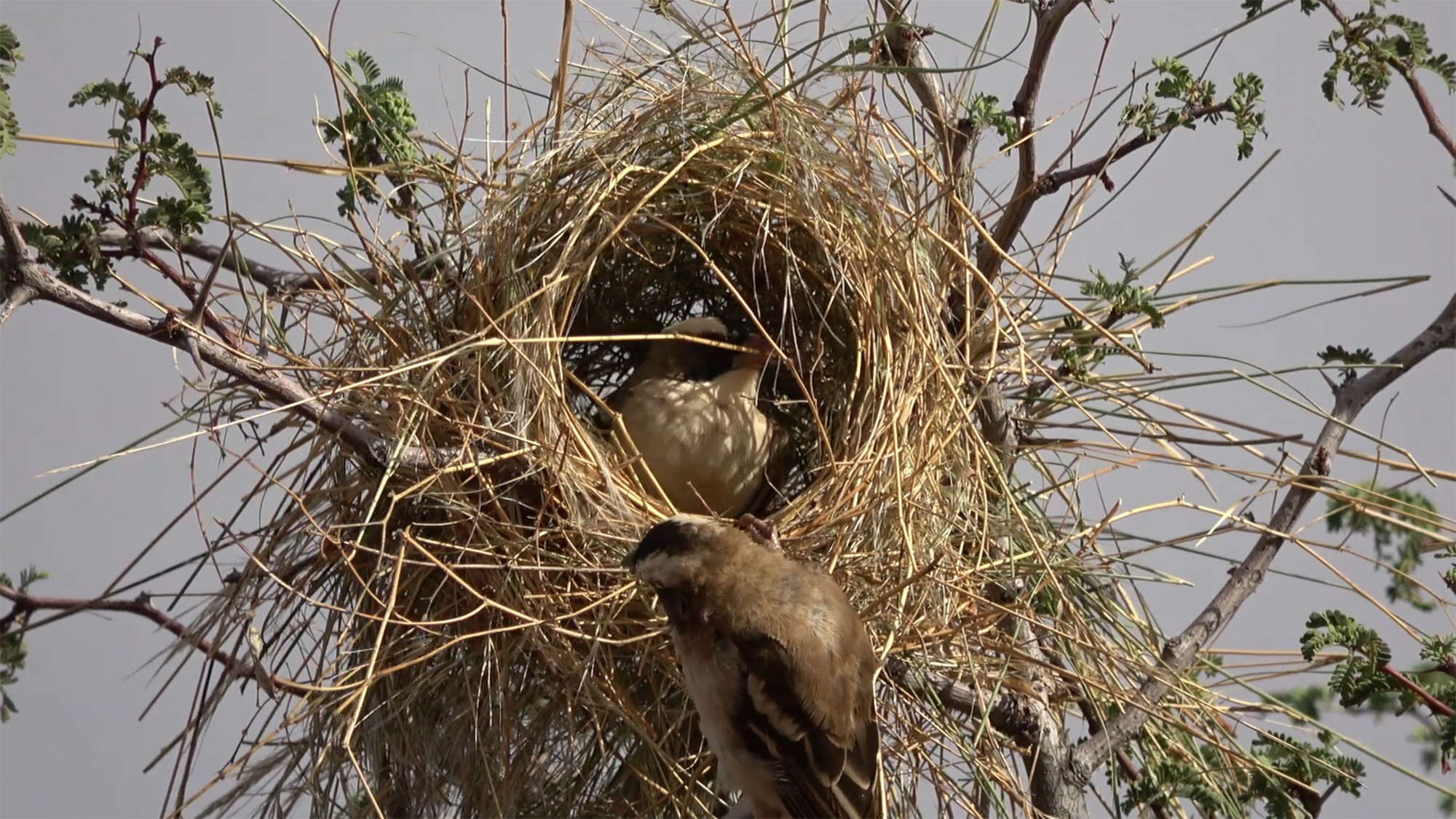
Still with research reported in Popular Science magazine, the social white-browed sparrow weavers varying nest shapes demonstrate that birds have “culture”. Mind I thought we already knew that from the dialects of Meso-American parrots.
Leaving the animal world for the geological, in September 2023 something made Earth ring like a bell for nine days. [LONG READ]
Back in the early life of the solar system, it seems that Jupiter’s moon Ganymede was struck by an asteroid bigger than the one which wiped out the dinosaurs.
While on brains, within the billions of neurons they contain there are trillions of typos – some good, some bad. [LONG READ]
And still on brains, it’s being suggested that many older people don’t just maintain, but actually increase, their cognitive skills. [££££]
And finally with things mental, a Stanford-led research group has identified six different types of depression each of which is likely to respond differently to various treatments. [LONG READ]
Sexuality
Sex historian Dr Kate Lister tries to explain exactly why women masturbate. [££££]
Loughborough has installed a new memorial bell as a tribute to those who died from Covid, and a thank you to NHS and other key workers. And unusually for the UK, it’s a campanile. We need more campaniles.
In which David Hockney stimulates an academic epidemiologist and mathematician to think about four dimensional chairs.
Philip Curtis, the director of The Map House in London, talks about mapping Antarctica.
History, Archaeology, Anthropology
We reported previously that Stonehenge’s altar stone had been identified as originating in NE Scotland. Now it seems that the front runner locations, Orkney, has been ruled out.
Our favourite London blogger, Diamond Geezer, visits Theobalds Grove (one stop outside Greater London). This is my home town; I was brought up just three minutes walk from this station! Needless to say it’s changed quite a bit since I last lived there in late 1970s.
I lived a couple of hundred yards down the road to the right of the church
Emma Beddington set out to see what it’s like to spend a day as a dog, and finds it impossible.
People
A German mathematician who lived in France as a hermit, left thousands of pages of work. Now there’s a debate over whether he was a mathematical genius or just a lonely madman. [LONG READ]
And now to tiny wings … scientists are doing all sorts of probes into honey and finding it can tell a huge story about the environment where it was created – it’s full of pollen, DNA, bacteria, and a lot of other junk. [££££]
Back to one of my favourite themes: wasps.
Each summer, wasps in the UK capture about 14 million kilogrammes of insects such as caterpillars and greenfly, making them important friends to gardeners.
First Prof. Seirian Sumner (aka. @waspprof) looks at why there are so few wasps around this year. (Spoiler: wet Spring.)
Secondly, yet another look at the importance of wasps as both predators and pollinators.
Tardigrades, those almost indestructible micro-creatures, that have been preserved in amber are revealing when they gained their indestructability. [££££]
Psychological research has a problem with reproducibility, and now there are indications that men may not be more attracted to scent of fertile women, after all.
Let’s explode another psychological stereotype … only children are no more self-centred, spoiled and lonely that those with siblings. [LONG READ] [££££]
As below, so above – maybe …
Astronomers have spotted a comet which is being kicked out of the solar system.
And NASA’s army of citizen scientists have spotted an object moving at an incredible 1 million miles per hour (that’s about 40 times round the Earth, an hour!).
Health, Medicine
It is becoming increasingly evident that Parkinson’s disease is related to the gut microbiome.
Would women be healthier and happier if they avoided the menopause and menstruated for ever? Researchers are divided.
Environment
What people classify as pests are only species of wildlife going about their lawful business and in the process encroaching on what we declare as human-only places (like houses).
One American environmentalist on the joy of harvesting greywater for his desert garden.
There are many, many big companies that we’ve never heard of, but who have a surprising grip on our lives – and failure of any one (like CrowdStrike did in July) could being the world to a halt.
Some really forensic research has worked out that Stonehenge’s massive Altar Stone came from north-east Scotland. And we thought that moving the bluestones from SW Wales was a feat too far!
Just a quick reminder that the original (ancient Greek) Olympic Games were entirely male and entirely nude.
Is it a fossil? Is it a meteorite? No it’s a meteor-wrong! [££££]
And finally for this section, we go from space to the ocean depths … Oceanographers think they’ve found an unexpected source of oxygen on the seafloor. [££££]
Health, Medicine
Yersinia pestis (aka. plague) is, as its name implies, a pest. And it keeps plaguing humanity.
One Anthropology Professor who studies how environmental stressors affect menstrual cycles (and a lot else) gives some scientific evidence as to why she personally hates tampons.
One researcher claims to have uncovered a late 16th-century secret dossier of Elizabeth I’s spy network. Clearly they’d never heard of Francis Walsingham!
Samuel Pepys, it turns out, isn’t just a diarist and government administrator on th make, but also a connoisseur of fashion.
And coming up to date … Shackleton’s ship Endurance, wrecked in the Antarctic, is to get added protection.
Lifestyle, Personal Development, Beliefs
If you’re one of the many lacking body confidence, here are some ideas which may help you attain it.
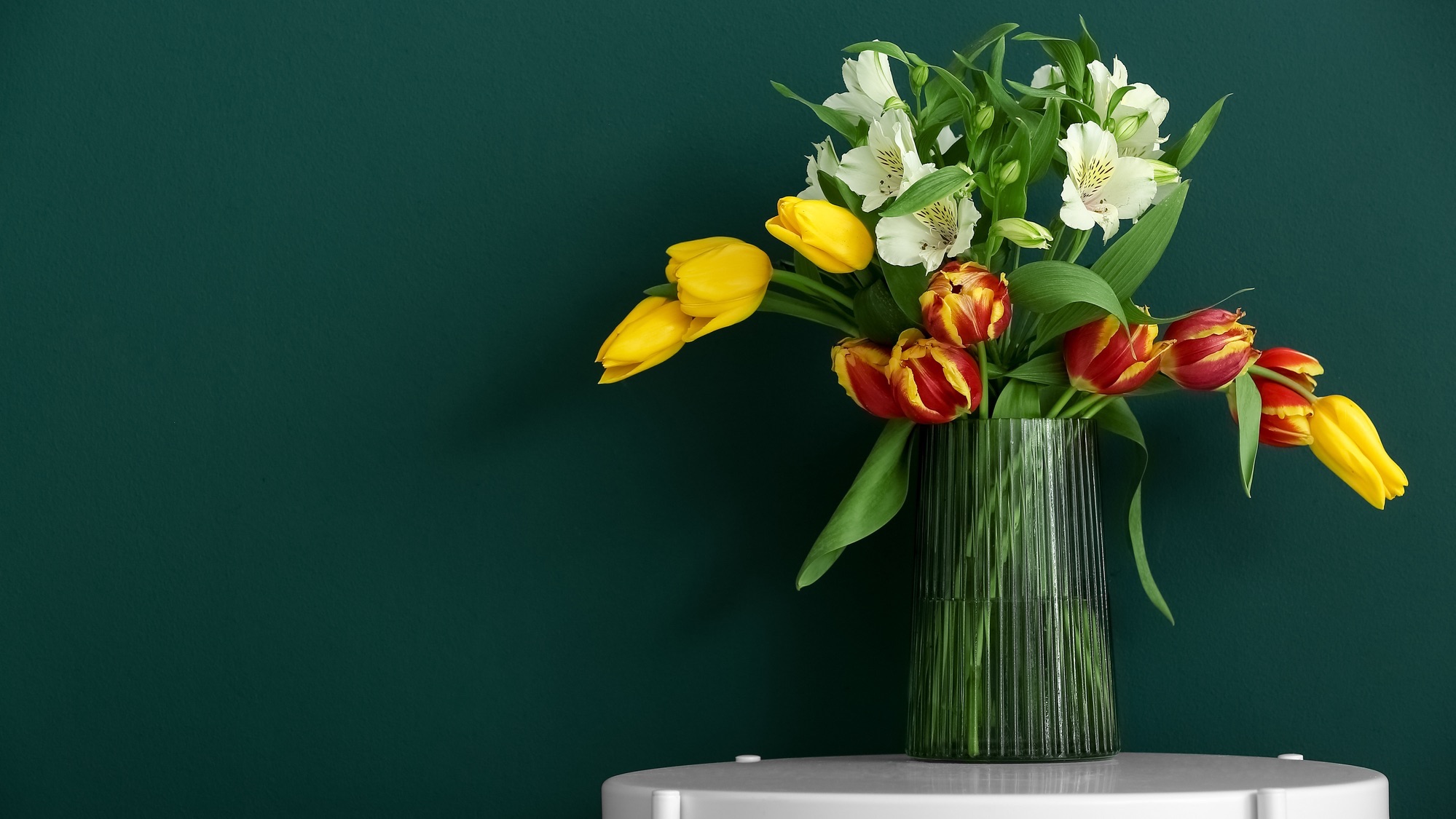
And here are some scientific tricks to keep your flower bouquets looking fresh for longer.
Shock, Horror, Humour, Wow!
And finally, something on Larry, Chief Mouser of Downing Street, and other political pets. But there’s no mention of Attlee, the current cat of Mr Speaker, Sir Lindsay Hoyle.
Here are the answers to this month’s five quiz questions. If in doubt, all should be able to be easily verified online.
Biology
How many legs does a lobster have? 10
How many species of elephant are there? Three species of elephants are recognised: the African bush elephant, the forest elephant, and the Asian elephant.
Francis Crick and James Watson made which discovery in 1953? Structure of DNA
Every cat has the same distinctive coat pattern. What is it? Tabby
What is the world’s most venomous fish? The Stonefish
Answers were correct when questions were compiled in late 2023.
Each month we’re posing five pub quiz style questions, with a different subject each month. As before, they’re not difficult, but it is unlikely everyone will know all the answers – so hopefully you’ll learn something new, as well as having a bit of fun.
Biology
How many legs does a lobster have?
How many species of elephant are there?
Francis Crick and James Watson made which discovery in 1953?
Every cat has the same distinctive coat pattern. What is it?
Hello, good heatwave and welcome, to this months collection of links to items you may have missed but didn’t know you didn’t want to.
Science, Technology, Natural World
Against all the odds the aging spacecraft Voyager 1 is back on air and communicating intelligibly with ground control. Two items on this from Live Science and Scientific American [££££].
There are currently lots of sunspots and we’re nearing the solar cycle maximum … so the sun’s magnetic field is about to flip.
The search for a planet beyond Pluto has been going on since I was a kid, although astronomers can’t even agree Planet Nine exists, nor what they’re actually looking for.
Even so Planet Nine is amongst eight strange objects which could be hiding in the outer solar system – maybe.
Here’s a BBC News item about the beavers which have been reintroduced less than a mile from my house.
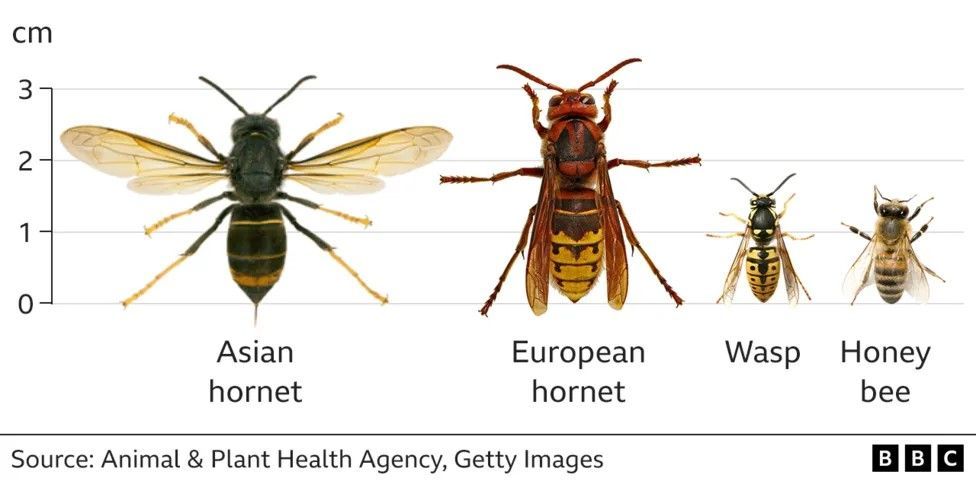
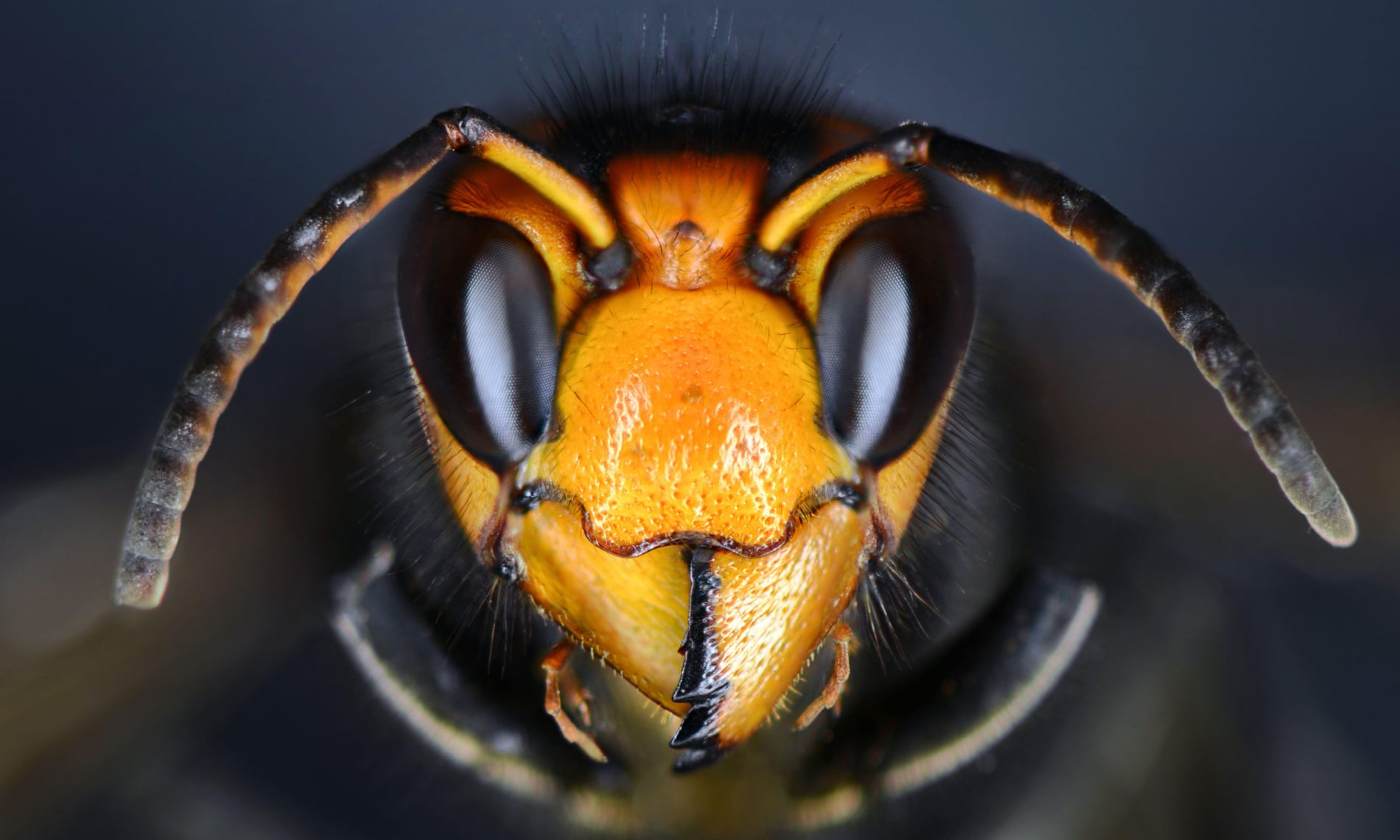
So it looks as if our invasive Asian Hornets have successfully overwintered here, although for some reason the government doesn’t see this as a huge problem!
They look like mini horseshoe crabs … some very rare, very ancient, three-eyed “dinosaur shrimps” (below) have suddenly emerged in Arizona.
How old is that termite mound? Researchers in South Africa have found 34,000-years-old termite mounds, beating the previously known oldest by 30,000 years!
Research is showing that our native wild orchids (not the tropical ones you buy in a supermarket) actually feed their seedlings through underground fungal connections. [££££]
In addition you may have more body parts that you should have!
You should pay attention to your nipples – and this applies you you guys too, not just the gals – as they can tell you things about your health.
A chemist and an epidemiologist take a look at the whys and wherefores of sunscreen.
Apparently 80% of people with sleep apnoea are undiagnosed. Here’s what to look for.
Finally in this section, the little known Oropouche virus is spreading rapidly in South America; although usually mild it can cause serious complications and could become a healthcare emergency.
A cancer diagnosis, or indeed any serious illness, can affect how we approach sex.
Environment
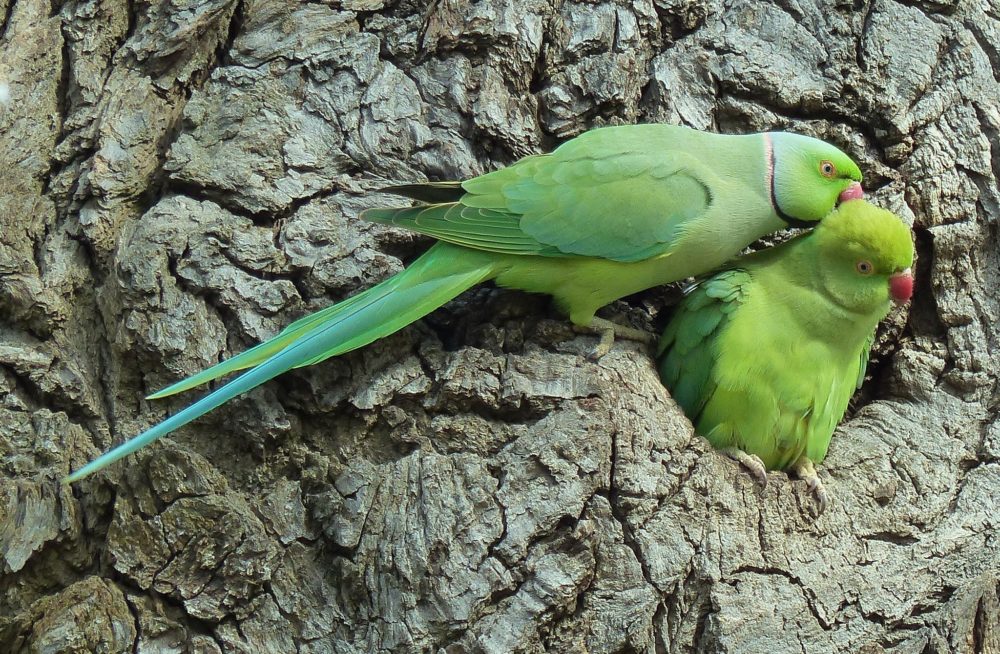
I’m used to seeing green parakeets in my west London garden – they’re noisy, they’re quarrelsome, but they’re colourful and often comic – so how did they actually get here from India?
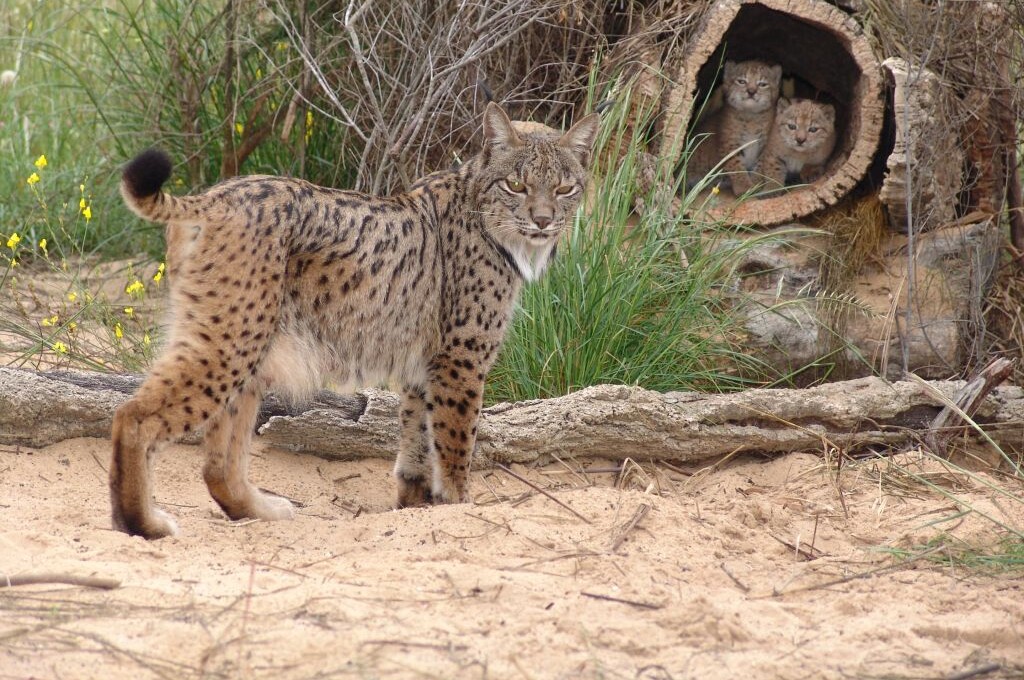
In good news, it seems that the Iberian Lynx, one of the world’s rarest cats, is recovering from near extinction.
Social Sciences, Business, Law, Politics
Kit Yates lays out why it is important for democracy that we have a numerate society.
Scientists have developed a method for making healthier, and more sustainable, chocolate by using the parts of the cocoa pod to replace loads of sugar. But they’ve not yet been able to commercialise it.
Lifestyle, Personal Development, Beliefs
So just what is it really like to live in Antarctica?
An 18th century CE ivory dildo complete with contrivance for simulating ejaculation and its own discreet cloth bag. Now housed at the Science Museum in London.
Some stupid tourists seem to think that wild animals are cuddlable and cute! Why?
And I’ll leave you this month with two things to try to get your head round …
First, Corey S Powell suggests that, like gravitational waves or ripples in a pond, we are just ripples of information in expanding outwards space-time. I see his point but I’m still trying to work out what it means.
There’s more news on the Yellow-legged Asian Hornet which is attempting to get established in the UK.
A BBC news story earlier this week reported that DNA testing had shown that the hornets had definitely survived a UK winter for the first time. Subsequently Defra blogged that “Whilst this is the first evidence of Asian hornets overwintering in the UK, it is not considered to be strong evidence of an established population”.
Hmmm. Well. Maybe. That sounds like a fairly technical position by Defra, and almost looks like hiding their head under their blanket. Having overwintered once they can easily do it again – and by that time they will have spread and there will be many more overwintering queens. It’ll take only one missed nest not destroyed in time and another mild winter. So it feels to me that they’re here to stay.
Despite their size, gorillas have extremely small penises, and it turns out that the genetic mutations which cause this may also help human male fertility.
Scientists have been investigating the vocalisations of sperm whales for years, and some now think that they may be the elements of a language, with dialects.
A new to Britain exotic jumping spider has been found in Cornwall, and it isn’t the only one.
And on the subject of foreign arrivals, the Guardian has a sensible and thoughtful piece about the invasive Asian Yellow-Legged Hornet (Vespa velutina) which has invaded continental Europe and is trying to get a foothold in the UK. [LONG READ]
Here’s the BBC article which triggered my recent blog post on these hornets.
STOP PRESS: The Asian Yellow-Legged Hornet has now been discovered in a southern state of USA (Georgia to be precise)!
Still with wasps … It seems that many parasitic wasps have tamed viruses so they can use them to help subdue their prey. [LONG READ]
From hornets to their forest home … there’s a theory that trees are social and communicate with each other across the “wood wide web” of fungal filaments. But it is only a theory and some are arguing it is fantasy. [LONG READ]
Treat with extreme care … Bloodroot (Sanguinaria canadensis) is quite a pretty American Spring flower. But don’t go messing with it as the roots contain a blood red alkaloid, sanguinarine, which will shut down and kill any cells it comes in contact with, and more.
Most of us guzzle diet drinks and other low calorie goodies, but research is now indicating that the sweeteners are actually harmful to our gut and its microbes.
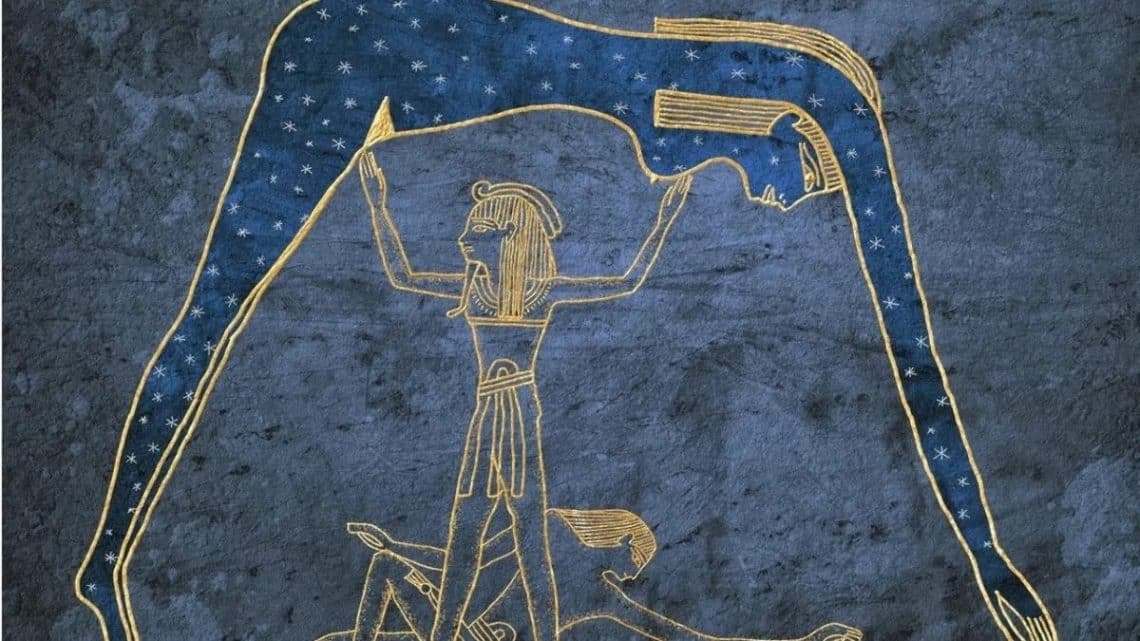
One astrophysicist has been exploring the connection between the Milk Way and Nut, the ancient Egyptian Sky Goddess.
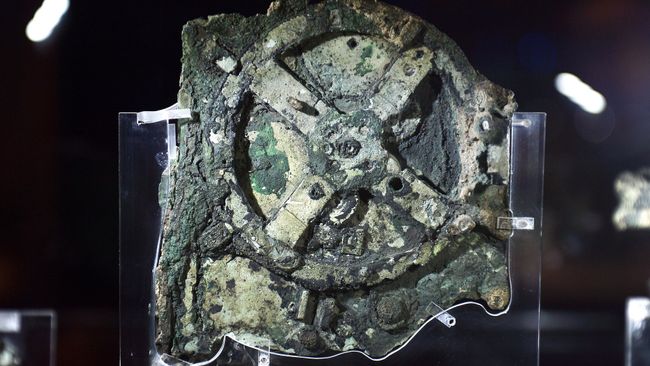
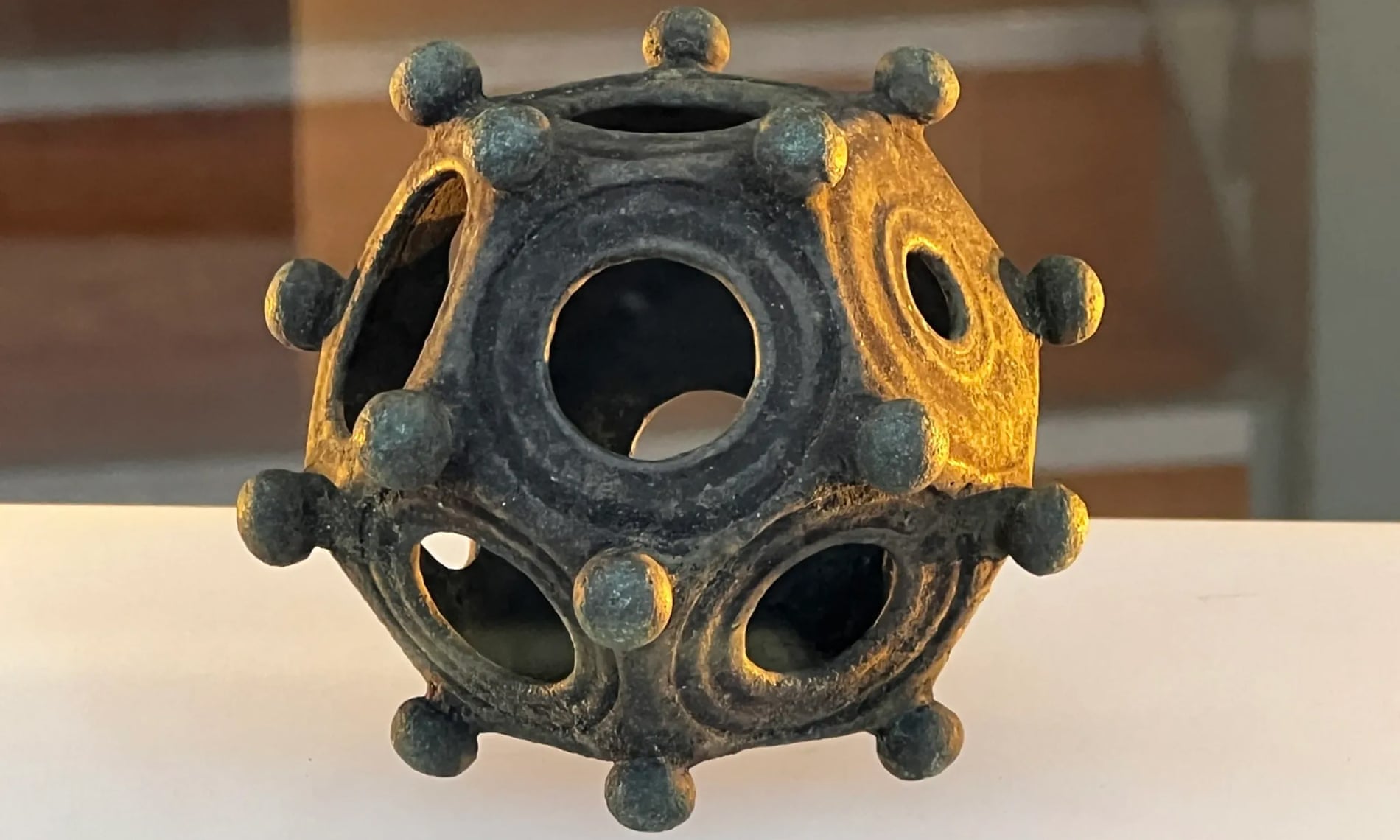
There’s a rare and very strange, apparently Roman, object (below) which was found at Norton Disney, Lincolnshire. The trouble is no-one knows what it is, or was used for, and there are a number of theories.
A 1,700-year-old Roman shipwreck found on the coast at Mallorca was loaded with fish sauce when it sank.
We know there was a thriving, early medieval Norse colony in Greenland, but why did it suddenly vanish in the 13th century?
Somehow we’ve almost got to the end of April, which means it’s time for our regular round up of links to items you may have missed. As well as the usual motley collection, we seem to have a lot of science-y stuff this month, so let’s get stuck in!
I bet you didn’t know that billions of years ago the moon turned inside out, well sort-of. I certainly didn’t.
It’s well established that Stonehenge is aligned with the sun, but is it also aligned with the moon? Archaeologists and astronomers are about to use a rare lunar event to find out.
And still on space, NASA scientists have seemingly done the impossible and managed to bring the Voyager 1 probe back to its senses. Two, slightly different, looks in the Guardian and on Live Science.
Meanwhile sex educator Dr Emily Nagoski talks to the BBC about sex and orgasm myths.
And coincidentally two women talk in the Guardian about their experiences of their unexpectedly open marriages. First Cassie Werber; and secondly New Yorker Molly Roden Winter. [BOTH ARE LONG READS]
Social Sciences, Business, Law, Politics
IanVisits reckons that according to an inoperative law we have the date of Easter all wrong.
Politicians in the UK fulminate about foreign courts having sway over our law, when in fact there are more foreign courts on UK soil pontificating on affairs elsewhere in the world.