Category Archives: history

May 1926

Our look at some of the significant happenings 100 years ago this month.


4. The United Kingdom general strike begins at midnight, in support of a strike by coal miners.

General Strike March

8. Birth. Sir David Attenborough, British broadcaster, naturalist, and producer

9. Explorer Richard E Byrd and co-pilot Floyd Bennett claim to be the first to fly over the North Pole in the Josephine Ford monoplane, taking off from Spitsbergen, Norway and returning 15 hours and 44 minutes later. Both men are immediately hailed as national heroes, though some experts have since been skeptical of the claim, believing the plane was unlikely to have covered the entire distance and back in such a short time. Byrd’s diary, discovered in 1996, suggests the plane actually turned back 150 miles short of the North Pole, due to an oil leak.

9. Death. JM Dent, British publisher (b.1849)

12. Roald Amundsen and his crew fly over the North Pole, in the airship Norge.

12. The United Kingdom general strike is called off by the trade unions, although miners remain on strike.

14. Birth. Eric Morecambe, English comedian, author (d.1984)

Monthly Links for April

As usual in this month’s collection of links, we’ll start with the hardest stuff …


Science, Technology, Natural World

Quite a lot of years ago, mathematicians worked out why waiting for a lift (elevator, for those in America) always takes forever. [££££]

How likely are you to be killed by a primordial black hole? [££££]

Whether you believe in astrology or not, your star sign is likely wrong, but you can find the correct one. [££££]

The Chernobyl exclusion zone has become a most unusual ecological experiments on Earth, leading to some unexpected results. [LONG READ]

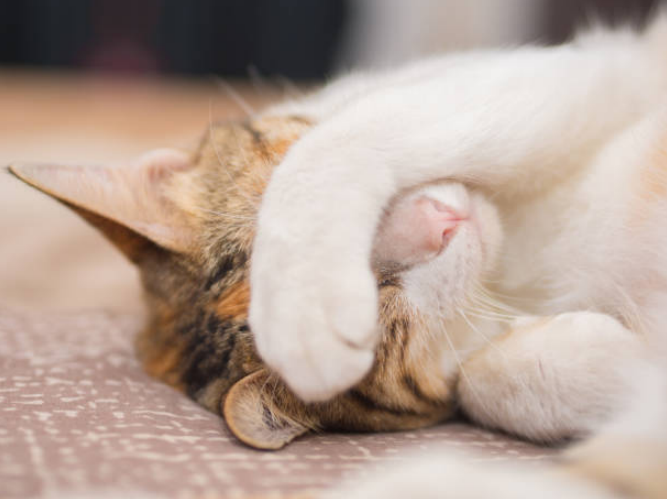
So why do cats get the Zoomies, especially late at night?


Health, Medicine

If you had cardiac arrest in public, would a stranger give you CPR?

Most men have two balls, but are three balls better?


Sexuality & Relationships

The Kamasutra is more than a sex manual, with consent as an underlying principle.

A 300+ year old sex manual that got pretty much all of it wrong.

Well who would have guessed? Human sperm get lost in space. [££££]

As if boob jobs weren’t enough, labiaplasty is a growing fashion. Why? Just why? [LONG READ]


Environment & Ecology

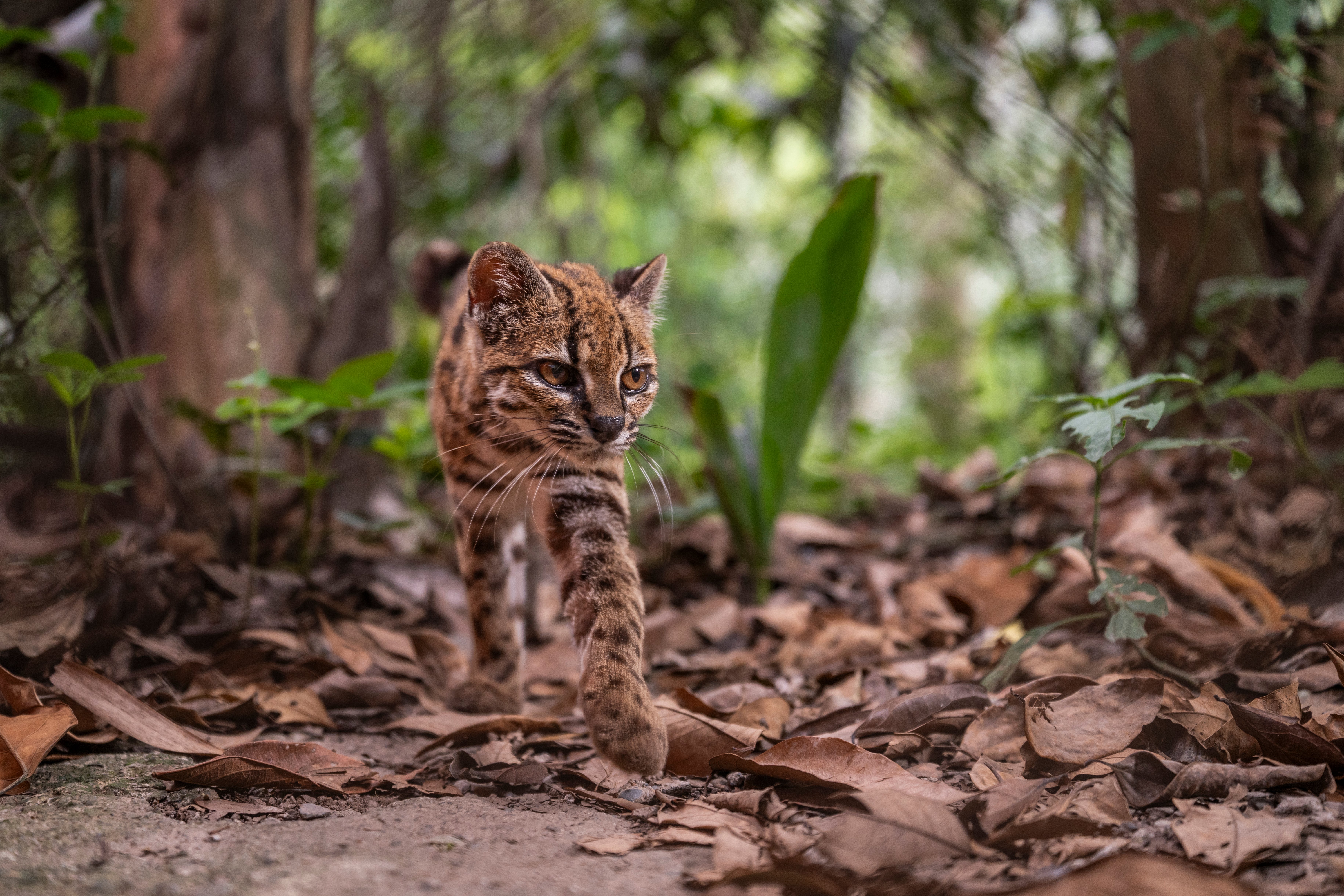
Jaguar (below) are becoming increasingly rare, so researchers were pleased to see one in a wildlife corridor in the Honduran mountains. [££££]


History, Archaeology, Anthropology

Archaeologists have discovered a variety of 12,000‑year‑old dice, and they illuminate ancient play.

The oldest known recipe for toothpaste comes from … Ancient Egypt.

So how many of the purported priest holes are actually what they’re said to be? [LONG READ]

Samuel Pepys was, in many ways, a very naughty man – even to the extent of concealing letters about being offered an enslaved boy as a bribe.


London

Matt Brown of Londonist has taken a look at the origins of some of the City of London’s street names.

Matt Brown is also creating a coloured version of John Rocque’s 1746 map of London. Here’s the latest section covering Chelsea and the King’s Road (above).

Meanwhile a researcher has been able to unravel the mysterious location of Shakespeare’s house in Blackfriars.

London Historians visits Benjamin Franklin’s London house.


Food, Drink

Here’s a quick look at some of the factors which produce the myriad types of tea.


Lifestyle, Personal Development, Beliefs

Humans have been documenting their appreciation of the nude body for thousands of years, and photography has made it much easier and more accessible.

The New Testament letters of Paul are not what they seem; many weren’t even written by him. [LONG READ]


Shock, Horror, Ha ha ha!

Finally, New Scientist considers the size of a “shedload“. [££££]


April 1926

Our look at some of the significant happenings 100 years ago this month.


1. Birth. Anne McCaffrey, American-born Irish author (d.2011)

2. Birth. Jack Brabham, Australian racing driver (d.2014)

3. Birth. Gus Grissom, American astronaut (d.1967)

6. Birth. Ian Paisley, Northern Irish politician (d.2014)

7. An assassination attempt against Italian Fascist leader Benito Mussolini fails.

9. Birth. Hugh Hefner, American founder of Playboy magazine (d.2017)

Hugh Hefner and blonde

21. Birth. Queen Elizabeth II of the United Kingdom (d.2022)

30. A state of emergency is proclaimed in the United Kingdom under the Emergency Powers Act 1920 on account of the “threat of cessation of work in Coal Mines”.

Monthly Links for March

Herewith my collection of links to items you may have missed, but didn’t want to. Again this month we have quite a few science and medicine articles, and not so much on the arts – well it all depends on what’s published and looks interesting.


Science, Technology, Natural World

Now tell me … would aliens do physics, and do it the way we do? [££££] [LONG READ]

Beyond which, could aliens in another galaxy see dinosaurs on Earth? [££££]

So what is time? Is it just a figment of our imaginations?

A researcher has found Galileo’s handwritten notes in old astronomy text.

The Eye of the Sahara. They think it’s a circle and it shouldn’t be there. [LONG READ]

On the dying art of taxonomy and a love of midges.

In Papua New Guinea scientists have found a tiny possum and a glider which were thought extinct for 6,000 years.

Staying with discoveries, scientists have found three unknown geckos, and a lot else too, in Cambodia’s limestone caves.

And still with new discoveries, some other scientists have found lots of strange new species (example below) deep off the coast of Britain’s Caribbean islands.

Back on dry land apparently hedgehogs can hear very high frequency ultrasound.

Apparently cacti could help explain one of the oddities of evolution.

And finally in this section, an immunologist takes a hard look at the science behind the paraben panic.


Health, Medicine

Which brings us to the messier bits of the scientific arena …

We all have skin mites, but should we worry? Are they a health issue or harmless passengers?

Why do some people (like me) suffer from motion sickness, while others don’t.

What does body odour actually say about you?

Have you ever noticed that you breathe out of one nostril at a time. And have you ever stopped to wonder why?

Researchers have a suspicion that a previously unknown virus, hiding in a bacterium, may be a trigger for colorectal cancer.

And still wth gut bacteria, apparently couples share 30% of their gut bacteria. [I’m surprised it is so little – K]


Sexuality & Relationships

NSFW. So what does science tell us about why breasts send males wild? [LONG READ]

Remaining with female anatomy for a minute, apparently the clitoris has migrated from the inside (in most species) to the outside (in humans).

And so to male anatomy … with a look at the history of male member. [LONG READ]

The myths, misconceptions and realities of how porn shapes sexual health.

NSFW. Against which the evolution of erotic literature looks fairly tame.


Environment & Ecology

For once some good news: the Large Tortoiseshell butterfly (above) is no longer extinct in UK

It’s definitely counterintuitive, but when the human population fell during the Black Death, plant diversity dropped as well.


Social Sciences, Business, Law, Politics

The UK is considering putting native fauna on its banknotes, so some experts have a say.


Art, Literature, Language, Music

Here’s an interesting interview with Ruth Scurr who wrote a biography of 17th century antiquarian John Aubrey (below).

Apparently our least favourite word is all about womb wisdom.

NSFW. A look at art and the vulva. [LOMG READ]


History, Archaeology, Anthropology

The theory of the population of the Americas has again been turned on its head by an archaeological site in Chile.

King Harold’s movement of troops from the NE to fight the Battle of Hastings … was it (as has been assumed) the most heroic march ever, or did everyone travel by boat?


London

Matt Brown takes a look at some of the interesting and varied historical models of London. [LONG READ]

And I’ll leave you this month with Matt Brown looking at bovine influences on London. [LONG READ]


March 1926

Our look at some of the significant happenings 100 years ago this month.


6. Birth. Alan Greenspan, American economist, Federal Reserve Chairman

16. Robert H Goddard launches the first liquid-fuel rocket, at Auburn, Massachusetts .

23. Éamon de Valera organises the political party Fianna Fáil in Ireland.

31. Birth. John Fowles, English writer (d.2005)

John Fowles

Monthly Links for February

Our monthly collection of links to items you may have missed.


Science, Technology, Natural World

How could we even know what came before the Big Bang? [LONG READ] [££££]

Which brings us on to some misconceptions about the universe.

At the other end of the unknowable, there’s growing evidence that some giant “Blobs” of rock have influenced Earth’s magnetic field for millions of years.

Compared with which it seems tame that researchers having managed to isolate antibiotic-resistant ancient bacteria from 5000-year-old ice.

So we’re gradually going down in size to take a look at the jam-packed nature of cells.

Meanwhile our favourite drug chemist, Derek Lowe, takes a look at the parlous state of scientific research literature.


Health, Medicine

A surgeon looks at the protection afforded by bone and hormone health.

Trigger warning … the rare condition that produces a calcified foetus.

It is totally normal for our skin to be home to countless mites.

Was the 1889 “flu” pandemic actually a coronavirus?


Sexuality & Relationships

Why do women Lose interest in sex? On the causes of low libido.

Scientific American takes a long, hard and rational look at the workings of polyamory. [££££] [LONG READ]

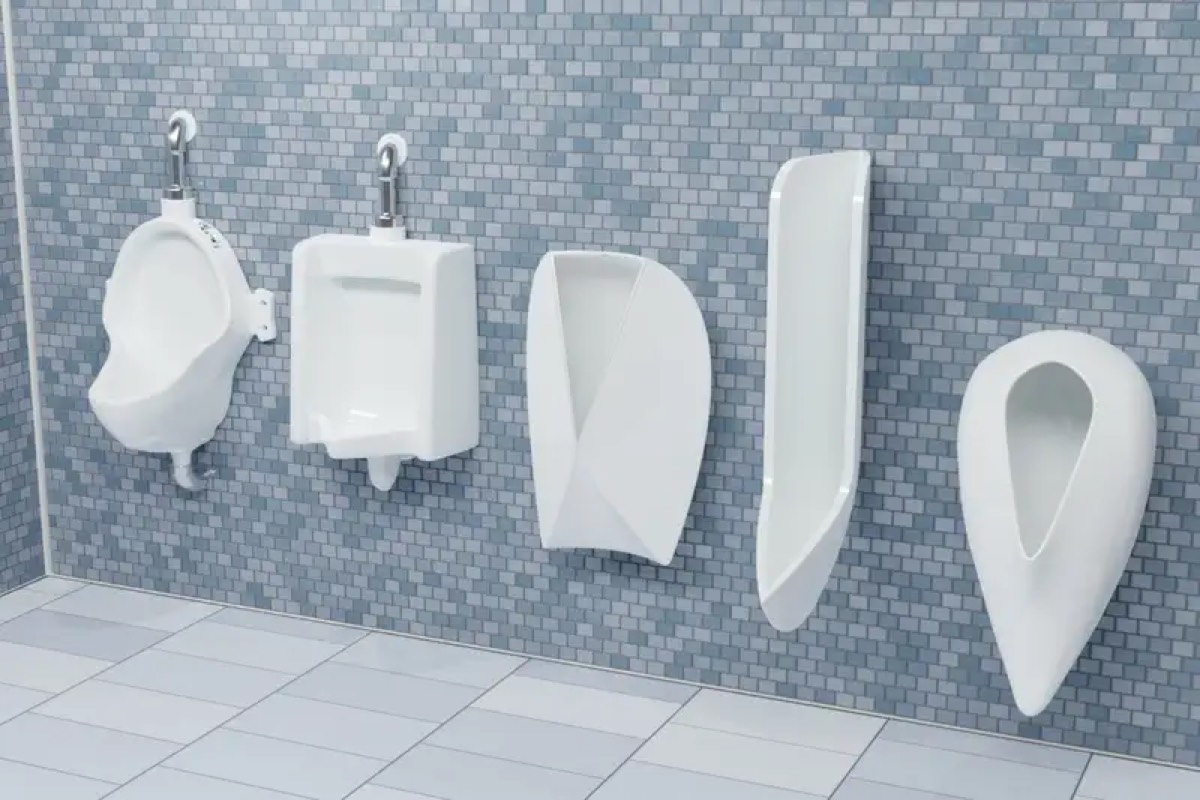
NSFW … Just when did penis size become important in Japan?


History, Archaeology, Anthropology

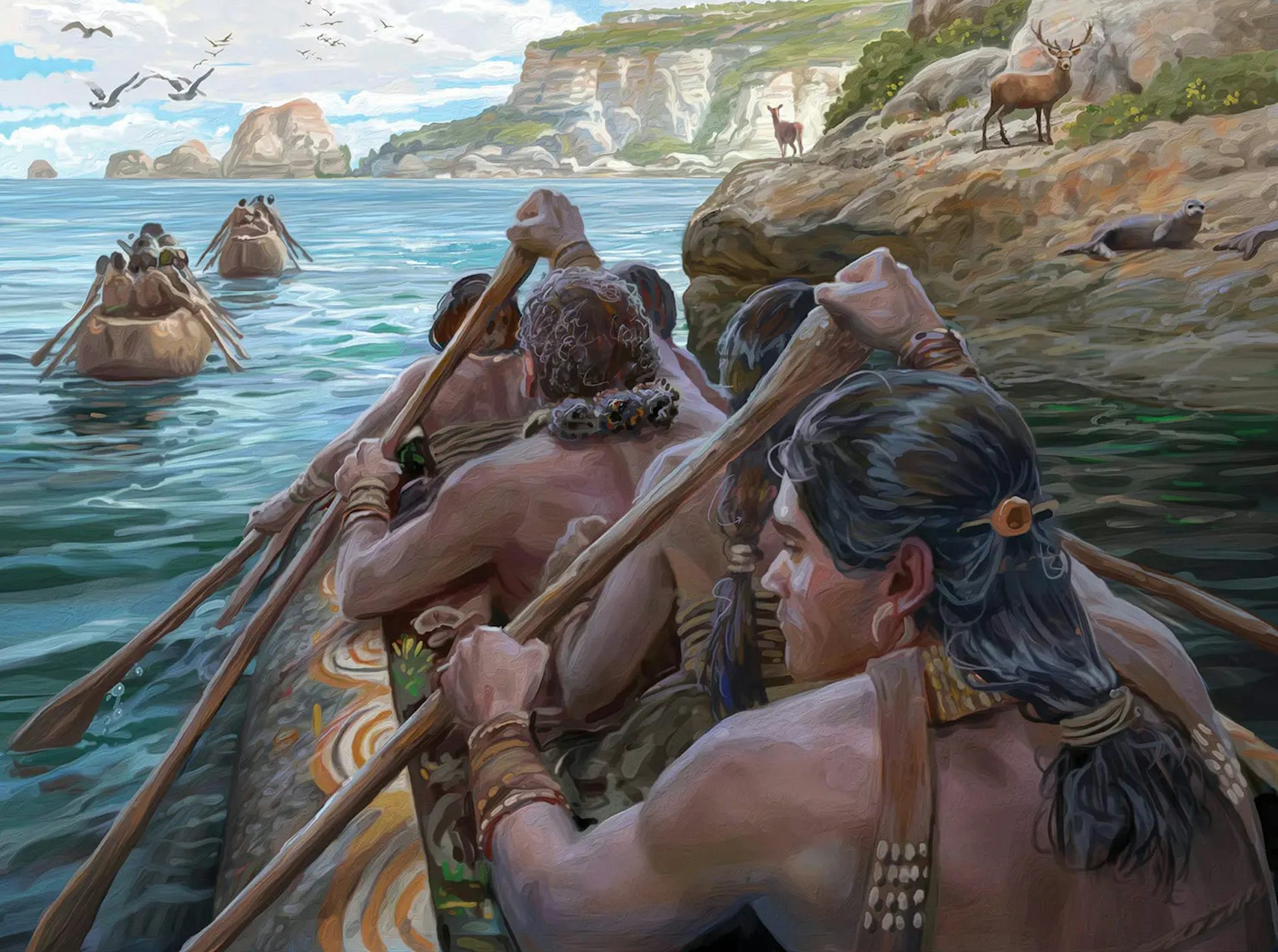
It is becoming increasingly apparent that ancient humans were seafaring far earlier than we thought. [££££] [LONG READ]

The rules of mysterious ancient Roman board game have supposedly been worked out by AI. [££££]

Early medieval swords found in child graves in Kent suggest they were not just weapons.

Another pandemic item … it seems a mass grave in Jordan is providing new light on our earliest recorded pandemic, the Plaque of Justinian.

Our notions of foul drinking water in the Middle Ages are far from accurate.

We hear of heralds, on and off, throughout European history, but what do heralds actually do?


London

Matt Brown is back having coloured another section of John Roque’s 1746 map of London. This time Victoria and Pimlico. And he follows this up with a look at the very soggy state of Pimlico.

Underneath South Kensington (aka. Albertopolis) there’s a subterranean passage.

Back above ground Matt Brown (again) has a bit of fun with London’s street signs, and Katie Wignall goes looking for some of the city’s oldest street signs.


Lifestyle, Personal Development, Beliefs

A psychologist offers some ideas for staying positive when it never stops raining.

Well it was news to me but it seems there’s a new trend for showering in the dark before bed. Whether or not there’s any scientific justification, I think I’ll pass – thank you.

And finally … By way of puffing her new book, Karin Celestine asks “What is in your pockets?

Image: Karin Celestine

February 1926

Our look at some of the significant happenings 100 years ago this month.


1. Death. Theodosius of Skopje, Bulgaria Orthodox religious leader and saint (b.1846)

2. Birth. Valéry Giscard d’Estaing, President of France (d.2020)

9. Birth. Garret FitzGerald, Irish lawyer, politician, and 7th Taoiseach of Ireland (d.2011)

10. Birth. Danny Blanchflower, Northern Irish footballer, football manager (d.1993)

11. Birth. Paul Bocuse, French chef (d.2018)

14. Death. John Jacob Bausch, German-born American optician, co-founder of Bausch & Lomb (b.1830)

16. Birth. John Schlesinger, British film director (d.2003)

22. Birth. Kenneth Williams, English actor (d.1988)

Kenneth Williams

25. Francisco Franco becomes General in Spain.

Monthly Links

And they’re off … with the first collection for 2026 of monthly links to items you may have missed. This is a short edition (mainly due to the holidays) but it is full of curiosities. As always we start with the hardest stuff …


Science, Technology, Natural World

Let’s start with a really interesting curiosity. A woman who was murdered in China has been found to have varying proportions of male and female cells throughout her body, due to an exceedingly rare form of chimerism. [££££]

Still on curiosities, there’s a fungus (above) in China, and a few other places, which if eaten when not fully cooked causes people to hallucinate dozens of tiny humans – and reliably only this hallucination!

How many holes does the human body have? It’s really all a question of topology and how you define a hole.

Hallucigenia (below) was such an odd animal that we know very little about it, but researchers are beginning to understand what it ate. [££££]

OK, so now let’s think about the sex life of plants, because it is a lot more complicated than we imagine.

And now the land itself … Scientists have now managed to map, in detail, the landscape of Antarctica beneath the ice.


Health, Medicine

The Covid-19 pandemic has left a hidden toll of millions of undiagnosed chronic conditions.

Next up we have two pieces on the curiosity which is synaesthesia:
First a young lady with time-space synaesthesia on how it affects her experience of events like new year.
Secondly, a pair of twins talk about what it’s like to also have the same synaesthesia.

And in an attempt to cap that, here’s a brief piece on the wild history of the hymen.


Environment & Ecology

The iconic green rose-ringed parakeets (below) a have been spreading across the UK since their escape 50+ years ago; and they’re now causing concern in some quarters (although personally I like having them around).

There are naturally stingless bees in the Amazon, and they’ve now been granted legal rights in parts of Peru.


Social Sciences, Business, Law, Politics

The interesting story of when the United Kingdom annexed an island in the North Atlantic.


Art, Literature, Language, Music

A look at the curious etymology of OK.


History, Archaeology, Anthropology

Archaeologists have made an absolutely stunning find of an iron age war trumpet (modern French reproduction carnyx below) and a boar’s head standard, with possible links to Boudicca.

In another major find, archaeologists have unearthed a hoard of Saxon coins which appear to have been buried on just before the Battle Hastings in 1066.


London

Not a lot of people know that there’s a medieval hall in Holborn.

Matt Brown investigates whether AI is any good at making maps of London. Spoiler: it isn’t.

But finally we don’t need AI as Matt Brown has released the latest panel in his project to colour John Rocque’s 1746 map of London: when Marylebone was all fields


January Quiz Answers

Here are the answers to this month’s six quiz questions. If in doubt, all should be able to be easily verified online.

General Knowledge

  1. The numbers on the opposite sides of a six-sided die always add up to what number? Seven
  2. What was the name of the world’s first artificial satellite? Sputnik 1
  3. In what year did cosmonaut Yuri Gagarin reach space? 1961
  4. Where did backgammon originate? Persia
  5. What is England’s official national sport? Cricket
  6. Since the 1970s in which country has it been a tradition to eat fried chicken from KFC on Christmas Day? Japan

Answers were correct when questions were compiled in late 2025.

January 1926

Our look at some of the significant happenings 100 years ago this month.


13. Birth. Michael Bond, English fiction writer, creator of Paddington Bear (d.2017)

16. A British Broadcasting Company radio play by Ronald Knox about workers’ revolution in London causes a panic among those who have not heard the preliminary announcement that it is a satire on broadcasting.

Early BBC logo

26. Scottish inventor John Logie Baird demonstrates a mechanical television system at his London laboratory for members of the Royal Institution and a reporter from The Times.

29. Birth. Abdus Salam, Pakistani physicist and Nobel laureate (d.1996)