Tag Archives: medicine

Monthly Links for August

We’re at the end of August already, and even my young optician was being concerned about the speed with which the year was disappearing. Anyway here’s episode eight of this year’s monthly links to items you didn’t know you’d missed. As always we start with the heavy stuff …


Science, Technology, Natural World

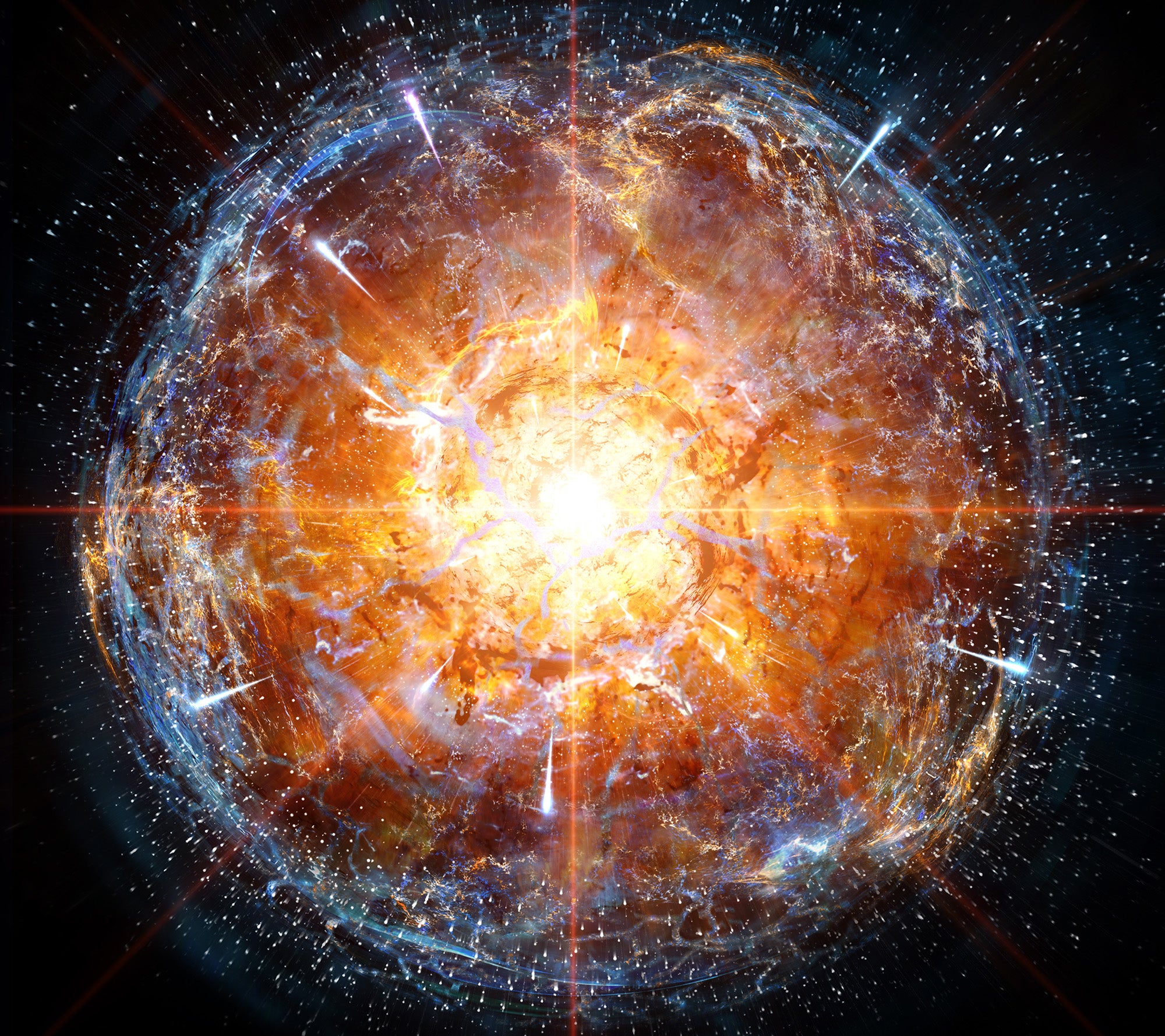
Astronomers think they’ve discovered a black hole “star”, which would be a new kind of cosmic object.

The venerable Voyager 2 spacecraft, which is now outside the solar system, has done a very risky manoeuvre to save power and keep it working for anther couple of years. [££££]

Down on Earth there are safety concerns as scientists have made the first AI designed viruses.

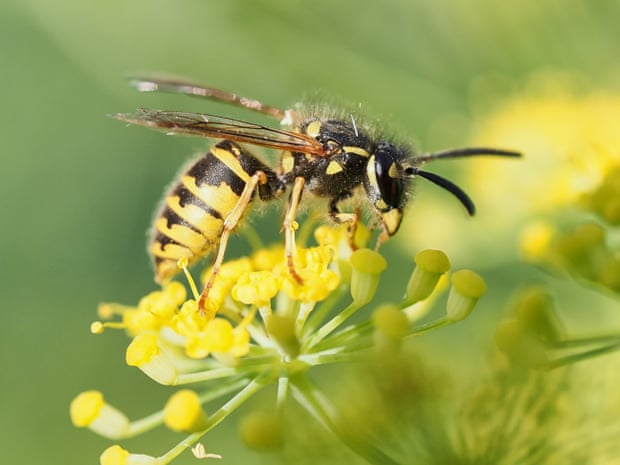
Another concern, at least for ecologists, is where all the wasps have gone this summer.

While we’re on invertebrates, here are half a dozen somewhat surprising facts about them.

Larry the Cat has recently welcomed yet another new Prime Minister to Downing Street, but how do pets adapt to change?

Why do sleeping cats so often cover their eyes with a paw?

It was 388 years ago that Galileo worked out that physics means that human giants can’t exist. [££££]

Kew Gardens is about to start renovation of the iconic Palm House, but that means many plants have to be moved, and some even sacrificed.


Health, Medicine

Why do heatwaves hit women harder than men?

Research sems to be suggesting that in the final five minutes before death something odd happens with consciousness. [LONG READ]


Sexuality & Relationships

An essay on the importance of the foreskin. [LONG READ]

[NSFW] On the need for females to be fucked for bodily serenity.


Environment & Ecology

On the environmental effects of humans on trees.


History, Archaeology, Anthropology

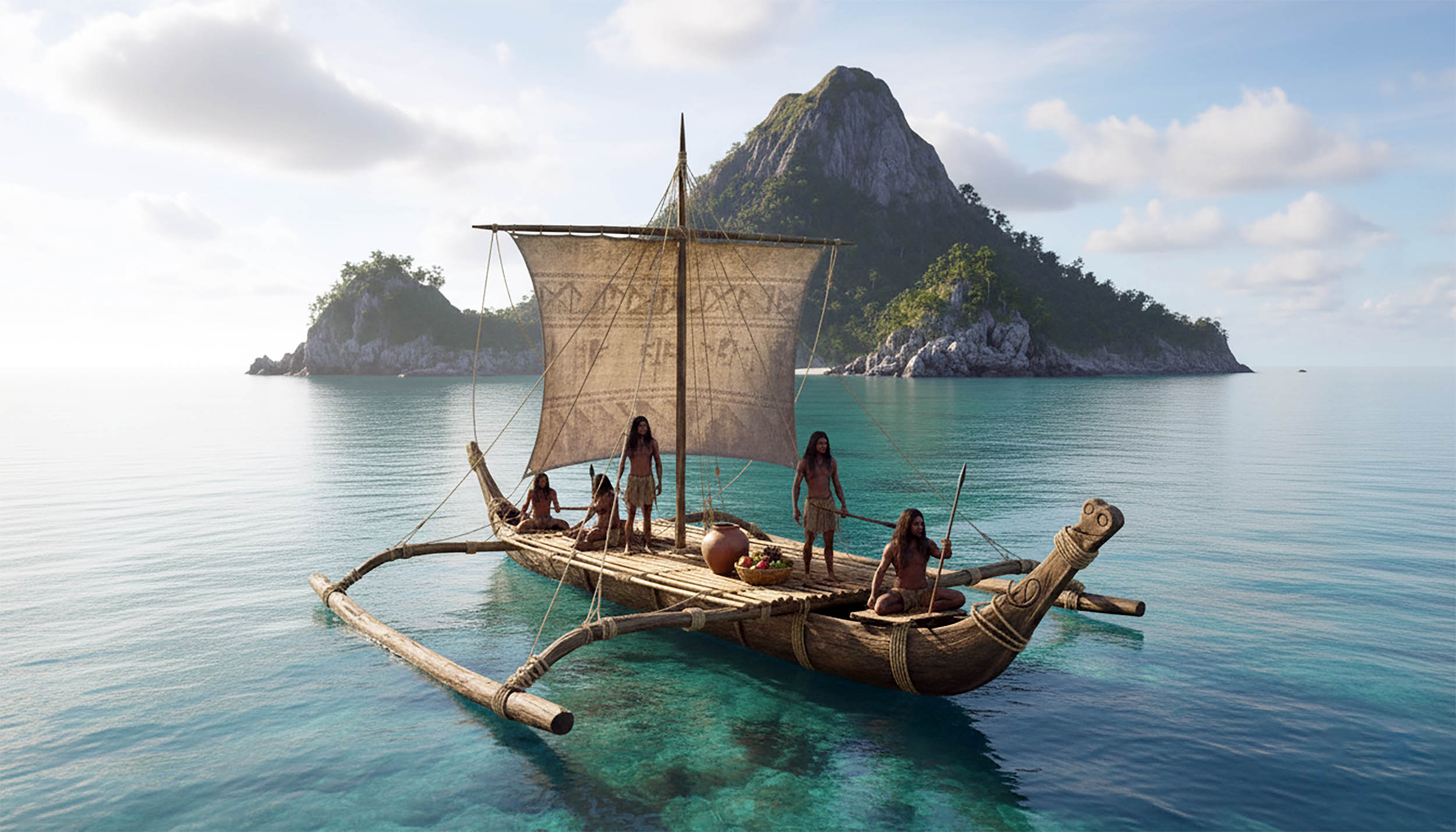
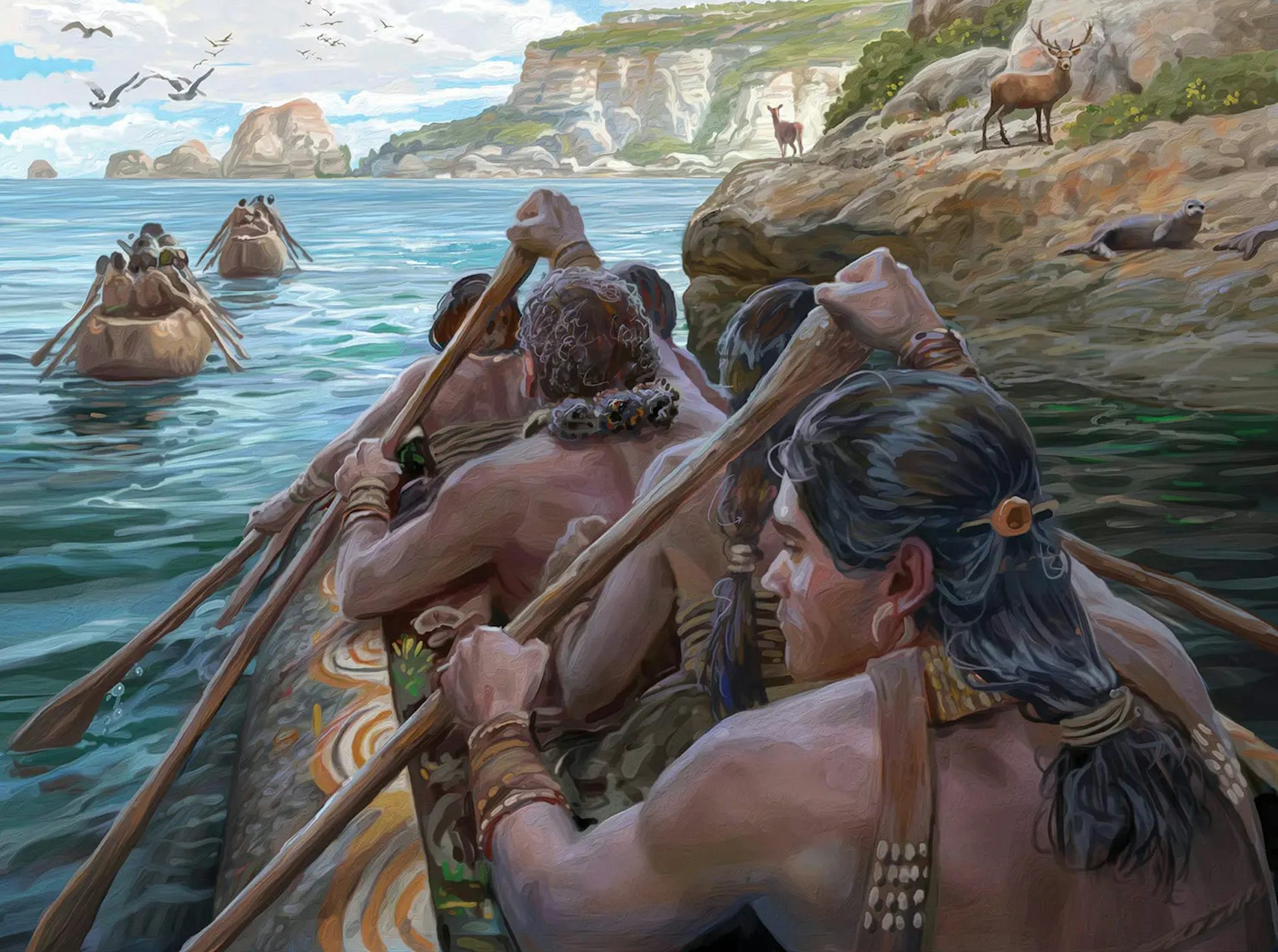
Research is showing that long before any evidence of sails European stone age hunter-gatherers made sea voyages to Malta.
Another Ancient Roman shipwreck has been discovered off the coast of Sicily – and its fully laden with amphorae.

While on the ancient world, here’s a look at the mysteries surrounding the Antikythera Mechanism. And the author, Isa Grant, has taken a logical look at many unsolved mysteries, so dig around in her Substack.

Many researchers believe that ancient Pictish symbols are actually names, but this is unlikely.

Medievals had a fixation on female pubic anatomy.

Mummified bodies found in Chile have revealed a lost lineage of smallpox. [££££]


London

Here’s a quick look at half a dozen London places associated with Samuel Pepys.

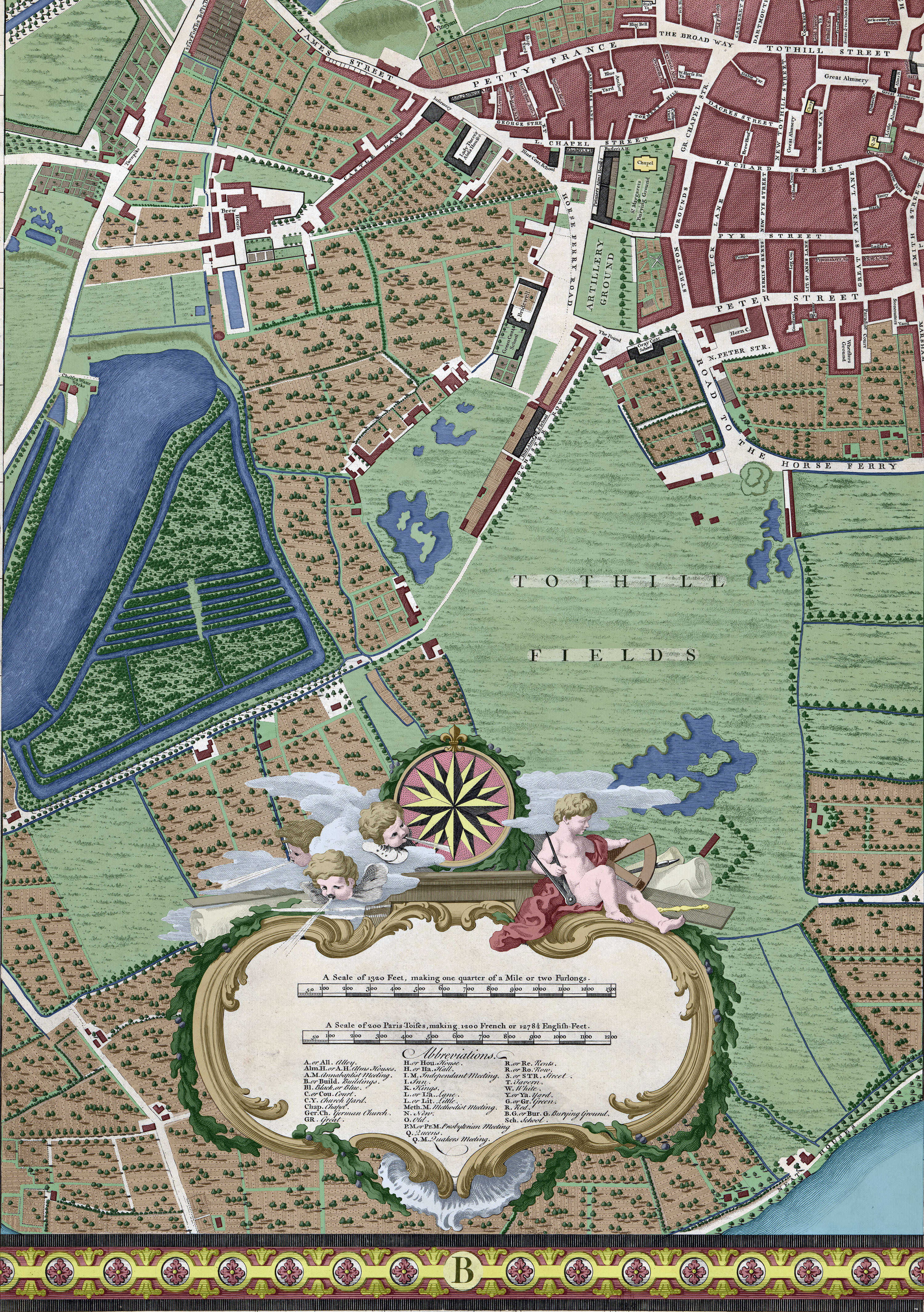
The latest instalment of Matt Brown’s coloured rendition of John Rocque’s 1746 map of London is out on the edge of the East End.


Lifestyle, Personal Development, Beliefs

Nobody will admit to having far right beliefs these days, but here’s a checklist to allow you to determine if they really are.

On being more than an attractive photograph, because there’s life behind the frame.

On designing and wearing female attire without the need for underwear.

And finally … a look at the bizarre world of banning pop songs for profanity and what gets missed. [LONG READ]


Monthly Links

You really didn’t want to have missed these items …


Science, Technology, Natural World

The latest estimates are that Earth is home to around 20 million species of insect – that’s way more than was previously thought. [££££]

It’s interesting how non-native parrots thrive in cities – and largely don’t compete with native species. [LONG READ]

London’s Kew Gardens has digitised its 7 million plant specimens. [££££]

Here are some surprising facts about aquatic flora, including that seaweeds are not plants!

So what is it that makes about 10% of people left-handed?

Venezuela recently suffered a double earthquake, but why did so many buildings collapse?

Trust the Swiss! They’re pioneering putting solar panels between railway tracks as another way to generate electricity without using too much land for solar panels.

Now away from Earth … astronomers have detected “raspberry sugar” in a dust cloud in our Milky Way galaxy.


Health, Medicine

Drug chemist Derek Lowe looks at the very high failure rate of new drug candidates over the last 50-60 years.

I bet you didn’t know that hospitals routinely use antimatter! [LONG READ]

One academic writes about what it is like inside the UK’s top secret chemical weapons laboratory at Porton Down. [LONG READ]

There’s a new catalogue of viruses revealing which pose the greatest threats.

So now for some real, and scary, surgery: Irish surgeons have been able to remove a brain tumour through an eyelid!


Sexuality & Relationships

OK, boys, understand this … your ejaculate is not a waste product

Is it acceptable to state a preference over your partner’s pubic hair?


Art, Literature, Language, Music

Here’s an article on iconic and revolutionary Japanese photographer Nobuyoshi Araki (above).


History, Archaeology, Anthropology

Archaeologists have at last managed to decipher 4000-year-old Linear Elamite from ancient Iran.

Back at home in the UK, archaeologists continue to rewrite what we thought we knew about Stonehenge.

An entire Byzantine town has been found in Egypt’s Western Desert

Back at home again, medieval football could end up getting you killed.

And now the story of the 17th-century siege of Basing House. [LONG READ]


London

And at last we journey to London to hear the story of Westminster Cathedral. [LONG READ]


Lifestyle, Personal Development, Beliefs

Here’ are some thoughts about the human body and why for some naturism feels right.

And then here are some thoughts on sleeping naked. [LONG READ]
And finally I’ll leave you with a look at some of the world’s strangest nude traditions.


Monthly Links for June

So here we are with this month’s bumper bundle of links to items you didn’t know you shouldn’t have missed.


Science, Technology, Natural World

As usual let’s start at the bottom … Really, just how many elementary particles are there? Pick a number! [LONG READ]

At the other extremes … Space is unimaginably bigger than you think.

And if your brain wasn’t fried enough already, there’s a suggestion that light is the shadow of a dimension we can’t see.

Now to the relatively mundane … for a long time scientists have been trying to understand the mysterious creatures of the deep oceans. [LONG READ]

Which just shows we really do not understand biology … There are some mysterious blobs in cells – even after 100 years scientists are only now beginning to understand what they are and their importance for life. [££££]

How do societies survive power struggles? Ask the wasps.

So why do cats sit in that “loaf position“?

From cats to dogs … scientists have recently discovered the rare and elusive Amazonian Short-Eared Dog in the forests of Bolivia and Peru.

Good grief! Japan’s 2011 “Fukushima” earthquake was so powerful it moved the location of the whole of Japan! [££££}


Health, Medicine

Well, yes … we could indeed at this moment be living through a hantavirus pandemic, but thanks to a lot of quick action by many countries we have avoided it. Which is exactly how public health should work.

What does body odour tell us, and why do we care about it so much?

Here’s (yet another) look at the health and history of pubic hair. [LONG READ]

Meanwhile here’s a look at sunscreen, what it is and how it works. [LONG READ]


Sexuality & Relationships

A cultural look at various aspects of the vagina.

Followed by the new craze of the Vaginus Maximus.

Now here’s an interesting one … an only slightly surprising suggestion of Viagra for women. Read the follow-on articles too. [LONG READ]

And then there’s a look at sexual burnout and bridging the resulting intimacy gaps.

[Images very NSFW] It’s the rarity factor! A look at why we’re biologically wired to desire redheads.


History, Archaeology, Anthropology

A select group of researcher are allowed access to Spain’s amazing cave paintings and one lucky writer gets a personal tour. [LONG READ]

Archaeologists believe they have discovered a simpler, and older, version of Stonehenge.

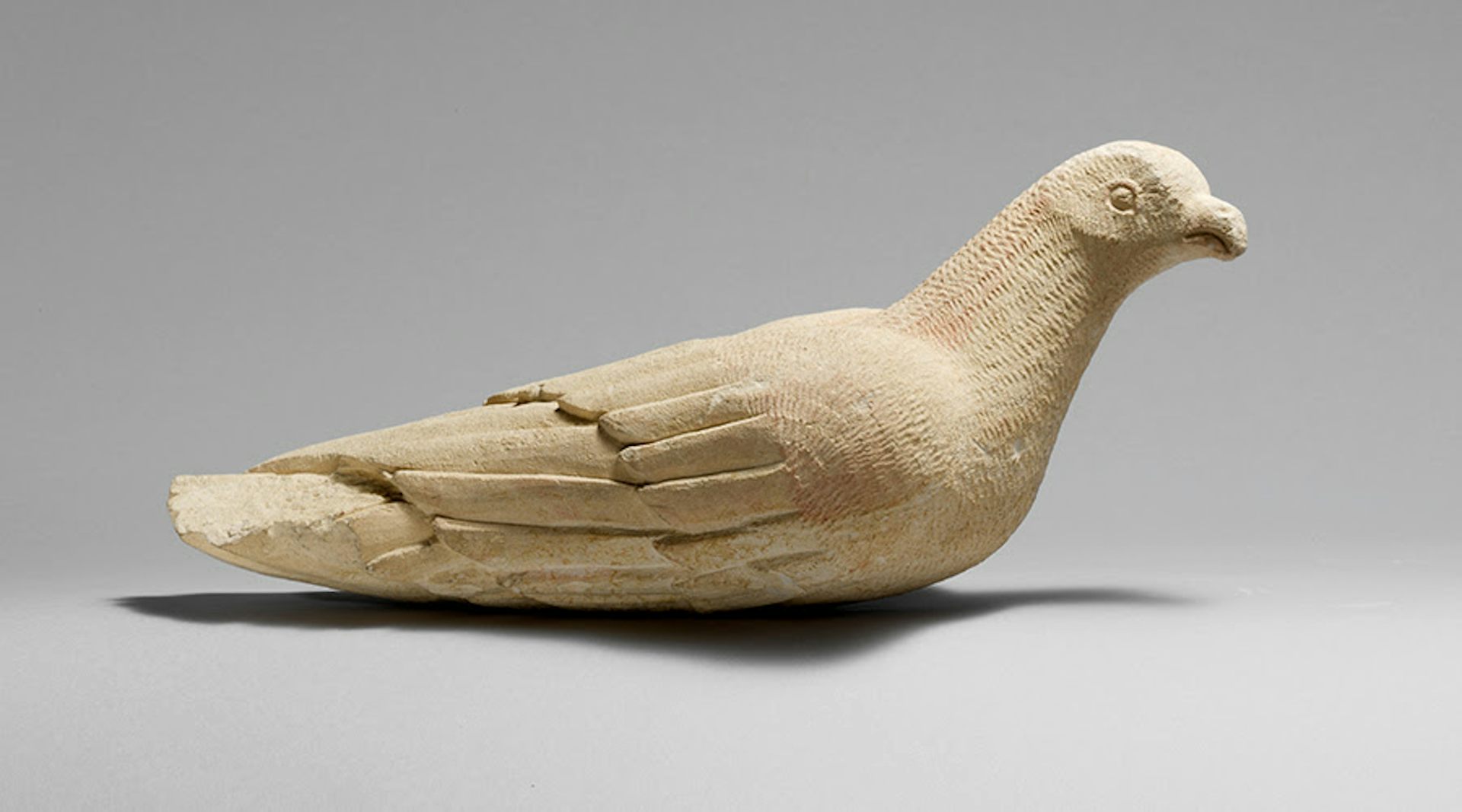
Amongst other things it seems that Bronze Age people were also pigeon fanciers.

I just don’t know how they do this … the charred scrolls from Herculaneum are being deciphered.

A metal detectorist in Somerset has found a stunning gold Roman ring.

A medieval manuscript containing early versions of the Merlin and Grail legends, which has remained in private hands for 700 years, is being auctioned by Christie’s.

So to put the record straight, here’s everything you need to know about the Black Death.


London

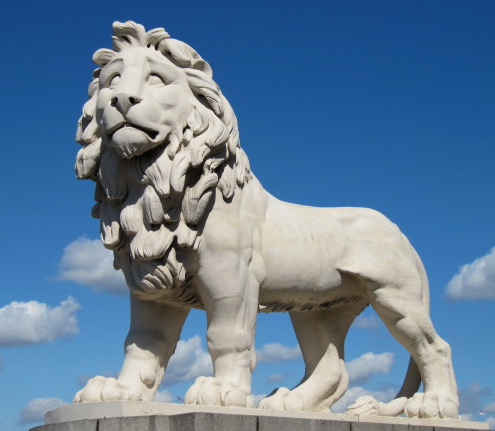
The Lions of London

Here are some 1920s London Tube Maps, from before its current Harry Beck iconic design.

Greater London has a surprising number of overlooked Art Deco railway stations. (No, not the tube stations!) [LONG READ]

What was the mysterious Whitechapel Mount?


Food, Drink

Why does beer taste different on draught, in a can, or from a bottle?

Scientists are at last starting to unravel the importance of cork to the chemistry of wine. [££££]


Lifestyle, Personal Development, Beliefs

DDA banding. It’s an accessibility thing.

A naturist’s look at what people’s arguments against nudity are really saying. [LONG READ]

What if seeing naked women actually reduced objectification? (Men too?) [LONG READ]


Shock, Horror, Ha ha ha!

And finally in New Scientist “Feedback” discovers Halupedia, an online encyclopaedia that is 100% AI generated. [££££]

Enjoy!


Is AI Useful?

Is there any good use for AI? Yes, of course there is.

For example, this is what we should be using AI for …

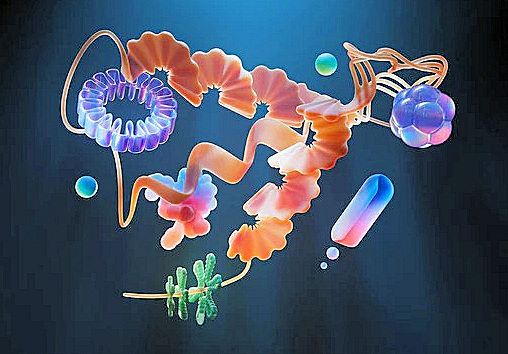
New protein-folding AI predicts the structures of 1 billion proteins
[paywall]

… not writing stupid stories, making fake videos, or doing kids homework for them.

Protein folding diagram

There are an increasing number of medical and scientific applications from assisted note-taking to analysing complex CT scans. And then, of course, there are applications like industrial & medical robotics.

There are many ways in which AI can be useful, but sadly most of what it appears to be being used for (or at least that which is getting the most media attention) is at best pointless and at worst dangerous. Please let’s concentrate on the useful applications.

This is what we should be using AI for!

May’s Monthly Links

So now we bring you this month’s selection of links to items you wish you hadn’t missed. And it’s a well packed edition …


Science, Technology, Natural World

Apart from traumatic, what it would have been like to experience the dinosaur‑killing asteroid? [LONG READ]

death to the dinosaurs

There’s a huge amount of “space junk” above our heads: almost half of what’s in earth orbit is junk – and that’s only what we know about. [££££]

And while we’re talking of things going round … Astronomers have just found over ten thousand new exoplanet candidates.

Meanwhile there are some pieces of the cosmos being ignored by astronomers. [££££]

It seems that the universe could be any one of 18 possible shapes. [££££]

Let’s come back down to Earth … Researchers are beginning to understand how Egypt’s Great Pyramid has withstood earthquakes etc. for over 4500 years. [££££]

There are new insights into whether plants can hear.

[Illustrations NSFW] “Slow Blink” communication with your cat.

Scientists are developing tiny robots that can learn to navigate like honeybees. [££££]

On birds’ eyes and why their visual perception is almost second to none. [LONG READ]

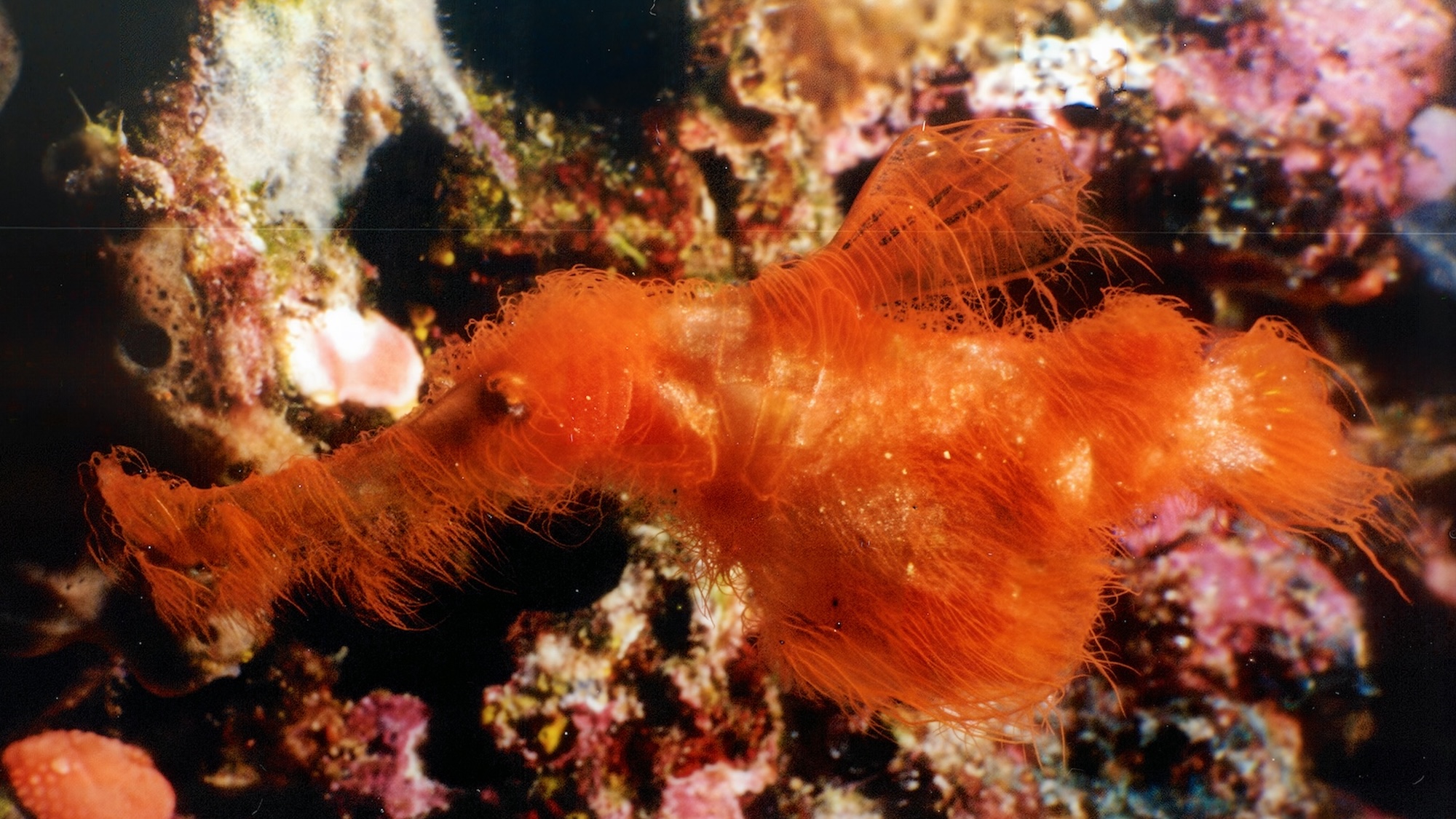
At the other end of life on earth scientists have found a tiny fish that looks like Mr Snuffleupagus (below). [££££]

Snuffleupagus pipe fish

And finally in this section New Scientist had a piece on the renowned mathematician who doesn’t exist. [££££]


Health, Medicine

An interview with two scientists who have been working flat out to develop a test for hantavirus. [££££]

An American look at what the response to the hantavirus “scare” has brought to the surface – and a brilliant example of how to do public health leadership. [LONG READ]

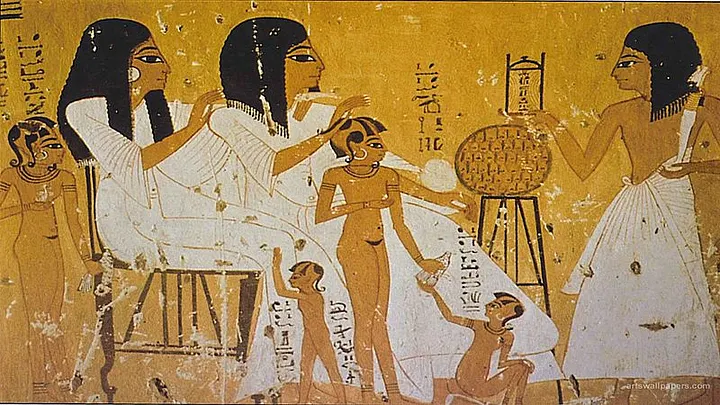
So did the Ancient Egyptians invent the pregnancy test?

Egyptian wall painting…

Along with that women have been using cannabis medicinally for thousands of years.

Twins. Born within minutes of each other. But they have different fathers!


Sexuality & Relationships

Sexual health after 60: aging, hormones & intimacy.

Sex after 35: apparently the female body was not designed for the sex most women are having. [LONG READ]

So what really does happen to a woman’s body during orgasm?

One man’s experience of vasectomy leads him to wonder why the procedure isn’t more common.


History, Archaeology, Anthropology

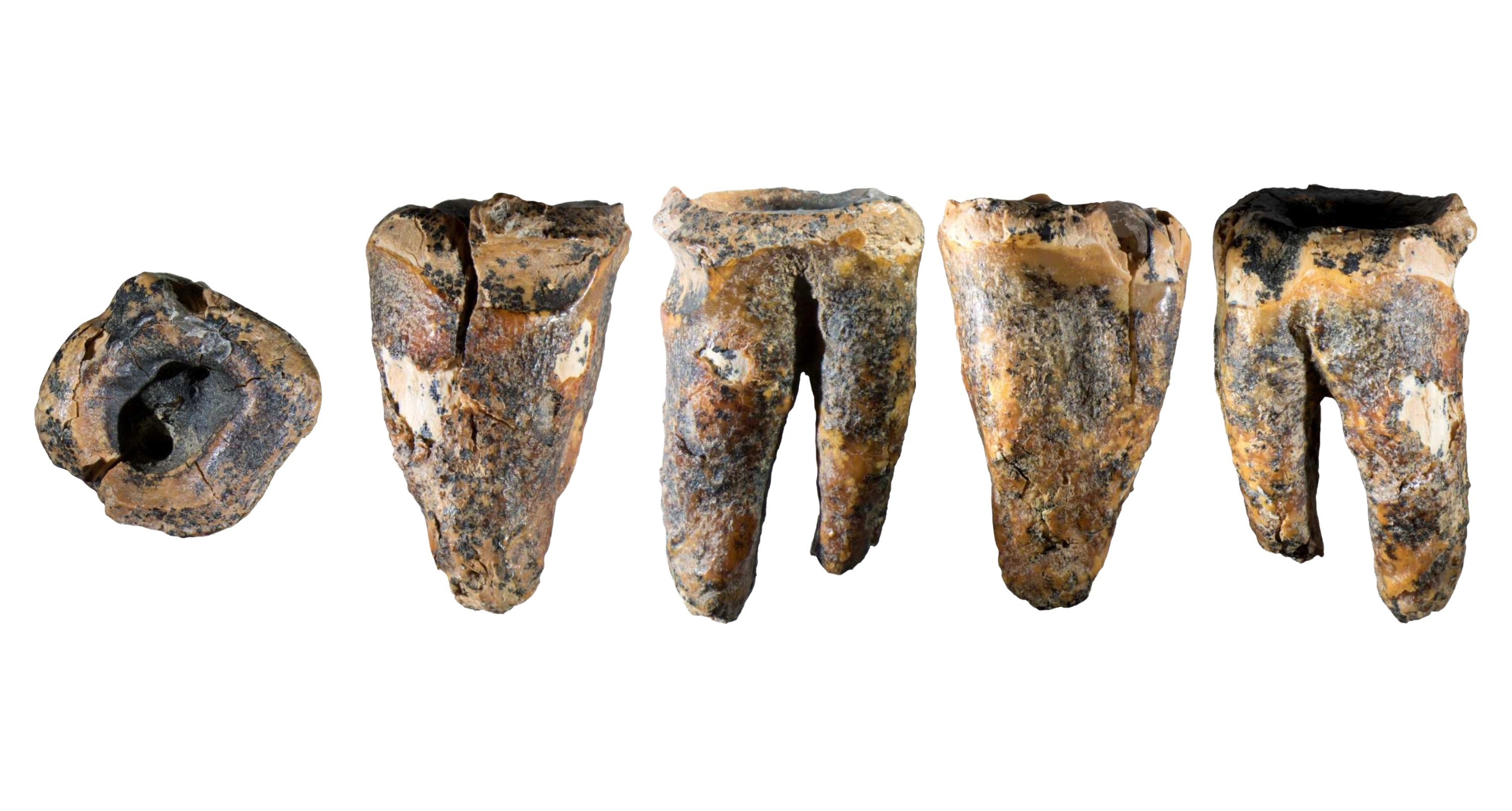
Neanderthal dentistry

Were the Neanderthals the first dentists? One article from Scientific American, and a second from The Guardian.

A research team have published a new, online, map of Roman roads across their empire.

It’s long been supposed that after the Romans left Britain the Anglo-Saxons took over and totally replace the indigenous population. But DNA analysis tells us otherwise. [LONG READ]

It seems strange, but early medieval Ireland had laws protecting bees.

So who invented the corridor? [LONG READ]

There are tunnels under Bloxham, Oxfordshire. But what are they for? [LONG READ]

There’s a forgotten cock pit under Whitehall. [Now, now. That’s enough of that!]


London

And finally … Matt Brown has released the latest coloured section of John Rocque’s 1746 map of London. This time it’s Limehouse and Rotherhithe.

1746 London map section


Monthly Links for April

As usual in this month’s collection of links, we’ll start with the hardest stuff …


Science, Technology, Natural World

Quite a lot of years ago, mathematicians worked out why waiting for a lift (elevator, for those in America) always takes forever. [££££]

How likely are you to be killed by a primordial black hole? [££££]

Whether you believe in astrology or not, your star sign is likely wrong, but you can find the correct one. [££££]

The Chernobyl exclusion zone has become a most unusual ecological experiments on Earth, leading to some unexpected results. [LONG READ]

So why do cats get the Zoomies, especially late at night?


Health, Medicine

If you had cardiac arrest in public, would a stranger give you CPR?

Most men have two balls, but are three balls better?


Sexuality & Relationships

The Kamasutra is more than a sex manual, with consent as an underlying principle.

A 300+ year old sex manual that got pretty much all of it wrong.

Well who would have guessed? Human sperm get lost in space. [££££]

As if boob jobs weren’t enough, labiaplasty is a growing fashion. Why? Just why? [LONG READ]


Environment & Ecology

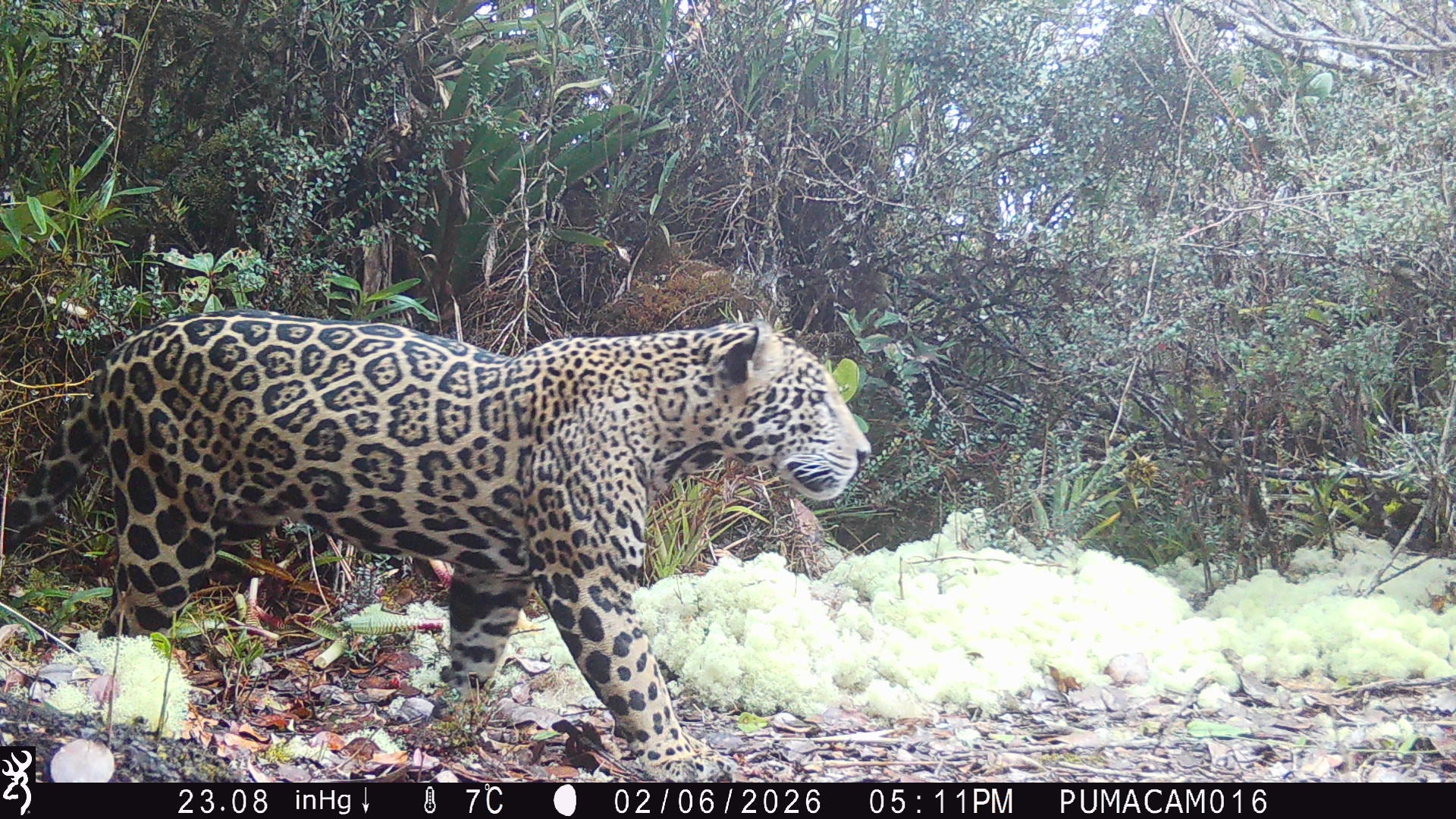
Jaguar (below) are becoming increasingly rare, so researchers were pleased to see one in a wildlife corridor in the Honduran mountains. [££££]


History, Archaeology, Anthropology

Archaeologists have discovered a variety of 12,000‑year‑old dice, and they illuminate ancient play.

The oldest known recipe for toothpaste comes from … Ancient Egypt.

So how many of the purported priest holes are actually what they’re said to be? [LONG READ]

Samuel Pepys was, in many ways, a very naughty man – even to the extent of concealing letters about being offered an enslaved boy as a bribe.


London

Matt Brown of Londonist has taken a look at the origins of some of the City of London’s street names.

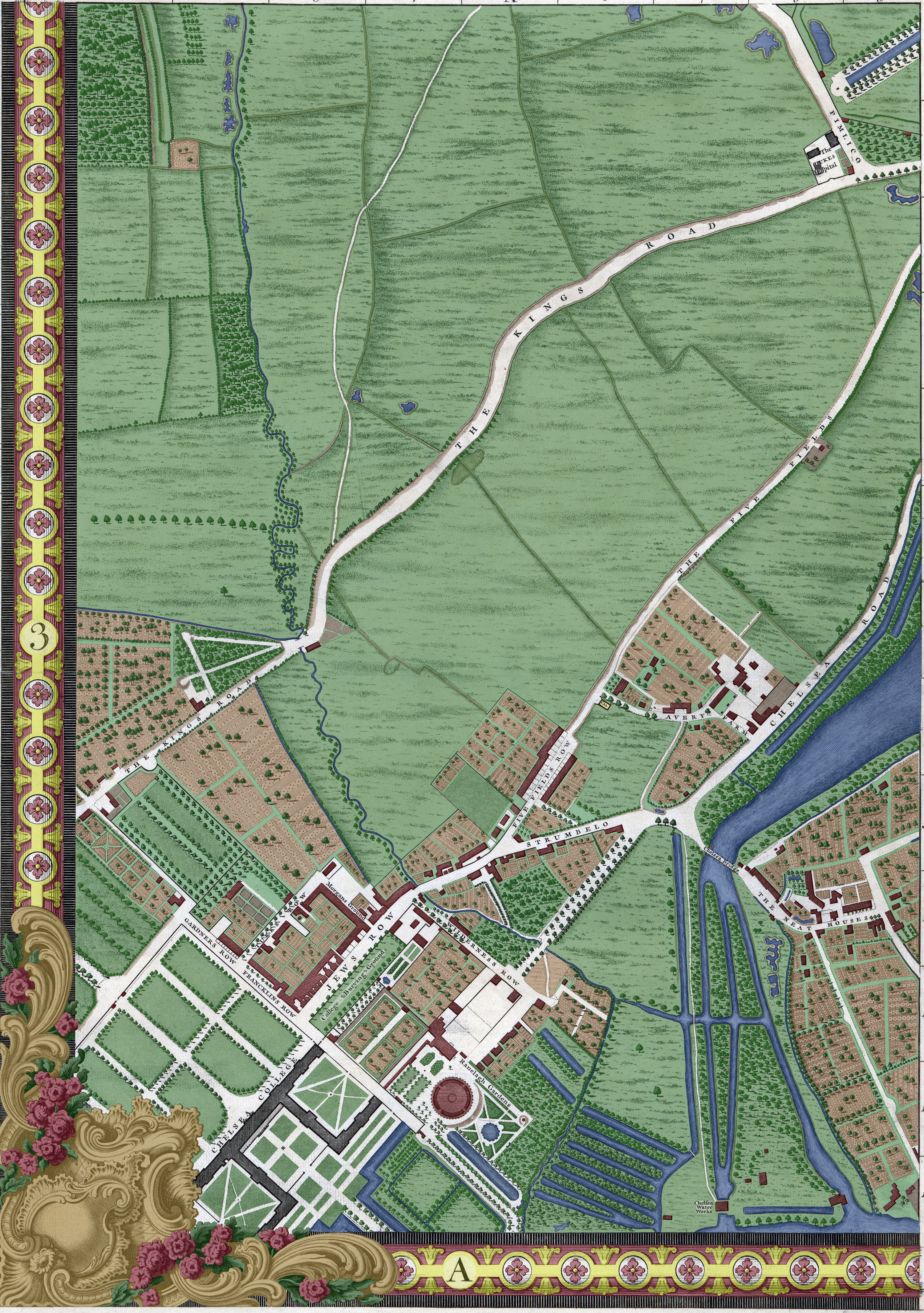
Matt Brown is also creating a coloured version of John Rocque’s 1746 map of London. Here’s the latest section covering Chelsea and the King’s Road (above).

Meanwhile a researcher has been able to unravel the mysterious location of Shakespeare’s house in Blackfriars.

London Historians visits Benjamin Franklin’s London house.


Food, Drink

Here’s a quick look at some of the factors which produce the myriad types of tea.


Lifestyle, Personal Development, Beliefs

Humans have been documenting their appreciation of the nude body for thousands of years, and photography has made it much easier and more accessible.

The New Testament letters of Paul are not what they seem; many weren’t even written by him. [LONG READ]


Shock, Horror, Ha ha ha!

Finally, New Scientist considers the size of a “shedload“. [££££]


Monthly Links for February

Our monthly collection of links to items you may have missed.


Science, Technology, Natural World

How could we even know what came before the Big Bang? [LONG READ] [££££]

Which brings us on to some misconceptions about the universe.

At the other end of the unknowable, there’s growing evidence that some giant “Blobs” of rock have influenced Earth’s magnetic field for millions of years.

Compared with which it seems tame that researchers having managed to isolate antibiotic-resistant ancient bacteria from 5000-year-old ice.

So we’re gradually going down in size to take a look at the jam-packed nature of cells.

Meanwhile our favourite drug chemist, Derek Lowe, takes a look at the parlous state of scientific research literature.


Health, Medicine

A surgeon looks at the protection afforded by bone and hormone health.

Trigger warning … the rare condition that produces a calcified foetus.

It is totally normal for our skin to be home to countless mites.

Was the 1889 “flu” pandemic actually a coronavirus?


Sexuality & Relationships

Why do women Lose interest in sex? On the causes of low libido.

Scientific American takes a long, hard and rational look at the workings of polyamory. [££££] [LONG READ]

NSFW … Just when did penis size become important in Japan?


History, Archaeology, Anthropology

It is becoming increasingly apparent that ancient humans were seafaring far earlier than we thought. [££££] [LONG READ]

The rules of mysterious ancient Roman board game have supposedly been worked out by AI. [££££]

Early medieval swords found in child graves in Kent suggest they were not just weapons.

Another pandemic item … it seems a mass grave in Jordan is providing new light on our earliest recorded pandemic, the Plaque of Justinian.

Our notions of foul drinking water in the Middle Ages are far from accurate.

We hear of heralds, on and off, throughout European history, but what do heralds actually do?


London

Matt Brown is back having coloured another section of John Roque’s 1746 map of London. This time Victoria and Pimlico. And he follows this up with a look at the very soggy state of Pimlico.

Underneath South Kensington (aka. Albertopolis) there’s a subterranean passage.

Back above ground Matt Brown (again) has a bit of fun with London’s street signs, and Katie Wignall goes looking for some of the city’s oldest street signs.


Lifestyle, Personal Development, Beliefs

A psychologist offers some ideas for staying positive when it never stops raining.

Well it was news to me but it seems there’s a new trend for showering in the dark before bed. Whether or not there’s any scientific justification, I think I’ll pass – thank you.

And finally … By way of puffing her new book, Karin Celestine asks “What is in your pockets?

Image: Karin Celestine

Links for August

Here’s our August collection of links to interesting items you may (or may not) have missed.


Science, Technology, Natural World

Good scientists update their theories and change their minds. What happens when the do? [££££]

Or to look at it another way, there is much weirdness, and the best we can do is to try to understand the underlying rules.

Because, for example, the Universe is static. No, it’s expanding. Or slowing? Or accelerating. Depending on who and when you are. [££££]

Meanwhile they’ve discovered a new moon orbiting Uranus – assuming you can call a piece of rock 10km in diameter a moon. [££££]

And it seems that Betelgeuse may have a small stellar companion.

After which we shouldn’t be surprised that Earth gets bombarded by meteorites from outside our solar system [££££], or that some manage to crash land here.

Continuing to look up, we’re still trying to understand what triggers lightning; and it seems to be all down to exploding stars!

From above our heads to under our feet … Earth’s core is leaking out.

Now lets turn to the animal kingdom … a small ancient whale with razor-sharp teeth an huge eyes has been unearthed in Australia.

Antarctic Leopard Seals sing to attract a mate, and their songs are very similar to nursery rhymes!

There’s a new theory that our primate ancestors evolved in colder regions and not in the tropics.

Research has confirmed that cats develop dementia in a very similar way to humans developing Alzheimer’s.

All hail the Rat King – maybe.

A new study has found that “sex reversal” is surprisingly common in birds.

They keep telling me that wasp numbers in UK have been unusually high this summer after a warm and dry Spring. All I can say is “Not here”; wasps are almost absent.

Now finally in this section, a complete change of subject … a sports scientist has looked at how strip colour impacts performance particularly in Premier League football.


Health, Medicine

Do we visualize dreams in colour or black and white?

While different diseases spread via different methods, there’s a scale of contagion.

Is it actually possible to break your penis? Spoiler: yes, and it needs emergency action.

On which note … why some penises are curved?


Environment & Ecology

Scientists have used existing air pollution monitors to assess environmental DNA (eDNA) to discover what lives nearby.

Natural England is reporting the recovery of 150 struggling species of plants and animals.

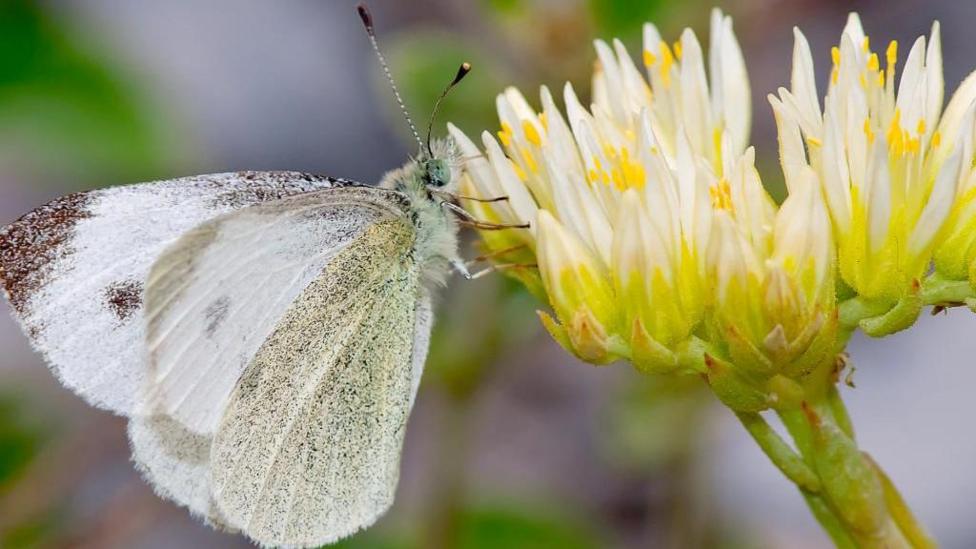
Southern Small White butterfly has been seen in the UK for first time.

A study is suggesting that reintroduced lynx could thrive in Northumberland.


Social Sciences, Business, Law, Politics

We know that the Mercator projection used for most maps of the world distorts the relative sizes of continents, and now the African Union has joined calls for and end to the projection’s use.


Art, Literature, Language, Music

There’s a Christian principle of “hate the sin but not the sinner” which we seem to have totally lost – artist Eric Gill is, again, a current target – as it’s now a case of “hate the sin, and the sinner, and their works; and airbrush the whole from existence”.


History, Archaeology, Anthropology

A previously unknown species of Australopithecus (our ancestors) has been identified from some teeth. [££££]

Still with teeth, an ancient cow’s tooth may help unlock some of the mysteries of Stonehenge.

Slowly coming up to date … a 2,500-year-old Siberian “ice mummy” had intricate tattoos

A new analysis reveals that the Vikings were addicted to silver and just how far they would travel to obtain it.

Archaeologists have happened upon the tomb of an ancient Mayan city’s first ruler.

Meanwhile all classes of ancient Incan used coded strings of hair for record keeping.

DNA analysis of some early medieval English skeletons has revealed some surprising West African ancestry. [££££]

On the return of the equestrian statue of Charles I to Charing Cross.

Still with the Restoration, their women were much more creative than has been perceived.

HMS Northumberland – built 1679 as part of Samuel Pepys’s modernisation of the Navy – sank in the Great Storm of 1703, but is only now revealing its secrets.


London

And finally for this month … Three articles on transport for London …
*  London’s First Bus
*  The colourful history of London’s Traffic Lights
*  An old Underground train breaks a world record.


Monthly Links for June

And so, already, we get to this month’s collection of items you may have missed.


Science, Technology, Natural World
Has any cat owner actually managed to fully decipher their cat’s meows? Well now researchers are trying to use AI tools to do just this. [££££]

Whether your cat is vocal or quiet may depend on its genes.

So, we’re still finding microbes we didn’t know about. In one case a microbe with a bizarrely tiny genome (above) which could just be evolving into a virus.

And in a further demonstration of how little we know about our home rock, scientists continue to be baffled by an apparent, and mysterious, link between Earth’s magnetism and oxygen levels. [££££]

Extending this lack of knowledge outward … Was the Big Bang really the beginning of our Universe? We don’t know, but there is research which suggests it could all have happened within a black hole!


Health, Medicine

Despite what they told you at school, insulin is made in the brain, and not just in the pancreas.

The ancient idea of the wandering uterus may be wrong, but the female reproductive tract is surprisingly mobile.


Sexuality

Who knew that semen allergy was a thing?

Another oddity … Orgasms can trigger colours in people with sexual synaesthesia. [££££]


Social Sciences, Business, Law, Politics

Denmark is deploying “saildrones” (above) in the Baltic Sea to monitor undersea cables and protect them from hostile action.


Art, Literature, Language, Music

English spelling will never make sense. Here’s something about why. [LONG READ]


History, Archaeology, Anthropology

One archaeologist thinks he’s uncovered a fraudulent scam involving Roman wine.

Also in the Roman world, a huge haul of fragments of Roman frescoes has been found in South London. What a nightmare jigsaw puzzle!

Here’s a review of a book on the making of books in the Middle Ages.

The Inca had a system of “writing” based on knotted strings, and some ancient examples are revealing Peru’s climate history.

There seemed little he couldn’t turn his hand to for the profit of humanity in general, making Benjamin Franklin (below) a phenomenon even during his lifetime.


London

Who knew that London still had sheriffs?

IanVisits investigates the one-time secret tunnels beneath Holborn, and looks at the plans to open them to the public.

In North London there’s a forgotten Tudor house that’s seen better days.

Coming right up to date … there’s to be a national memorial to Queen Elizabeth II. And of course it will be in London’s St James’s Park and being designed by Norman Foster. [No comment.]


Lifestyle, Personal Development, Beliefs
Continuing one of our recurrent themes, here’s an article on helping people understand naturism and social nudity.


Shock, Horror, Ha ha ha!

So let’s end with two unlikely items …

Did you know that Disney produced educational films about periods and family planning as long ago as 1946?

And finally a Dutch museum has put on display a 200-year-old, mint condition, condom (below) decorated with an explicit scene of a nun and three clergymen. It is believed to have been a “luxury souvenir” from a fancy brothel in France.


Monthly Links for April

This month’s links to items you maybe didn’t want to miss …


Science, Technology, Natural World

It’s fairly superficial, but here are 15 common science myths debunked. [LONG READ]
Robin McKie reflects on over 40 years as the Observer‘s science editor. [LONG READ]
Pharmaceutical chemist Derek Lowe takes issue with the idea that we could kill off all disease within 10 years.

Meanwhile Corey S Powell discusses why it is that extraordinary claims require extraordinary evidence … [LONG READ]
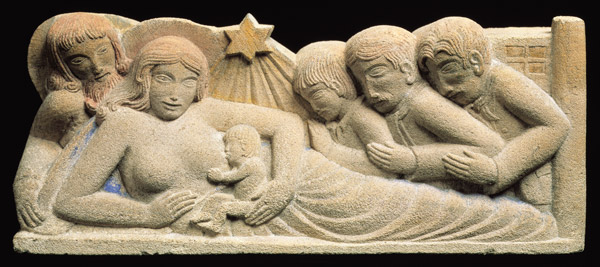
… And Prof. Seirian Sumner outlines the how we might best create a more nature-literate society.

Somewhere hiding in Britain the government has a collection of deadly fungi.

The tiny and mysterious hominin Paranthropus lived alongside early members of our Homo genus. [££££]

After which it is maybe no great surprise that intelligence evolved at least twice in vertebrates. [LONG READ]

No wonder scientists have recently created the largest mammalian brain map to date. [££££]

Going back down the size scale … just how do insects and the smallest animals survive in Antarctica.

Still with insects, it turns out that flies are masters of migration, travelling huge distances.

Back up in size, a group claims to have de-extincted the Dire Wolf, but have they? Two articles (amongst the many in recent weeks): a blog post from Bethany Brookshire [LONG READ] and an op-ed from Michael Le Page in New Scientist [££££]. Spoiler: No they haven’t.

And now for something completely different … new work is finding that astronomers were wrong about Uranus and it resolves some mysteries.

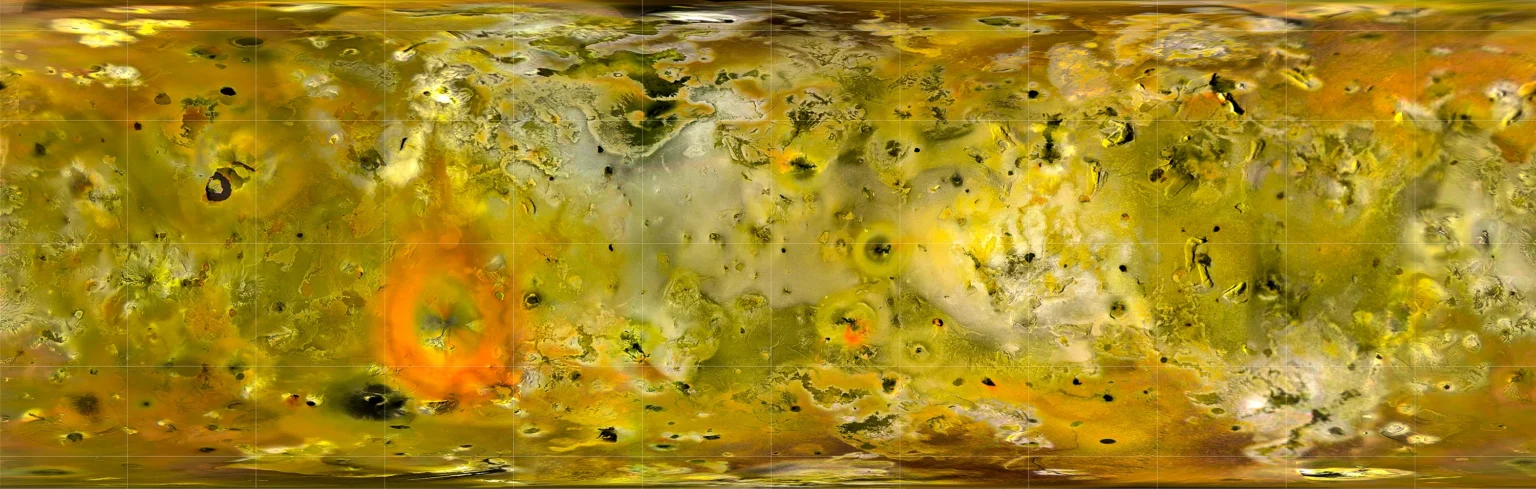
Much more interestingly, astronomers are trying to work out what’s happening inside Jupiter’s volcanic moon Io.


Health, Medicine

Researchers are now beginning to understand the actual role of carbon dioxide in airborne disease transmission, and this should be a key to safer indoor spaces.

Professor of Mathematical Biology, Kit Yates, asks whether the risks of brain injury in contact sports is being overstated. [LONG READ]

Drinking urine is an ancient practice to improve health, but are the risks worth it?


Sexuality & Relationships

Dani Faith Leonard writes a review of the medical discovery of the clitoris, and takes a sideswipe at DOGE incels in the process.

Here’s a history of (not just pubic) hair removal through the ages. [LONG READ]

And then there’s a pictorial history of the “full bush”. [LONG READ]
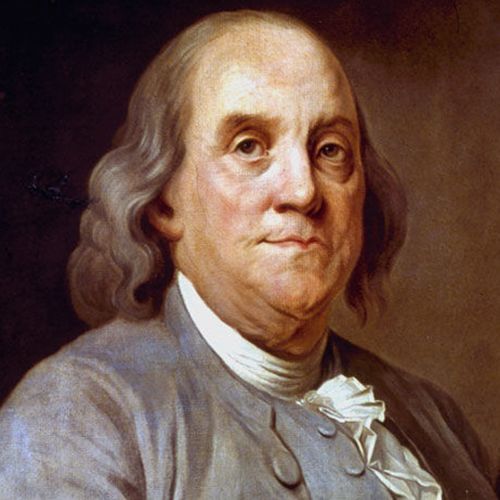
Meanwhile a different sex writer talks about her approach to “self-pleasure”.

Now over to you boys … First off, just what is the relation of penis size to monogamy?

And when you’ve got over that shock … apparently you need to wake up to your declining fertility. [££££]

All together now … Here are some thoughts on why some marriages last while others fail.

Which brings us to various ways to improve a sexless marriage.


Social Sciences, Business, Law, Politics

Following which, this seems an opportune time to consider nine ways to spot falsehoods on the loose.


Art, Literature, Language, Music

So from a linguistics point of view apparently “she” is a very weird word. [LONG READ]
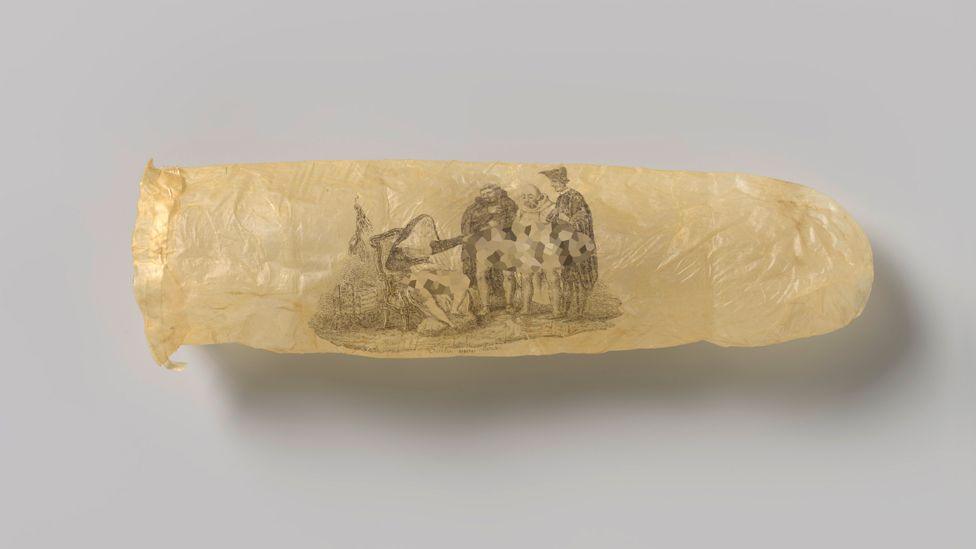

History, Archaeology, Anthropology

Archaeologists have uncovered a huge horad of Iron Age metal work; everything from cauldrons to horse harness fittings.

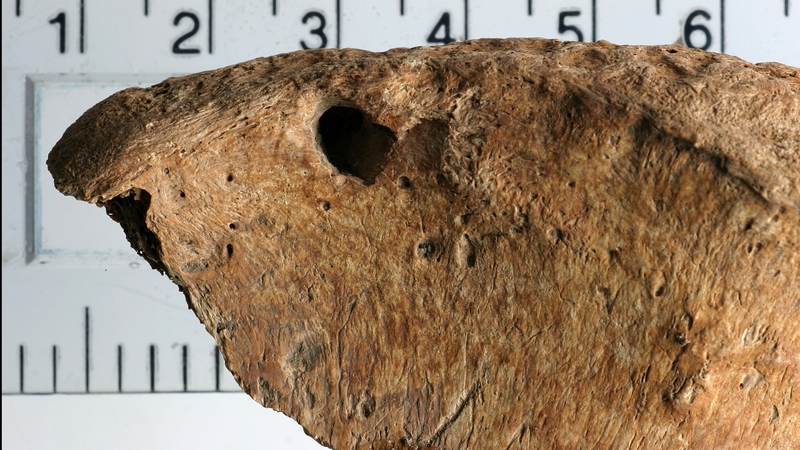
If you’re a Roman, how do you get a lion from Africa to York? Because a skeleton (presumably of a gladiator) in a Roman York cemetery has bite marks made by a lion and is the first physical evidence of gladiators (well people) fighting lions as sport.

History is sometimes hard to understand and interpret, but it seems Christopher Marlowe tackled the problematic Edward II.

Archaeologists in Barcelona have uncovered the remains of a wrecked medieval boat.

Mercury and weasel balls … medieval treatments so often make one doubt the sanity of ancient medicine.

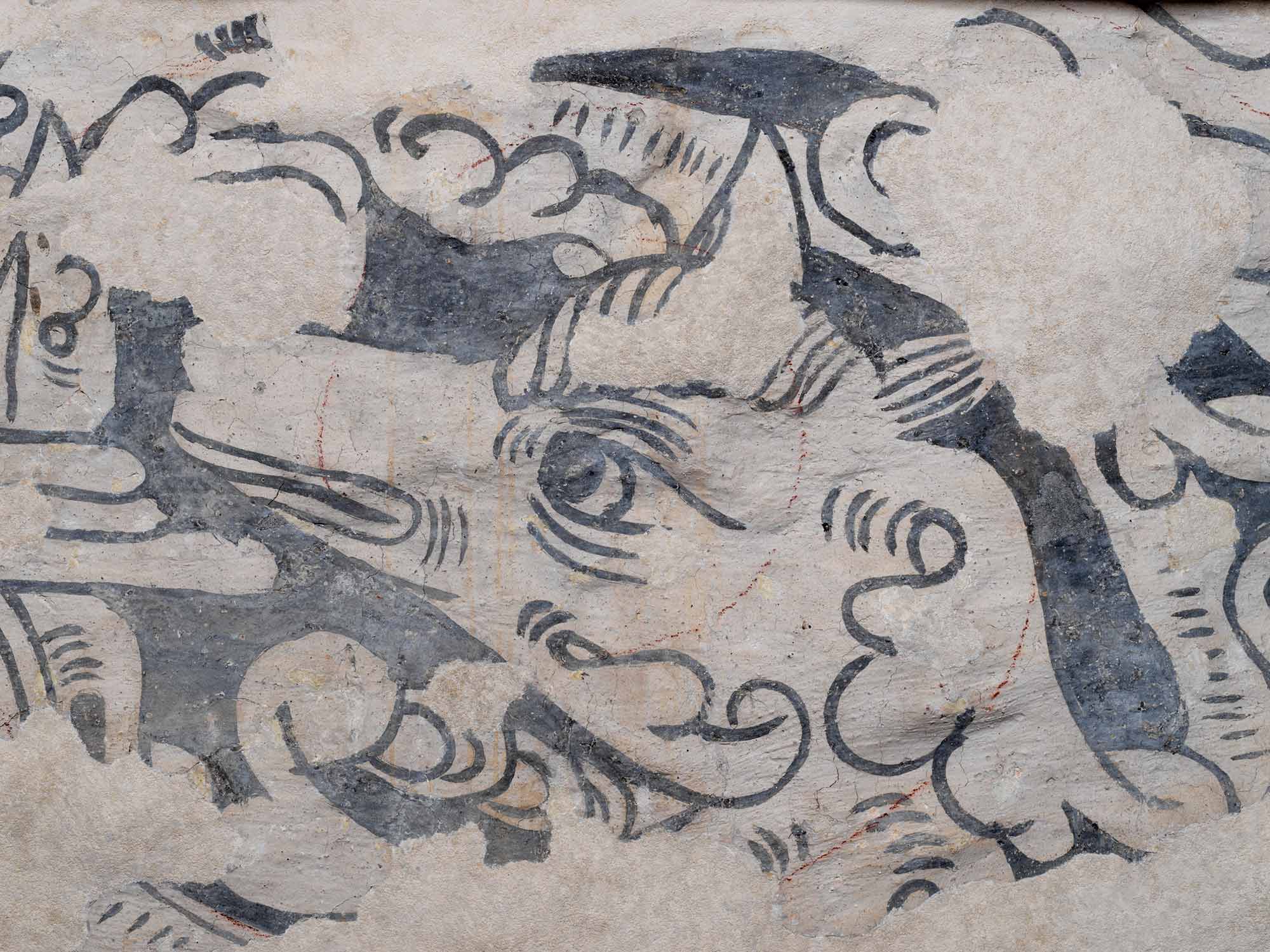
Newly discovered wall paintings show off the tastes of wealthy Tudors.

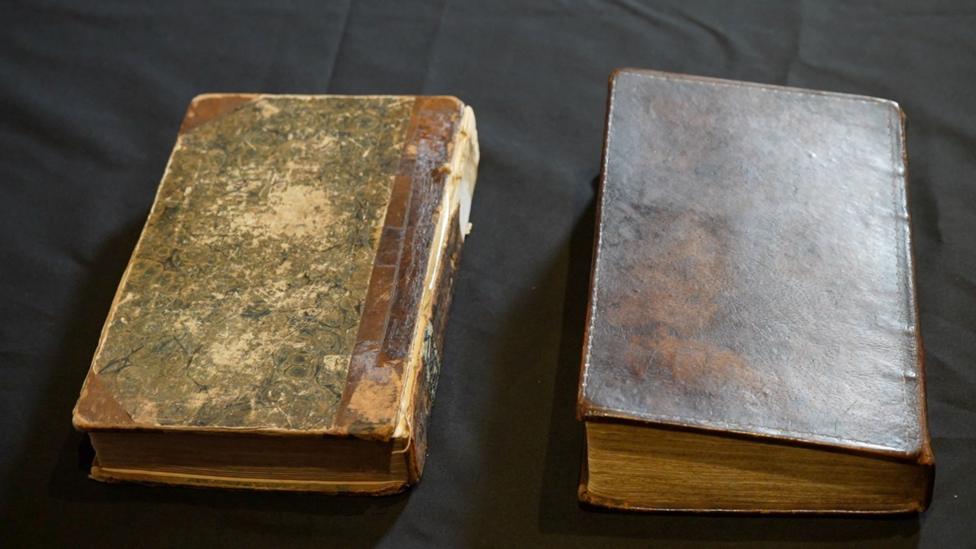
And finally for this month … there’s a brouhaha over the display of a book bound in the skin of a 19th-century Suffolk murderer.