Category Archives: food+drink

Culinary Adventure #109: 40 Ingredients

I picked up the idea for this from Ali Slagle’s Substack, 40 Ingredients Forever.

Using fewer ingredients, rather than buying some oddity that you might use once and then forget in the back of the cupboard/fridge, is economical common sense. In my mind it will also avoid a lot of the faff around cooking and recipes; I can’t be doing with 27 obscure ingredients, 39 steps, and two dishwasher loads, of buggering around just to make dinner. (Except possibly very, very occasionally.)

You see, if you have your 40 go to ingredients always available, you have at your fingertips both the means to make a good meal, or cook almost anything, and make it interestingly tasty.

My list differs substantially from that of Sohla El-Waylly, which is the list Ali Slagle originally posted. And your list will not be the same either, although there are likely to be some commonalities.

In creating my list I’ve assumed that in the cupboard there are already six very basic basics:

  • Salt (although I rarely use any)
  • Black pepper
  • Plain flour
  • Milk
  • Sugar
  • Baking powder

So here’s my list. (Frozen, where appropriate, is fine.)

40 Essential Ingredients

  1. Hot lemon chilli flakes
  2. Tandoori spice mix
  3. Creamed coconut
  4. Worcs sauce
  5. Mixed spice
  6. Almond essence
  7. Dark chocolate
  8. Extra virgin olive oil
  9. White wine vinegar
  10. White wine
  11. Dry sherry
  12. Cashew nuts
  13. Kalamata olives
  14. Fresh ginger
  15. Fresh coriander
  16. Hot lemon chillies
  17. Basmati rice
  18. Linguine
  19. Tinned plum tomatoes
  20. Tinned cannellini beans
  1. Charlotte potatoes
  2. Button mushrooms
  3. San Marzano tomatoes
  4. Bell peppers
  5. Banana shallots
  6. Garlic
  7. Lemons (& limes)
  8. Smitten apples
  9. Blackcurrants
  10. Chicken thighs
  11. Lamb neck fillet
  12. Bacon
  13. Chorizo
  14. Prawns
  15. Eggs
  16. Butter
  17. Double cream
  18. Parmesan cheese
  19. Cheddar
  20. Brie

Having said all that, this starts getting difficult when you have to take dietary restrictions into account. That’s where we are now with a medical need to reduce phosphate and potassium levels, sugar and salt – which cuts out a huge range of foods from avocados to crab by way of nuts and seeds. Because of the potassium alone almost all vegetables have to be boiled (yeuch!) and many fruits are off limits. This of course hits the 40 ingredients – but here are some possible substitutions.

Removed Ingredient Replace with
Baking Powder Yeast
Creamed coconut  
Worcs sauce  
Dark chocolate  
Dry sherry Gin
Cashew nuts  
Kalamata olives  
Tinned plum tomatoes  
Tinned cannellini beans Tinned chickpeas
Button mushrooms Shiitake mushrooms
Blackcurrants Cherries or blueberries
Bacon  
Chorizo  
Parmesan cheese  
Cheddar Mozzarella
  Salmon
  Fresh thyme
  Asparagus (in season)

It’s going to get interesting.

Culinary Adventure #108: Asparagus Tips

We’ve recently had the joy of the first English asparagus of the year. So I thought it might be worth a few tips which I find useful in getting the best from asparagus. This is my experience; as always YMMV.

Buying asparagus. Do not be tempted to buy those thick tree trunks as they’ll be woodier and not good value. Buy sprue – that’s the very thin spears – if you have the choice. They tend to be younger, softer, and more succulent.

Cut off ends & stand in water. If you aren’t going to use the asparagus within about 24 hours, you need to keep it fresh. While the fridge will help, it will tend to dry out the spears unless they’re wrapped in damp kitchen paper. I find the best way is to cut a small slice (no more than 5mm) off the bottom of each spear and then stand them in a small amount of water in a glass or jar. This will rejuvenate them, but don’t try keeping them more than 2-3 days as the tips they will start growing again.

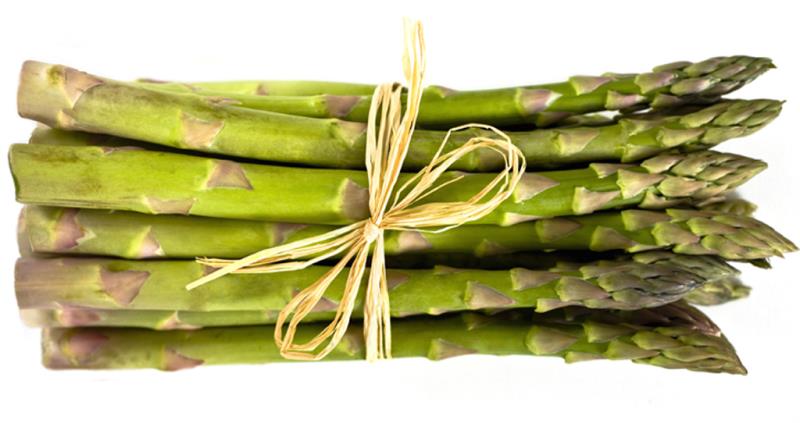
Bundle of asparagus

Snap off the ends. When you’re preparing asparagus you will want to remove the woodier part at the bottom of the spear. But how much do you need to remove? Let the asparagus show you. Lightly hold the spear at the bottom (in one hand) and about two-thirds the way up (in the other hand). Now bend it towards you and it will snap at the point where the woodiness is less. Voila! Job done.

Forget peeling. Just don’t bother peeling asparagus. Why would you remove much of the goodness?

Not always spears. Don’t be afraid of asparagus. It doesn’t have to be kept as long spears. If what you’re cooking needs smaller pieces (eg. stir-fry or salad) don’t be afraid to cut the spears into shorter lengths, and cook as shorter lengths.

Steam, don’t boil. Forget specialised asparagus cookers. And forget saucepans of boiling water. Asparagus is best steamed, preferably as full spears. Just don’t steam for more than a handful of minutes; you don’t want it soft and mushy but very slightly crunchy.

Cook with your pasta or noodles. This is the one time it is excusable to boil asparagus. If you’re doing a pasta dish to include asparagus (and you should), you want the asparagus to be added late on so it doesn’t get over cooked, but it may not cook best in the ragu. As you’re boiling your pasta add the prepared spears about 2-3 minutes before the pasta is done. If the pasta is being added to the ragu, just drain it and tip in the pasta and asparagus together. If you want to serve the pasta separately, then remove the asparagus with a perforated spoon before draining the pasta.
Asparagus goes will in stir-fry too, so you can do the same with noodles: if you’re cooking dried noodles in hot water (usually for 5-6 minutes), add the asparagus at the same time as the noodles. Drain as before.

Now two recipe tips …

Asparagus with butter & parmesan starter. You will want 4-6 spears per person. Lightly cook the whole asparagus spears and serve hot on individual plates with a nob of butter and plenty of shaved parmesan. The first time I did this was for a dinner party; I knew it would work but one of the guests wasn’t so sure until he tried it and said it was excellent.

Cold in salad. Asparagus goes well in a mixed salad with tomato and herbs (of your choice); but for my money it doesn’t want to be raw. You’ll want the spears cut into 2-3cm lengths (match the size to the rest of the salad); you can cut before or after being cooked. Steam the asparagus and remove from the heat just before it’s done; leave it aside to cool (it’ll continue to cook a bit). When cool add to the salad and toss with an oil and lemon dressing.

There’s so much more you can do with asparagus; it’s incredibly versatile. Just Google “asparagus recipes”.

Enjoy your asparagus while you can. The season is all too short, and I don’t like having it shipped across the globe.

Culinary Adventures #107: Blackcurrant Fool

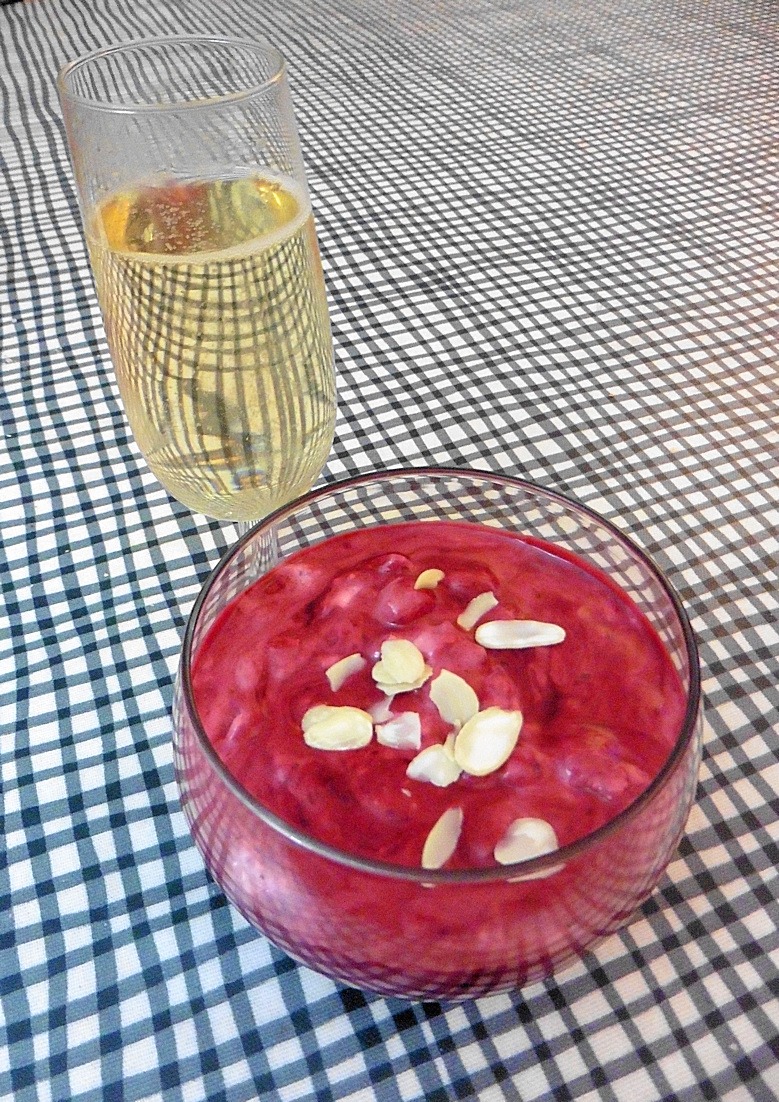
For my recent birthday I tried something I’d not done before and made blackcurrant fool. I don’t do puddings very much due to the need to minimise sugar intake, and I’m not used to mucking about with cream. But I felt like having a go, after all it can’t be hard! Besides we had some blackcurrants taking up much needed space in the freezer. So here it is …

Blackcurrant Fool

Serves: 4-6
Preparation: 15 minutes + cooling + 10 minutes
Cooking: 15 minutes

Blackcurrant Fool

Ingredients

  • 500g blackcurrants
  • 100g caster sugar
  • 300g double cream
  • 250g thick Greek yogurt
  • Splash cassis (optional)

What to do

  1. Simmer the blackcurrants for about 10 minutes with the sugar and a splash of water (or cassis) until the fruit has broken down and the juices have become syrupy.
  2. Sieve to remove stalks, skins & pips; and set aside to cool.
  3. Once the blackcurrant has completely cooled, whisk the cream until soft peaks hold.
  4. Fold in the yogurt.
  5. Then fold in the blackcurrants, and combine – more or less, depending on the level of marbling you want.
  6. Divide into bowls/glasses and chill before serving.

Notes

  1. I’ve adjusted the quantities from what I did as there was too much, too sweet, blackcurrant cf. the cream. While you want something sweet, you also want some sharpness, and don’t want jam. So don’t overdo the sugar.
  2. If you’re using frozen blackcurrants, don’t worry to thaw them. They’ll cook from frozen, although you’ll need to add about 5 minutes to the cooking time.
  3. Don’t waste time removing stalks etc. from the blackcurrants as they’ll get sieved out.
  4. When folding in the yoghurt and blackcurrants, go easy; there’s a fine line between mixing thoroughly and mixing too much. The more you work the mixture the more the whipped cream will break down.
  5. Decorate with some flaked almonds, or a sprig of mint or basil. Serve with wafers or sponge fingers if you wish.

Culinary Adventures #106: Camembert Tartizza

Here’s one I did some days ago. As usual it’s based on a published recipe, but modified.

WTF, I hear you ask, is a “tartizza”? It’s a cross between a pizza and a tart – well I had to find something to call this as it is a sort of a cross between a pizza and a tart.

Anyway, here goes …

Camembert Tartizza

Serves: 4
Preparation: 15 minutes
Cooking: 25 minutes

Camembert Tartizza, fresh from the oven
Camembert Tartizza fresh from the oven & still on its baking parchment

Ingredients

  • Plain flour, for rolling
  • 500g block puff pastry
  • 165g jar Kalamata Olive & Sun-Dried Tomato Tapenade
  • 250g French Camembert
  • 4-6 mushrooms, sliced
  • 2 handfuls cherry tomatoes (halved), or 3-4 tomatoes (sliced)
  • Bunch fresh parsley
  • Black pepper

What to do …

  1. Preheat the oven to 220°C/200°C fan/gas mark 6.
  2. Take a 30cm square baking sheet. Cut a piece of baking parchment a bit bigger than the baking sheet (3cm overlap on each edge is about right). Lay the baking parchment on the baking sheet and using a blunt object (eg. the back end of a spoon) score the parchment into the rim of the baking sheet. (This is to give you the size of the baking sheet.)
  3. Now put the baking sheet (but not the baking parchment) in the oven to heat up.
  4. Roll out the pastry to the size of the baking sheet (it doesn’t need to be neat) and place on the parchment within the marked area.
  5. Gently score round the pastry about 1cm in the from the edge; and prink the middle part all over with a fork.
  6. Spread the tapenade evenly over the pastry, leaving the edges clear.
  7. Cut the Camembert into slices no more than 5mm think, and lay them evenly over the tapenade.
  8. Top with the mushrooms, parsley, black pepper and finally the tomatoes – arrange as you like, random is fine.
  9. Glaze the pastry edges if you wish.
  10. Slide the pastry on its paper onto the hot baking sheet and bake for 20-25 minutes until golden and bubbling – but don’t overdo it as the tapenade will tend to singe round the edges.
  11. Serve cut into portions with a glass of wine.

Notes

  1. This makes a good, warm, supper. Alternatively allow it to cool and cut into finger-food portions as party food.
  2. This would also work with pesto in place of tapenade.
  3. Add garlic, onion, cooked meat, etc. if you wish. But avoid anchovies unless you’re using a non-salty pesto.
  4. If you find the quantity of tapenade is overpowering, just use about half a jar and spread it thinner.

Culinary Adventures #105: Jerusalem Artichoke Soup

Our Jerusalem artichoke plants have done amazingly well. A couple of weeks ago the gardener lifted one of the (dozen or more) plants. This resulted in half a bucket of the best looking, and enormous, tubers I’ve ever seen. (Top tip: don’t lift them until you need them as they don’t store for ever like potatoes.)

As I’ve said before, when I was a kid (in 1950/60s) my parents grew artichokes in a small piece of poor soil and got a reasonable crop. Ours, this year, have been in good soil and well watered so no real wonder they’ve done well. We’ve already decided to grow them again next year.

muddy Jerusalem artichokes

We’ve still not got to the end of this first batch, despite several rounds of roast artichokes (just scrub them, cut them if they’re too big, and roast them in hot oil; no need to cover them, and they’ll caramelise a bit).

As a change I decided to try making soup. As usual with me what I did was a combination of two recipes from the intertubes.

Jerusalem Artichoke Soup

Ingredients

  • At least 500g Jerusalem artichokes
  • 2 tbsp olive oil
  • 25g butter
  • 1 onion, chopped
  • 1 floury potato (about 150g), chopped small
  • 600ml vegetable stock or chicken stock
  • 3 tbsp double cream, plus a little extra to serve (optional)
  • 1 tsp truffle oil (optional)
  • salt and black pepper (to season)

What to do …

  1. Scrub the artichokes well (they’re very good at clinging to mud) and chop into small pieces.
  2. Melt the butter & oil in a large saucepan, and add the onion, potato, artichokes, and some black pepper. Cover the pan and sweat gently for 15 mins, stirring now and again.
  3. Pour in the stock, cover and simmer for another 15 mins until the vegetables are completely tender. If it looks too thick add a few splashes of dry sherry and/or a glass of white wine.
  4. Whizz the soup in a food processor, or with a stick blender, until very smooth.
  5. Return soup to the pan. Add the cream and truffle oil; season to taste with a little salt and more freshly ground black pepper; stir together well and return to a very gentle heat for a couple of minutes.
  6. Serve the soup in bowls, with a swirl more cream and any other topping of your choice (should you wish), and crusty bread.

Notes

  1. When preparing artichokes, look them over carefully and remove any damage. The ends of tubers can rot, and any damaged areas will be discoloured (red/brown).
  2. Another top tip: Despite what a lot of recipes say, do not peel artichokes. If you do they’ll just go to mush; the flesh gets very soft and you need the skin to hold them together (although not such a problem with soup). Added to this they’re knobbly, so a pain to peel as you don’t want to lose a large part of the tuber.
  3. Unless you’re going to cook the artichokes within minutes, drop them in some water (add some lemon juice if you like) as the cut surfaces go brown quite quickly (like apples).

The soup was good and substantial. I think we might do it again.

Monthly Links

Well then … Here we go with another collection of links to items you didn’t know you didn’t want to miss.


Science, Technology, Natural World

In the latest of the grand space projects, NASA has retrieved a couple of hundred grams of an asteroid and dropped it back to Earth.

Now we’re coming down to the top of a 22,000-foot volcano where Earth’s highest-dwelling vertebrates have been found

Japan has a new island thanks to an underwater volcanic eruption.

Still on the fiery nature of Earth, there’s been a swarm of earthquakes happening in Iceland, which likely precedes a volcanic eruption.

Still on earthquakes, a researcher, at the Vatican Library, has found a 500-year-old Hebrew note which reveals an unknown earthquake swarm in Italy.

Now to the natural world …

Serotine bats (above) have surprised scientists by being the first known mammal to have procreative sex without penetration.

Staying with rodents … experiments suggest that rats may have the power of imagination.

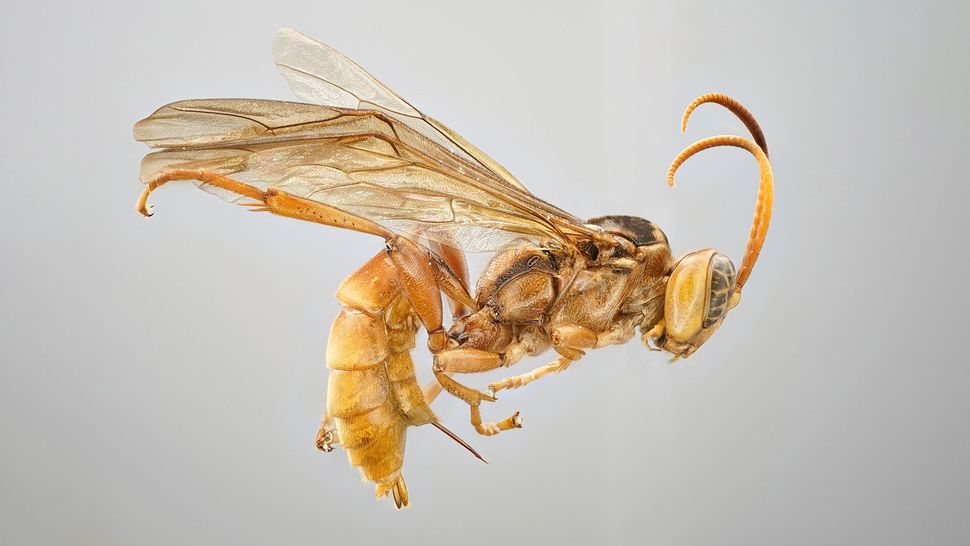
In the Amazon there’s a somewhat horrifying parasitic wasp (below) with a huge head, and it is just one of over 100 newly discovered species.

This is somewhat bizarre … it seems that starfish are just a large, flattened head, with no body. [££££]


Health, Medicine

Scientists seem to have worked out why some people get headaches from drinking red wine.

And now we have three items for the female population …

In the first, OB/GYN Dr Jen Gunter tries to once and for all explode the myth of menstrual synchronization.

Dr Gunter then looks at the sense in poking garlic up your vagina.

Finally academic sex researcher Dr Kate Lister tests oral probiotics for vaginal health. [££££]


Sexuality

And now on to actual sexuality … in which Dr Emily Nagoski looks at some approaches to sex for the disabled.

Expert sex therapists suggest the usual 20 ways to revive your flagging libido.


Environment

On the interaction between wild pigs and golf courses.


Social Sciences, Business, Law, Politics

Why is there this assumption British voters become more Conservative with age – and is it true?

Let’s obscure the players’ genders and then see how men’s and women’s soccer compare.


Art, Literature, Language, Music

Archaeological finds are revealing that art is much older than our species. [LONG READ] [££££]

There’s a boom in people taking up life drawing.


History, Archaeology, Anthropology

Near China’s “Terracotta Army” archaeologists have uncovered the remains of a 2000-year-old sheep-drawn chariot.

Moving west, a large number of clay stamps used to seal Roman documents (above) have been discovered in Turkey.

Meanwhile off the coast of Sardinia divers have discovered around 50,000 Roman coins.

A cartographer has created a London Underground style map of Britain’s Roman Roads.

Excavations around Sutton Hoo in Suffolk continue to turn up suprises. One latest find is the remains of what might be an early 7th-century temple.

Coming gradually up to date … A hoard of medieval pennies dating from the reign of King Stephen has been found in Norfolk.

In Germany they’ve found a centuries old grave containing a skeleton with four prosthetic fingers.

Dr Eleanor Janega takes reveals the real story behind the killing of Joan of Arc.

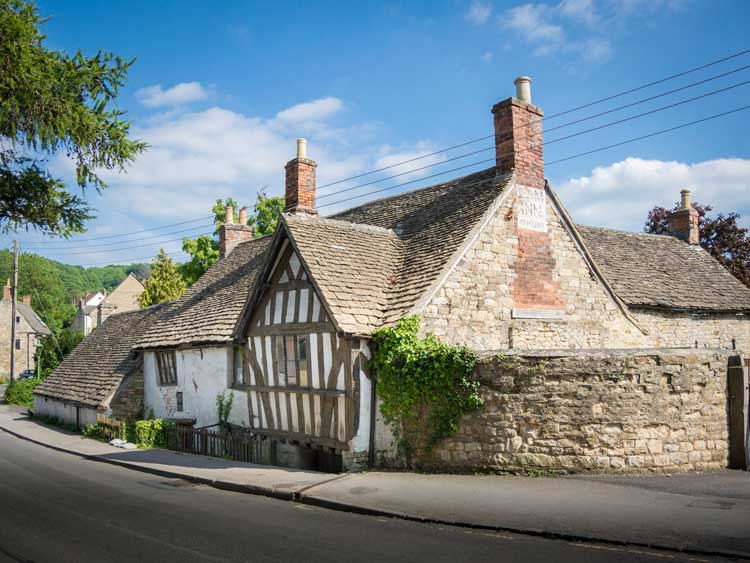
Forensic research proves that the Ancient Ram Inn in Wotton-under-Edge (above) is old, but not as old as is made out. [LONG READ]


London

Here’s a look at the life of Wenceslaus Hollar who is best known for his panoramic views of 17th-century London (below).


Food, Drink

The convoluted story of the sandwich called Gua Bao. [LONG READ]


Lifestyle, Personal Development, Beliefs

Mathematician Kit Yates looks at whether the time has come to stop changing the clocks twice a year.

Cheese-rolling, straw bears and weird rituals: one man has made it his life’s work to record the whole of British folklore, and he now has a massive collection.

There’s a collection of walks around the UK’s strange and sacred sites.

Returning to sex researcher Dr Kate Lister, she’s written about growing out her pubic hair for the first time in 20 years. [££££]


Shock, Horror, Humour, Wow!

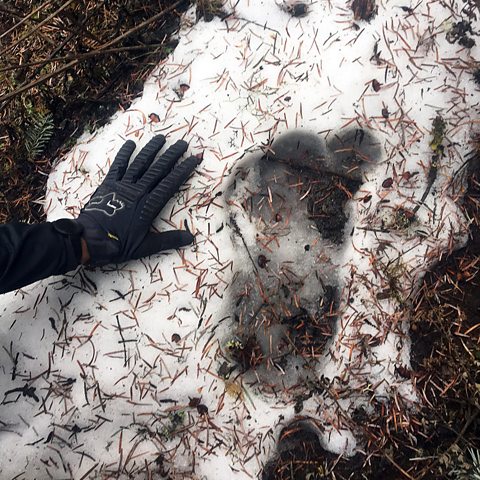
And finally, in a surprise revelation it has been discovered that a supposed Yeti hair actually belonged to a horse.

Culinary Adventures #104: Apples in Nightgowns

This is an old recipe, but one I’ve not tried before. I’m not a fan of the simple baked apple, but I’ve had Apples in Nightgowns in the past (thanks Robert & Theo, wherever you are now) I know how good they can be. So having plenty of apples, a block of pastry and the end of a jar of mincemeat I figured I’d make up my own version.

To get us started, here’s a traditional German recipe. But like most things around here it’s almost infinitely flexible.

Apples in Nightgowns
[Image from the recipe linked above]

Apples in Nightgowns

Serves: 4
Preparation: 20 minutes
Cooking: 40 minutes

Ingredients

  • 4 good sized eating apples
  • 500g block of puff pastry
  • about a tbsp mincemeat for each apple
  • 2 tsp granulated sugar for dusting
  • 2 tsp icing sugar for dusting (optional)
  • flour for rolling
  • milk (or beaten egg) for glazing

What to do …

  1. Pre-heat the oven to whatever temperature the pastry needs, and prepare a baking sheet lined with baking parchment.
  2. Peel and core the apples being sure to keep them whole. If you wish dip the apples in a drop of lemon juice or water to prevent them browning.
  3. Roll out the pastry; it needs to be very thin to be large enough for four apples. Cut the sheet of pastry into four squares.
  4. Place an apple on each square of pastry and fill the core hole with mincemeat; pack the mincemeat in well with the end of a wooden spoon (or similar pusher); it doesn’t matter if it overflows the top.
  5. Wash the pastry with milk (or egg) and wrap it neatly over the apple to enclose it.
  6. Place the enveloped apples on the baking tray; glaze with milk (or egg); and sprinkle with a little granulated sugar.
  7. Bake for 10 minutes at the pastry temperature; then turn the oven down 20°C and bake for a further 20-30 minutes until golden brown and the apple has had time to cook through.
  8. Dust with icing sugar and serve hot or cold with, for preference, double cream.

Notes

  1. As the original recipe implies, you can stuff the apples with almost anything of your choice: fruit & nuts, marmalade, jam, mincemeat …
  2. I used puff pastry because I happened to have some; shortcrust should work just as well.
  3. Traditionally this is made with cooking apples, but they’ll likely need a bit more sweetening than I’ve used here (although the mincemeat was pretty sweet).