Tag Archives: thoughts

HS2

I’m deeply sick of the vanity project called HS2. And today Simon Jenkins has a piece in The Guardian also decrying the project.

I’ve been saying this, or something like it, since the outset. This money could have been (and still could be) much better spent on upgrading the existing rail infrastructure across the whole country and likely at half the cost. Instead we have a Tory party (from recollection it was George Osborne) vanity project, which has conned every successive government, and for which IMO there was never a business case. It’s not too late to pull the plug and avoid an even greater waste of money and environmental destruction for something we don’t need.

Moreover we must be the laughing stock of the world when it takes us 30+ years to build a railway line.

I despair of this country!

On Oil and Ethics

“Europe will suffer jet fuel shortages in just three weeks if the Strait of Hormuz does not reopen”, Airports Council International (ACI) Europe has said, “particularly with the approach of the summer tourism season”.

Oh good!

We have to find a way to stop people, and freight, flying. We’ll never get close to Net Zero if we don’t.

Forget all the hype around Aviation Biofuel; opinion suggests that there will be too limited a supply and it will be too expensive (see here, for example).

Flying people and stuff around the world to the unnecessary extent we do is just not sustainable.

Moreover, although it is slowly being cleaned up, shipping is no better, given the bunker fuel most big ships still run on.

No, I’m not saying we have to stop flying (or shipping) entirely, but we need to be much more circumspect and use it only where really necessary. We need to go back to making and growing as much as we can as locally as we can – accepting that there are some (pseudo-)essentials of modern life that we can’t.

As I’ve asked before … Do you really need to fly to Australia, or USA, just for a 2 hour meeting with a client (which could just as easily be done over a video call), because the client says so? That’s a question of skewed business and management ethics.

Why do we ship, for example, wine, apples and lamb from the Antipodes – or airfreight runner beans from Kenya – to UK when we have lots of these commodities on our doorstep in Europe, if not at home. In reverse why do we fly long-haul for a few days break? These are questions of skewed marketing and consumer ethics.

We need to update our ethics – both personal and societal. Maybe an oil crisis will help the paradigm shift.

On Spiteful Sniping

I’m heartily sick of the media. The entire media. All they appear to do is to snipe spitefully (often without much apparent evidence) at those in power, with the aim only of getting them out of office. There is little or no regard for actual policies or what our leaders are genuinely and reasonably trying to do. Instead it is all about personal smears, and stirring up hatred, to undermine positions.

If the UK media manage to get Kier Starmer – or any member of the government – out of office it will be as a result of a spiteful, vitriolic smear campaign, and not because of the government’s policies and attempts at reform.

By all means criticise the government’s (or indeed anyone’s – it isn’t just government, but anyone with any power/influence) policies and attempts at reform. That’s how democracy should work. Then allow the electorate decide.

Yes, of course people make mistakes and errors of judgement. Find me someone who hasn’t. That is not something which warrants vitriolic, hateful, smear campaigns – nothing justifies such. We must allow people to acknowledge their errors, learn from them, and move on. Doing so will allow people to develop with compassion, and without trauma; we’ll stop wasting time and emotional energy; and we’ll make a lot more progress in a more peaceful, relaxed and thoughtful world.

So stop the spite and the vitriol.

Just shut the fuck up and let people get on with their jobs.

Nudity & Society IV: Useful Links

This is the last of four posts addressing nudity and society. The first three in the series will stand alone. These three articles are not fully referenced, hence this fourth and last article contains a selection of useful links supporting aspects of the first three articles. In addition a Google search on “nudity society body acceptance” (or similar) will find many additional articles (academic and otherwise) relevant to the whole series.


Read Article I. Read Article II. Read Article III.


The links below are presented without commentary, in order for readers to make their own judgement of the arguments presented (as is indeed true for the previous three articles). Some of the linked items present academic research; while many are opinion pieces which appear to be grounded in verifiable fact. However, as with all such opinion pieces, caveat emptor applies.


British Naturism, https://www.bn.org.uk

International Naturist Federation (INF), https://inf-fni.org

British Naturism Written Evidence to Parliament, 2020, https://committees.parliament.uk/writtenevidence/16087/pdf/

Why is Nudity Such a Big Deal?, https://kamilamurko.substack.com/p/why-is-nudity-such-a-big-deal

Why has nudity been a strong taboo in most societies for so long?, https://naturistplace.substack.com/p/why-has-nudity-been-a-strong-taboo

Benefits of social nudity: stress reduction, general health, https://naturistphilosopher.wordpress.com/2015/03/12/benefits-of-social-nudity-stress-reduction-general-health/

Beyond Hypocrisy and Fear, https://kamilamurko.substack.com/p/beyond-hypocrisy-and-fear

We Left Shame Behind… and We’re Not Going Back!, https://ournaturistlife.substack.com/p/we-left-shame-behind-and-were-not

The naked truth – research finds nudism makes us happier, https://www.gold.ac.uk/news/naked-and-unashamed/

I Feel Better Naked: Communal Naked Activity Increases Body Appreciation by Reducing Social Physique Anxiety, https://pubmed.ncbi.nlm.nih.gov/32500740/

On Nudity and Naturism, https://zenmischief.com/on-nudity-and-naturism/

Naked and Unashamed: Investigations and Applications of the Effects of Naturist Activities on Body Image, Self-Esteem, and Life Satisfaction, https://link.springer.com/article/10.1007/s10902-017-9846-1

The Naked Truth About the Sauna, https://kamilamurko.substack.com/p/the-naked-truth-about-the-sauna

Hate Your Body? Public Nakedness Might Change That, https://www.psychologytoday.com/gb/blog/all-about-sex/202211/hate-your-body-public-nakedness-might-change

How to Normalize Naturism in Modern Society, https://justnaturism.com/how-to-normalize-naturism-in-modern-society/

The Naked Truth: How Desexualizing Nudity Builds a More Civilized Society, https://medium.com/@LazySith/the-naked-truth-how-desexualizing-nudity-builds-a-more-civilized-society-31ac0c574b64

Naturism, Sex, and All the Messy Bits We’re Not Supposed to Say Out Loud, ttps://ournaturistlife.substack.com/p/naturism-sex-and-all-the-messy-bits

When “Nudity Equals Sex” Stops Working: What Sparks Desire Instead, https://ournaturistlife.substack.com/p/when-nudity-equals-sex-stops-working

How a Lack of Healthy Nudity Exacerbates Body Dysmorphia and the Hypersexulisation of Society, https://www.beaconssaministry.org/musings-of-a-queer-saint/lack-of-healthy-nudity-effects

Desire Isn’t a Committee Decision, https://kamilamurko.substack.com/p/desire-isnt-a-committee-decision

The Difference Between Skin and Performance, https://kamilamurko.substack.com/p/the-difference-between-skin-and-performance

Beyond Hypocrisy and Fear, https://kamilamurko.substack.com/p/beyond-hypocrisy-and-fear

A History of the Nude in 10 Works, https://www.sothebys.com/en/articles/a-history-of-the-nude-in-10-works

BN Children Deserve Better Report 2016, https://www.bn.org.uk/files/file/740-bn-children-deserve-better-report-2016/

Does nudity harm children?, https://www.planetnude.co/p/does-nudity-harm-children

Think of the children!: Relationships between nudity-related experiences in childhood, body image, self-esteem and adjustment, https://onlinelibrary.wiley.com/doi/10.1111/chso.12743

Naturism and religion, https://naturistplace.substack.com/p/naturism-and-religion

Naturism needs YOU to fight groundless nudity taboos, https://naturistplace.substack.com/p/naturism-needs-you-to-fight-groundless

Nudity and Naturism Quotes, https://zenmischief.com/nudity-and-naturism-quotes/

Nudity & Society III: Normalising Nudity in Daily Life

This is the third of four articles addressing nudity and society. Although a series, the first three will stand alone; the fourth article will be a selection of useful supporting links. Consequently there will be overlap of material between the articles. The articles are not fully referenced (hence Article IV), although a Google search on “nudity society body acceptance” (or similar) will find many articles (academic and otherwise) relevant to the whole series, starting perhaps with British Naturism’s 2020 Submission to Parliament.


Read Article I. Read Article II.


Have you ever felt discomfort when discussing nudity? So often shroud of shame descends, dictating how we view our bodies and those around us.

But in a world where we celebrate openness and authenticity in so many areas of life, why not strip away the stigma surrounding our most natural state?

So let’s look at how, and why, normalizing nudity fosters body positivity, enhances personal freedom, and ultimately leads to a more accepting society.

Nudity has long been wrapped in layers of taboo and societal norms, making it a controversial topic. For many, the mere mention of nudity conjures up overly sexualized images or simply uncomfortable ones.

But what if embracing our natural state could instead lead to greater acceptance and understanding?

The idea of normalizing nudity isn’t only about shedding clothes; it’s also shedding the insecurities. Acknowledging – even celebrating – nudity can foster a more open-minded society; a world where nudity is viewed through a lens of body positivity and mental well-being, rather than as something to be idolised or demonised.

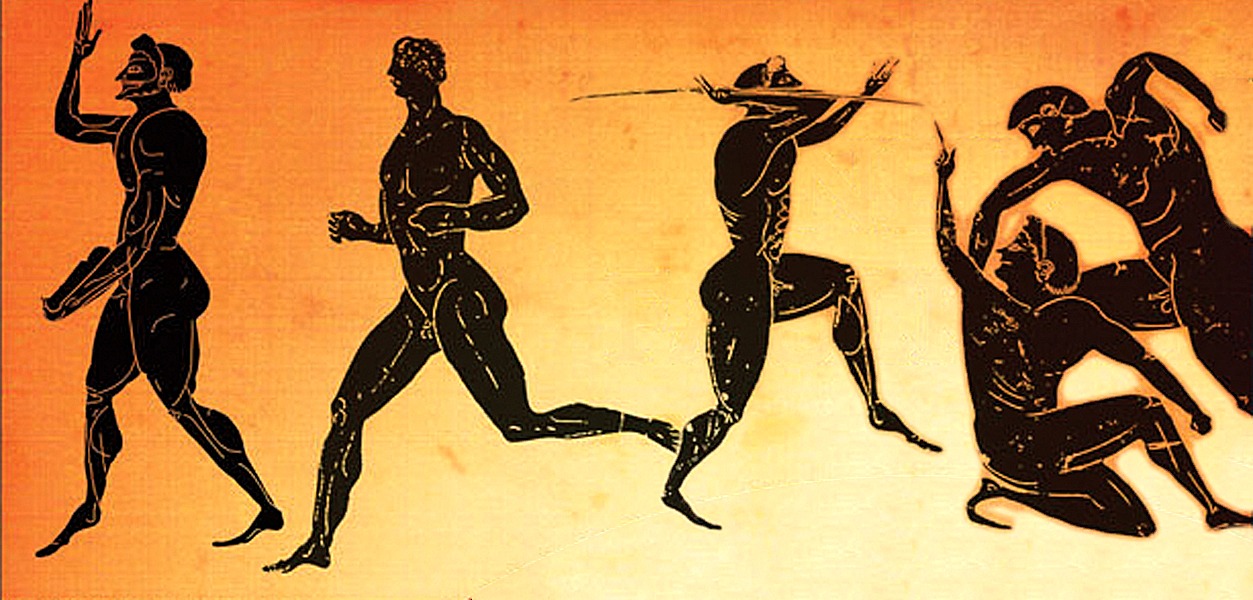
nude athletes on a Greek vase

Throughout history, nudity has been perceived differently by different cultures. In Ancient Greece the nude was celebrated as a symbol of beauty and athleticism. Sculptures depicted the human form in its natural state, emphasizing ideals of strength and aesthetics.

Many indigenous cultures accept nudity as part of their daily lives, seeing it as harmony with nature, rather than something to be hidden or shamed.

By contrast, during the Victorian era, society imposed strict clothing norms, associating nudity with shame and immorality – a shift which marked a significant change in how bodies were viewed publicly and privately.

Nevertheless art movements like Impressionism highlighted the naked body without sexualizing it. Artists captured raw human experience through depictions of vulnerability and authenticity.

painting of two naked girls, back to viewer, preparing to bathe in a wooded stream

These varied perspectives show that attitudes toward nudity are not fixed but evolve over time and in different cultural contexts.

Embracing nudity can lead to a real sense of freedom. When we shed clothing, we also cast off society’s expectations, fostering self-acceptance and confidence in our bodies.

Psychologically, nudism encourages body positivity, and breaks down barriers created by unrealistic beauty standards. Nudists regularly report higher levels of happiness and reduced anxiety about their appearance.

Physically, spending time without clothes promotes skin health. Sunlight is beneficial when enjoyed responsibly, providing vitamin D while promoting an appreciation of one’s body. Air and sun help to reduce skin problems such as fungal infections.

Communal nude activities strengthen social connections. Such shared experiences create bonds beyond the superficial judgments which are so often tied to attire or fashion choices.

Many people have fears about nudity which are rooted in misconceptions. One common worry is that being naked equals being sexual, as I discussed in the second post. This belief creates unnecessary shame and discomfort around the human body, as well as promoting indecency or immorality. In reality, the vast majority of nudists embrace their lifestyle for its focus on freedom and self-acceptance – not for any inappropriate reasons.

It is often thought nudity leads to objectification; but the opposite is true. When practiced respectfully, nudity leads to an appreciation of bodies for their diversity rather than being judged.

Worries about vulnerability also surface. But again, embracing nudity empowers individuals to confront insecurities head-on, thus promoting confidence over fear.

Such misunderstandings fuel the taboos surrounding nudity. By addressing these fears we pave the way to healthier attitudes about bodies (ours and others).

Teaching children about body positivity is essential in nurturing their self-esteem. When kids learn to appreciate diverse bodies, they develop a healthier relationship with themselves and others. Research has shown many times that children are noticeably unfazed by nudity until adults teach them otherwise.

Conversations around nudity foster acceptance of all shapes and sizes. Normalizing different body types helps banish the harmful stereotypes that often lead to insecurities.

As an example, in Finland sauna is a way of life, a way of being: families come together; friendships deepen. Nudity isn’t optional; it’s required. Here children learn very early on that nudity isn’t shameful, but natural. People and bodies are respected; not sexualised or judged. It’s all a normal part of being human. Even our scars tell stories.

Encouraging open dialogue creates safe spaces for children to express how they feel about their bodies. This openness builds confidence and resilience against society’s pressures. Moreover, teaching kids the beauty of authenticity fosters kindness towards others. They learn that every body tells a story worth celebrating.

Integration of body-positive messages through books, art, and media is a powerful tool in shaping perceptions. With guidance, children can grow into adults who genuinely embrace diversity, rejecting narrow standards of beauty.

Although embracing nudity can be a liberating experience, it needs to be done with respect and mindfulness.

Start by creating a comfortable environment at home. Maybe designate certain spaces where you feel safe being nude, perhaps your bathroom or bedroom. Incorporate clothing-free practices into your routine: for example skin-friendly yoga in the privacy of your living room, allowing you to connect with your body without distractions.

Another option is joining naturist events or visiting nudist beaches which promote a respectful atmosphere. Such venues provide an opportunity to socialize while embracing nudity in a safe communal setting. Or join art projects that celebrate the human body; drawing or painting nudes helps normalize the beauty of bodies without sexual connotations. Art and nature, as well as everyday life, provide opportunities for nudity without shame.

Conversations about nudity also play a crucial role. Openly discussing our feelings around nudity demystifies it and reduces fear. Encouraging family discussions about body positivity is beneficial. Sharing experiences and feelings about nudity openly (including in an age-appropriate way with children) fosters inclusive attitudes.

Research shows that normalizing nudity can significantly reduce stigma surrounding our bodies. When we embrace nudism, we challenge the unrealistic beauty standards that dominate society. As attitudes shift towards acceptance rather than judgment, people feel less compelled to hide their natural selves. Such cultural transformation builds self-acceptance of our body as well as those of others.

By introducing nudism into daily life – with clothing-optional spaces, family discussions about body positivity, or advocating for less judgment – we pave the way for healthier attitudes towards ourselves and each other. Children who grow up understanding that bodies come in all forms carry this acceptance into adulthood, along with much better body acceptance and openness.

As society evolves, we should promote the idea that our physical selves are not a source of shame, but rather of diversity and individuality. Embracing nudity enables us to appreciate authenticity without necessarily sexualizing it.

Nudity and the philosophy of nudism can transform our relationship with our body, leading to greater happiness and health for all involved. The freedom found in shedding clothes as well as society’s expectations is profound.

As I’ve said before, at the end of the day, we all know what’s under your t-shirt and jeans, my t-shirt and jeans. So why is there a problem?