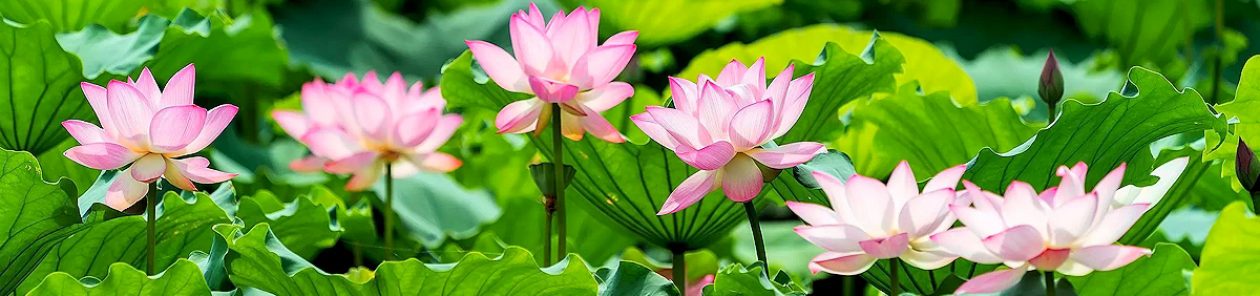

Yay! Spring is definitely here, at last. All the cherry blossom is out; the birch catkins swing low among the new bright green leaves. And the apple blossom is not far behind — if the weather stays fine and warm (which it is forecast to) the apple tree will be in full bloom before the end of the weekend – I can just see pink buds breaking this afternoon. Wouldn’t it be lovely if it stayed like this all summer – warm sun and clear blue skies?!
Category Archives: natural history
Ancient Woodland

Original image “Magic in the Woods” by H2O Alchemist
One of the organisations to which I belong is the Woodland Trust, a charity devoted to the protection of Britain’s ancient woodlands and the creation of new woodland. The latest issue of their newsletter Broadleaf has an article on the importance of biodiversity especially as related to woodland. It contains quotes from zoologist and wildlife presenter Chris Packham, who will be familiar to many in the UK from his TV appearances. Here are some very edited snippets:
In December 2008, Natural England, the Government’s conservation agency, issued a stark warning […] “Large parts of England remain in biodiversity freefall and we are still witnessing alarming declines in species and habitats” […]
[This is not] news to […] Chris Packham […] “It doesn’t just mean rare species, like giant pandas, red squirrels or dormice; areas of high species diversity, such as rainforests or ancient woods; iconic creatures like lions and badgers; or economically important species, like cod. Biodiversity encompasses the diversity of all living things, from human beings to micro-organisms, the diversity of all the habitats in which they live and the genetic diversity of individuals within a species”.
Packham, who is excited by everything that slithers, slimes, scratches and stings, and thus counts hornets among his favourite animals, has a particular axe to grind about what some people call ‘pest species’. “If they exist in your community they do so because there’s a role for them to play […] And if you consider yourself someone who wants to promote biodiversity that has to include everything: pigeons, wasps, rats, the lot”.
He has no time either for those who complain loudly about sparrowhawks preying on garden songbirds. “Having sparrowhawks snatching blue tits from your feeder is a good thing […] sparrowhawks are at the top of the food chain and don’t exist unless there’s enough food around” […]
Biodiversity is a fundamental part of the Earth’s life-support system. It provides many basic natural services for humans, such as fresh water, fertile soil and clean air. It helps pollinate our flowers and crops, clean up our waste and put food [and drugs] on the table […]
“We need to think more broadly about biodiversity, and the simplest way is via healthy habitats […] Ancient woodland […] has more diversity than any other terrestrial habitat, and we should never forget that a third of all species that live on our native trees live on them when the trees are dead or dying”.
This largely reflects my own thoughts and beliefs.
I especially like the comment about sparrowhawks catching songbirds. As Noreen observes: “What are they supposed to do? It’s not as if they can go to Sainsbury’s to buy a cheese sandwich for their lunch!”
I love too the comment on hornets. I meet this horror of buzzy, stingy things all too often: “We’ve got a lot of wasps. How do we get rid of them?” Unless you are life-threateningly allergic to wasp stings (as I know some, like my late mother-in-law, are) the answer is: “You don’t. Leave them alone and they’ll leave you alone. They are wonderful predators and without them we would be knee deep in caterpillars etc.” I’ve actually seen a wasp catch a bumblebee on the wing; bring it down; snip off it’s wings, legs and head; and carry away the body as food for its larvae. That was worth seeing just for the sheer skill and frightening ruthlessness. Wasps (and all this applies equally to hornets) are also brilliant at destroying dead wood: we have some 12 inch-ish diameter cedar logs by our pond; in a couple of years the local wasps have totally destroyed a couple of them; they use the chewed up wood as paper for nest-building. It’s wonderful engineering and recycling!
Nature is red in tooth and claw, and we should cherish and celebrate that. It’s what keeps us alive!
Thing-a-Day #21 : Cyclamen Haiku
Following on from yesterday’s photo of the cyclamen in our garden, here’s a quick linked haiku …
purple flowers
and cyclamen leaves
winter sunshine
Thing-a-Day #20 : Cyclamen

Part of the clump of cyclamen in our garden. It’s been in flower all winter!
Thing-a-Day #11 : Blue Anemone

Single flower from a bouquet my wife was given a few days ago. after having given a lecture.
Thing-a-Day #6 : Yellow Tulip

Yellow Tulip, originally uploaded by kcm76.
I was worried I wouldn’t get to do anything new for Thing-a-Day today (tho’ I do have a few posts on standby from earlier in the week) but here’s a yellow tulip from a bunch of flowers my wife was given a few days ago. Shame the photo is a bit underexposed.
Today's Haiku
filigree birch
green parrot chattering
black crow
Green Woodpecker

This Green Woodpecker was visiting my west London suburban garden earlier today. I certainly don’t see them regularly, maybe just 2 or 3 times a year, and they are always a delight especially when they stay for a few minutes to feed, as this one did.
It’s not a brilliant photo as I was trying to hand-hold my biggest telephoto lens, in poor winter afternoon light, while leaning out of the window.
Advice for Pond Keepers
BBC News today has an item suggesting the the freezing over of ponds is actually good for them, contrary to apparent logic.
I see the basic logic behind the article, emphasising that freezing over could increase the oxygen levels in the water, although I would like to see some evidence of this being true. However as a long-time pond keeper (aka. fish keeper) and as the moderator of an online aquatics forum, I would not agree with a number of the ideeas and suggestons made in the article which I think are potentially misleading (or worse) …
Received wisdom says that pond owners should break a hole in the ice to allow oxygen to reach the water.
NO! Never break a hole in the ice. They get it right later: “make a hole”. Do this either by keeping an area clear (eg. with a football or a pond heater) or by melting a hole with hot water. Never, never smash the ice if there are fish in the pond: the shock wave will likely kill the fish.
Making a hole in the ice makes very little difference to the amount of oxygen in this water
This is probably true, but a hole could make a difference if there is a concentration of other unwanted gasses in the pond water.
The only time that pond owners should intervene is if they own fish, or the bottom of their ponds are full of silt and dead leaves. Then it is worth stirring up the water
Again I would disagree. If you have fish, do NOT stir up the water. The water may be layered into thermoclines with slightly warmer water at the bottom which will benefit the fish. Moreover if you have fish and a silty bottom (!!) then disturbing the debris can release potentially toxic gasses like ammonia – it may also disturb hibernating amphibians. If you’re going to stir up the bottom of your pond to remove detritus, then do it in mid-summer.
2009 Meme
2009 Meme, originally uploaded by kcm76.
This week’s Flickr meme is: For this coming New Year how about 12 pictures, one for each month of the old year (ie. 2009) to represent something about what happened to you that month. Here is my year in 12 pictures.
January: A new project boss; there were no prisoners taken
February: Snow
March: Daffodils; there’s hope at last
April: Spring blossom
May: Anthony Powell Society Collage Event
June: Attended the Garter Service at Windsor, thanks to our friend Richmond Herald
July: The company pension crisis broke, which has led me to early retirement from 5 January 2010
August: Was taken up with preparations for the conference and writing my conference paper
September: While in Washington DC for the Anthony Powell Conference we celebrated our 30th wedding anniversary — eeekkkkk!
October: Anthony Powell Society AGM at which Patric Dickinson (3rd from left in this old photo) spoke interestingly about Dorothy Varda
November: Beaujolais Nouveau est arrivée; an antidepressant is definitely required
December: More snow coincides with my last real working day
All in all an interesting year but a demanding and, at times, a stressful one.
As always the photographs are not mine (except for 3, 5, 10, 11 which are mine) so please click on individual links below to see each artist/photostream. This mosaic is for a group called My Meme, where each week there is a different theme and normally 12 questions to send you out on a hunt to discover photos to fit your meme. It gives you a chance to see and admire other great photographers’ work out there on Flickr.
1. Umm, Jack Hanna sure tastes good !, 2. Snow in the Chilterns, 3. Daffs, 4. Spring in Pink, 5. Power Collage, 6. Img0051768, 7. House of Cards, 8. Balloons just waiting to be blown up, 9. Flower Candy, 10. AP Soc Members at Wysall, 11. Anti-Depressant, 12. gloom, with more sheep
Created with fd’s Flickr Toys