Each month we’re posing five pub quiz style questions, with a different subject each month. As before, they’re not difficult, but it is unlikely everyone will know all the answers – so hopefully you’ll learn something new, as well as having a bit of fun.
History
Who died near Lincoln on 28 November 1290 and was buried 17 December at Westminster Abbey?
Which country has the world’s oldest surviving parliament?
What was ceded to Britain in 1713 as part of the settlement of the War of Spanish Succession?
Who was the first Merovingian King?
Roald Amundsen was the first man to reach the South Pole. What nationality was he?
Our look at some of the significant happenings 100 years ago this month.
1. Born. Frank Worrell, West Indies cricketer (d. 1967)
11. Lee de Forest used his experimental Phonofilm sound-on-film process to film US President Calvin Coolidge on the White House lawn; the earliest sound film footage of an American president.
12. Born. Derek Shackleton, England cricketer (d. 2007)
12. Born. Muhammad Zia-ul-Haq, President of Pakistan (d. 1988)
27. American Telephone and Telegraph Company successfully transmitted a colour photograph from Chicago to New York. It took just an hour.
Is it a fossil? Is it a meteorite? No it’s a meteor-wrong! [££££]
And finally for this section, we go from space to the ocean depths … Oceanographers think they’ve found an unexpected source of oxygen on the seafloor. [££££]
Health, Medicine
Yersinia pestis (aka. plague) is, as its name implies, a pest. And it keeps plaguing humanity.
One Anthropology Professor who studies how environmental stressors affect menstrual cycles (and a lot else) gives some scientific evidence as to why she personally hates tampons.
One researcher claims to have uncovered a late 16th-century secret dossier of Elizabeth I’s spy network. Clearly they’d never heard of Francis Walsingham!
Samuel Pepys, it turns out, isn’t just a diarist and government administrator on th make, but also a connoisseur of fashion.
And coming up to date … Shackleton’s ship Endurance, wrecked in the Antarctic, is to get added protection.
Lifestyle, Personal Development, Beliefs
If you’re one of the many lacking body confidence, here are some ideas which may help you attain it.
And here are some scientific tricks to keep your flower bouquets looking fresh for longer.
Shock, Horror, Humour, Wow!
And finally, something on Larry, Chief Mouser of Downing Street, and other political pets. But there’s no mention of Attlee, the current cat of Mr Speaker, Sir Lindsay Hoyle.
Here’s our next instalment of things that happened in ..24 years of yore.
Notable Events in 1524
17 January. Florentine explorer Giovanni da Verrazzano, on board La Dauphine, in the service of Francis I of France, sets out from Madeira for the New World, to seek out a western sea route to the Pacific Ocean.
17 April. Verrazzano’s expedition makes the first European entry into New York Bay, and sights the island of Manhattan.
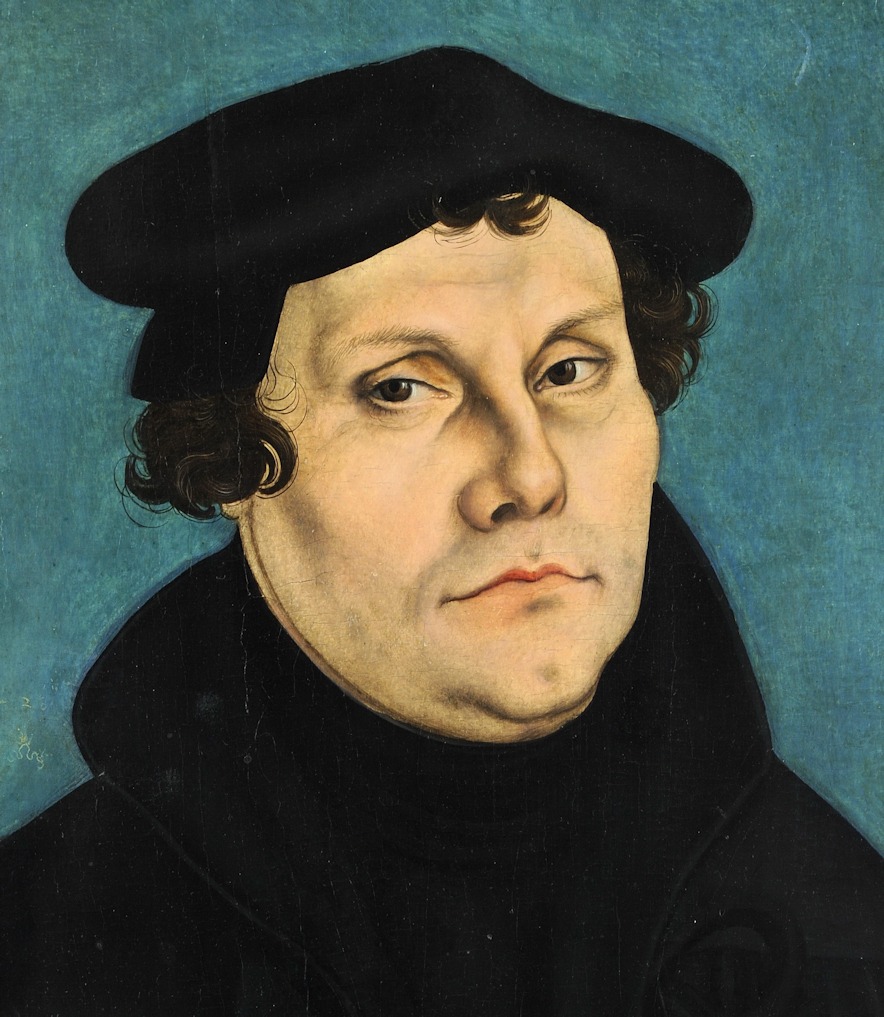
August. Protestant theologians Martin Luther and Andreas Karlstadt have a theological dispute at Jena.
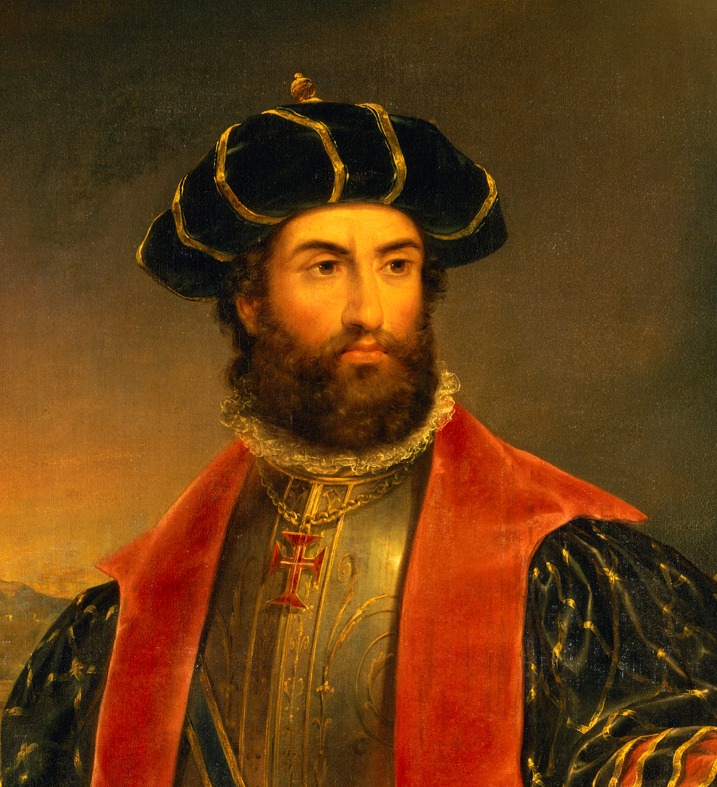
24 December. Death of Vasco da Gama, Portuguese explorer (b. c1469).
Our look at some of the significant happenings 100 years ago this month.
2. Marconi described his new beam system of short-wave wireless transmission at the Royal Society of Arts in London. This could transmit more words per day than previously possible, and more economically, resulting in a general reduction in telegraph rates.
2. Portuguese Prime Minister Álvaro de Castro fought a sword duel with Flight Captain Ribeiro over a political dispute. Ribiero was wounded in the arm.
6. The first photograph is sent across the Atlantic by radio.
10. Denmark gains Greenland when Norway ends its claim.
12. The original trademark application for Kleenex was filed by Kimberly-Clark Corporation.
Hello, good heatwave and welcome, to this months collection of links to items you may have missed but didn’t know you didn’t want to.
Science, Technology, Natural World
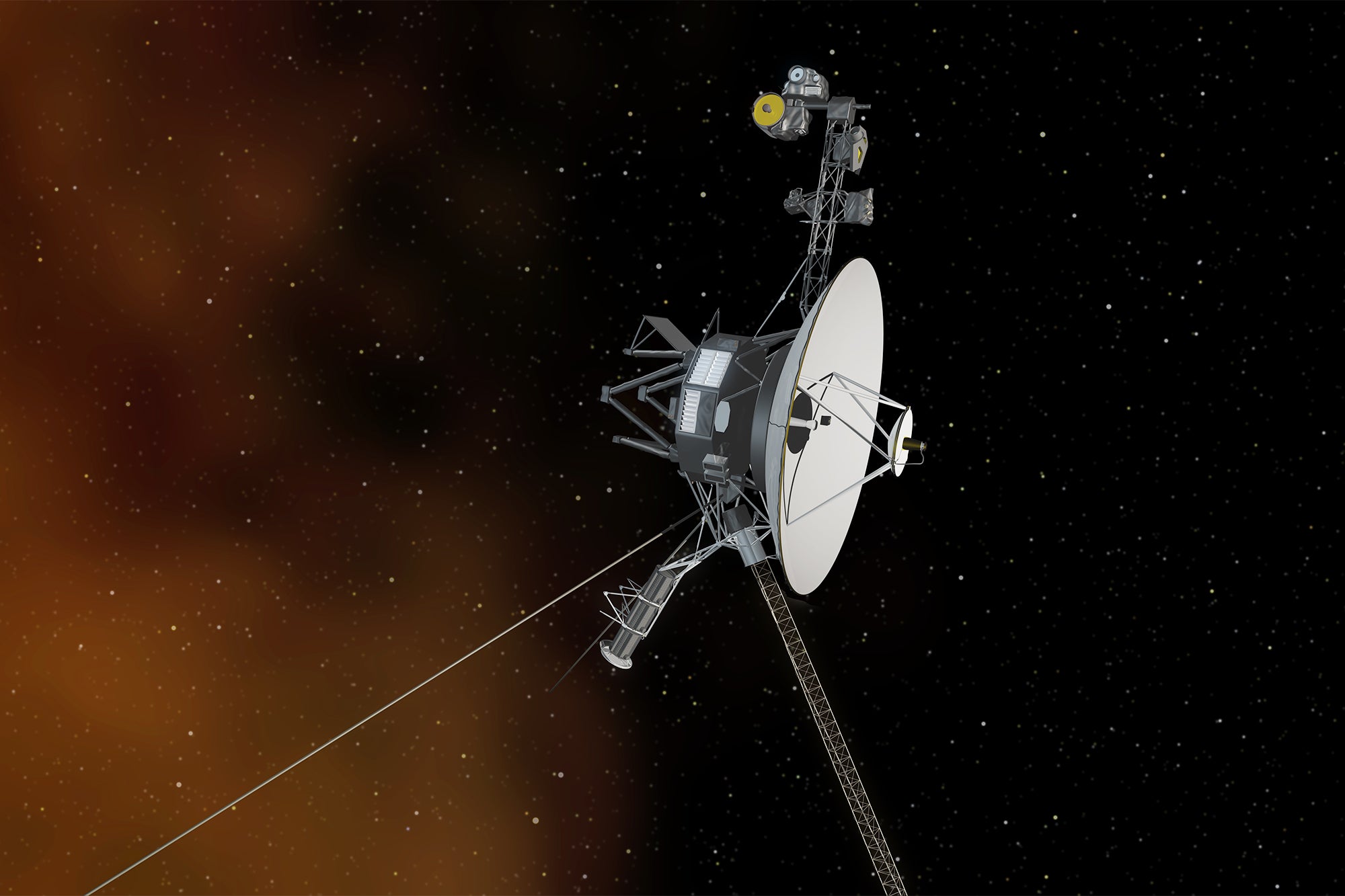
Against all the odds the aging spacecraft Voyager 1 is back on air and communicating intelligibly with ground control. Two items on this from Live Science and Scientific American [££££].
There are currently lots of sunspots and we’re nearing the solar cycle maximum … so the sun’s magnetic field is about to flip.
The search for a planet beyond Pluto has been going on since I was a kid, although astronomers can’t even agree Planet Nine exists, nor what they’re actually looking for.
Even so Planet Nine is amongst eight strange objects which could be hiding in the outer solar system – maybe.
Here’s a BBC News item about the beavers which have been reintroduced less than a mile from my house.
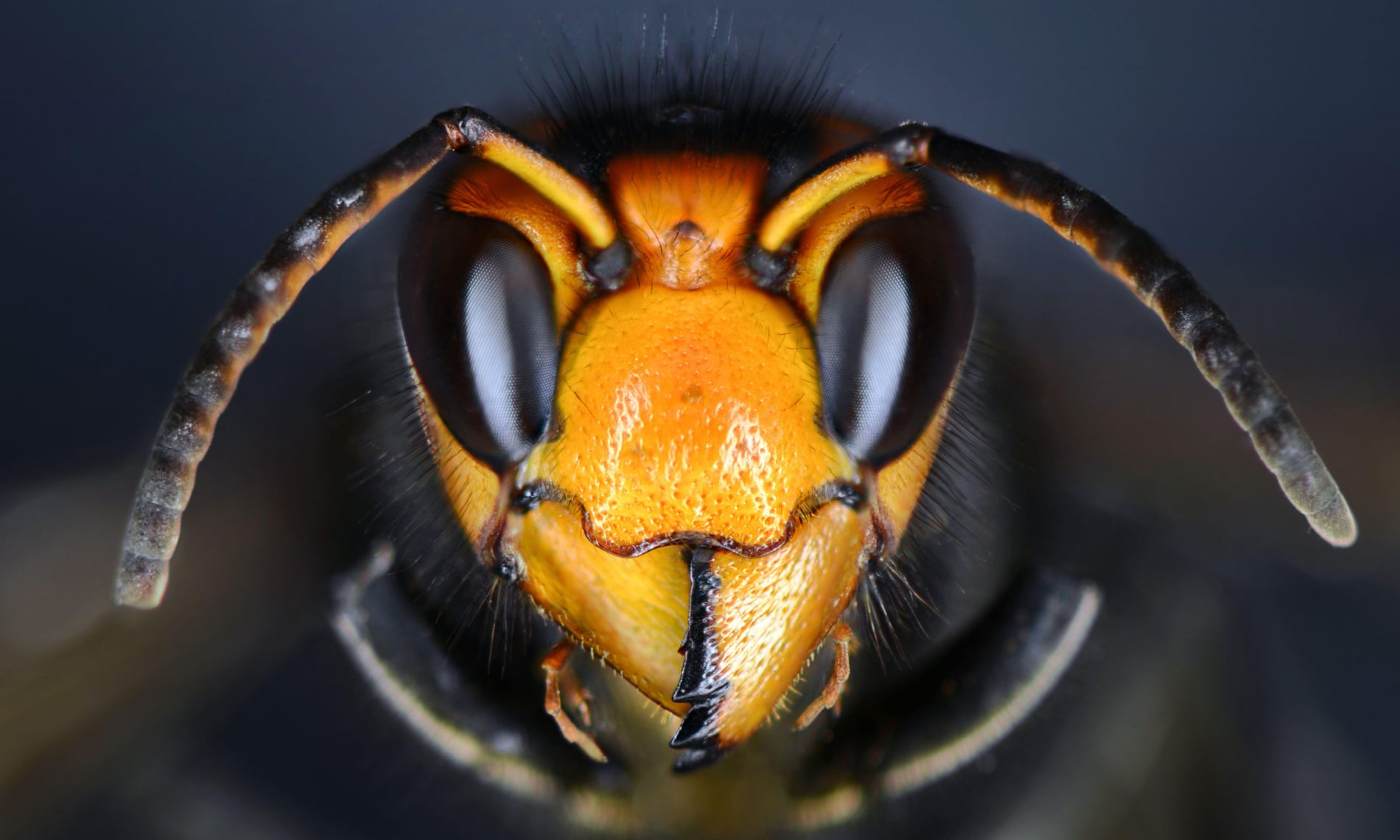
So it looks as if our invasive Asian Hornets have successfully overwintered here, although for some reason the government doesn’t see this as a huge problem!
They look like mini horseshoe crabs … some very rare, very ancient, three-eyed “dinosaur shrimps” (below) have suddenly emerged in Arizona.
How old is that termite mound? Researchers in South Africa have found 34,000-years-old termite mounds, beating the previously known oldest by 30,000 years!
Research is showing that our native wild orchids (not the tropical ones you buy in a supermarket) actually feed their seedlings through underground fungal connections. [££££]
In addition you may have more body parts that you should have!
You should pay attention to your nipples – and this applies you you guys too, not just the gals – as they can tell you things about your health.
A chemist and an epidemiologist take a look at the whys and wherefores of sunscreen.
Apparently 80% of people with sleep apnoea are undiagnosed. Here’s what to look for.
Finally in this section, the little known Oropouche virus is spreading rapidly in South America; although usually mild it can cause serious complications and could become a healthcare emergency.
A cancer diagnosis, or indeed any serious illness, can affect how we approach sex.
Environment
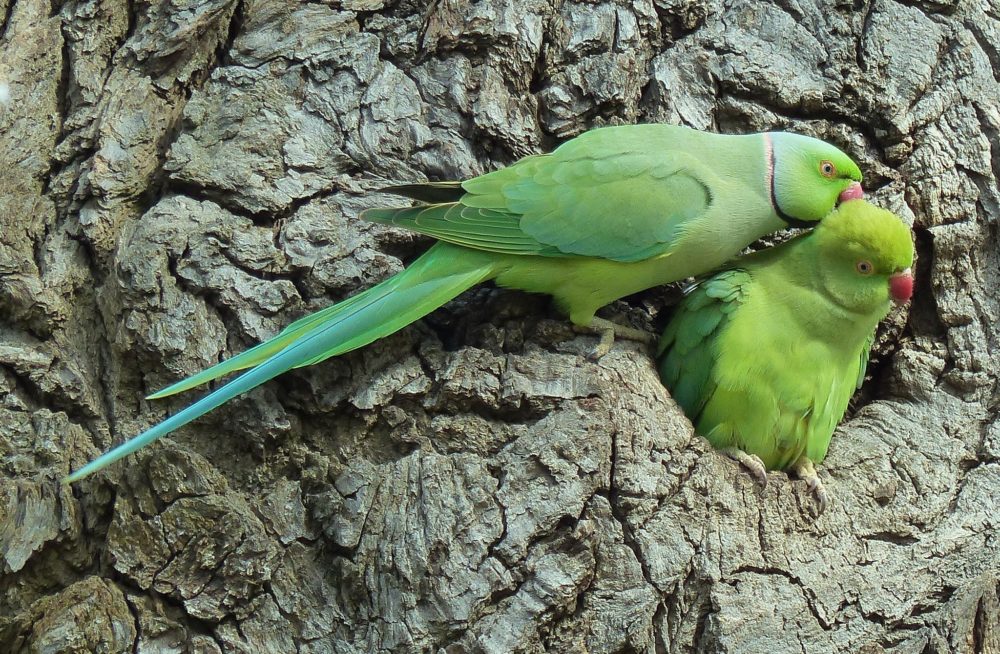
I’m used to seeing green parakeets in my west London garden – they’re noisy, they’re quarrelsome, but they’re colourful and often comic – so how did they actually get here from India?
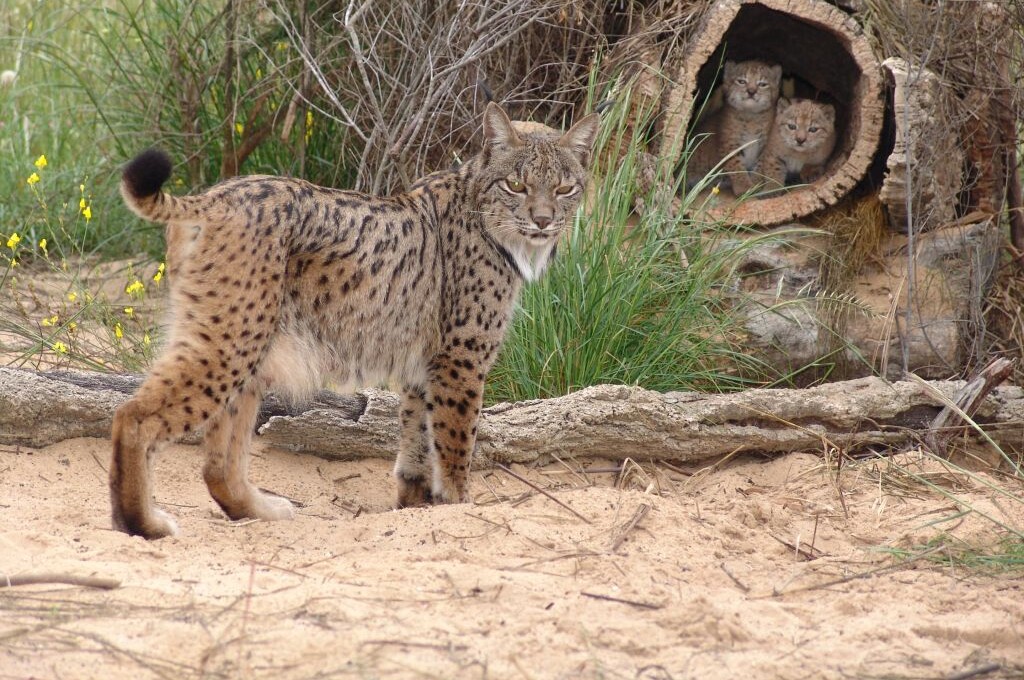
In good news, it seems that the Iberian Lynx, one of the world’s rarest cats, is recovering from near extinction.
Social Sciences, Business, Law, Politics
Kit Yates lays out why it is important for democracy that we have a numerate society.
Scientists have developed a method for making healthier, and more sustainable, chocolate by using the parts of the cocoa pod to replace loads of sugar. But they’ve not yet been able to commercialise it.
Lifestyle, Personal Development, Beliefs
So just what is it really like to live in Antarctica?
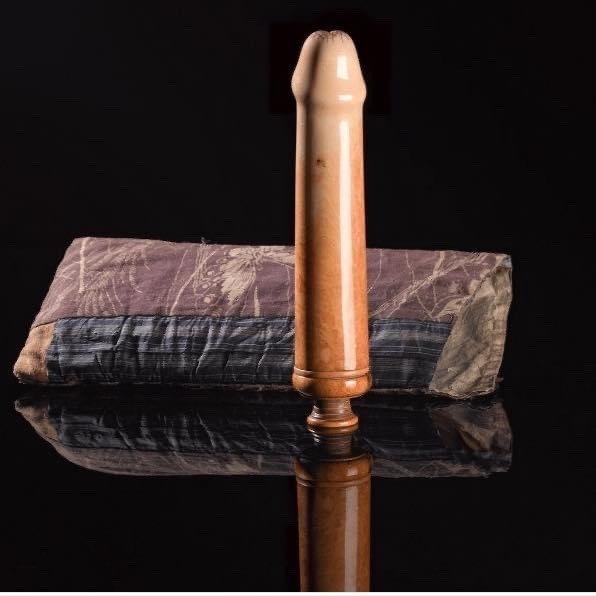
An 18th century CE ivory dildo complete with contrivance for simulating ejaculation and its own discreet cloth bag. Now housed at the Science Museum in London.
Some stupid tourists seem to think that wild animals are cuddlable and cute! Why?
And I’ll leave you this month with two things to try to get your head round …
First, Corey S Powell suggests that, like gravitational waves or ripples in a pond, we are just ripples of information in expanding outwards space-time. I see his point but I’m still trying to work out what it means.
Here’s our next instalment of things that happened in ..24 years of yore.
Notable Events in 1324
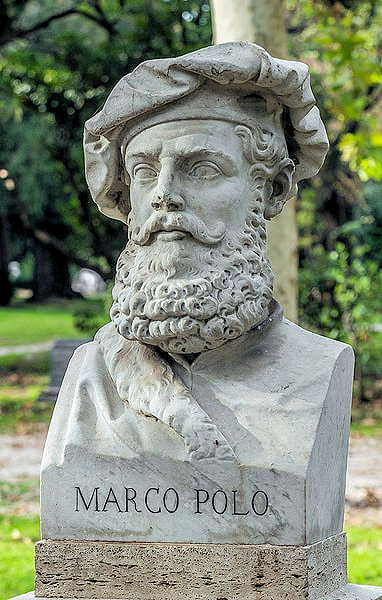
8 January. Death of Marco Polo (below), Italian merchant and explorer (b.1254)
5 March. Birth of David II, King of Scotland (d.1371)
23 March. Pope John XXII excommunicates Ludwig the Bavarian, King of the Germans, for not seeking papal approval during his conflict against his rival Frederick the Fair. Ludwig, in turn, declares the Pope a heretic, because of John’s opposition to the view of Christ’s absolute poverty held by some Franciscans.
3 November. At Kilkenny in Ireland, Petronilla de Meath, the maidservant of Dame Alice Kyteler, becomes the first person in the British Isles to be burned at the stake as a witch. Dame Alice was able to escape and avoid capture.
Unknown Date. Marsilius of Padua writes Defensor pacis (The Defender of Peace), a theological treatise arguing against the power of the clergy and in favour of a secular state.
Unknown Date. William of Ockham, English Franciscan friar and philosopher, is summoned by John XXII to the papal court at Avignon and imprisoned.
Our look at some of the significant happenings 100 years ago this month.
3. Died. Franz Kafka, Austrian author (b. 1883)
5. Ernst Alexanderson sends the first facsimile across the Atlantic Ocean, which goes to his father in Sweden
8. George Mallory and Andrew Irvine are last seen “going strong for the top” of Mount Everest by teammate Noel Odell at 12:50pm; the two mountaineers are never seen alive again
12. Born. George HW Bush, 41st President of the United States (d. 2018)
Despite their size, gorillas have extremely small penises, and it turns out that the genetic mutations which cause this may also help human male fertility.
Scientists have been investigating the vocalisations of sperm whales for years, and some now think that they may be the elements of a language, with dialects.
A new to Britain exotic jumping spider has been found in Cornwall, and it isn’t the only one.
And on the subject of foreign arrivals, the Guardian has a sensible and thoughtful piece about the invasive Asian Yellow-Legged Hornet (Vespa velutina) which has invaded continental Europe and is trying to get a foothold in the UK. [LONG READ]
Here’s the BBC article which triggered my recent blog post on these hornets.
STOP PRESS: The Asian Yellow-Legged Hornet has now been discovered in a southern state of USA (Georgia to be precise)!
Still with wasps … It seems that many parasitic wasps have tamed viruses so they can use them to help subdue their prey. [LONG READ]
From hornets to their forest home … there’s a theory that trees are social and communicate with each other across the “wood wide web” of fungal filaments. But it is only a theory and some are arguing it is fantasy. [LONG READ]
Treat with extreme care … Bloodroot (Sanguinaria canadensis) is quite a pretty American Spring flower. But don’t go messing with it as the roots contain a blood red alkaloid, sanguinarine, which will shut down and kill any cells it comes in contact with, and more.
Most of us guzzle diet drinks and other low calorie goodies, but research is now indicating that the sweeteners are actually harmful to our gut and its microbes.
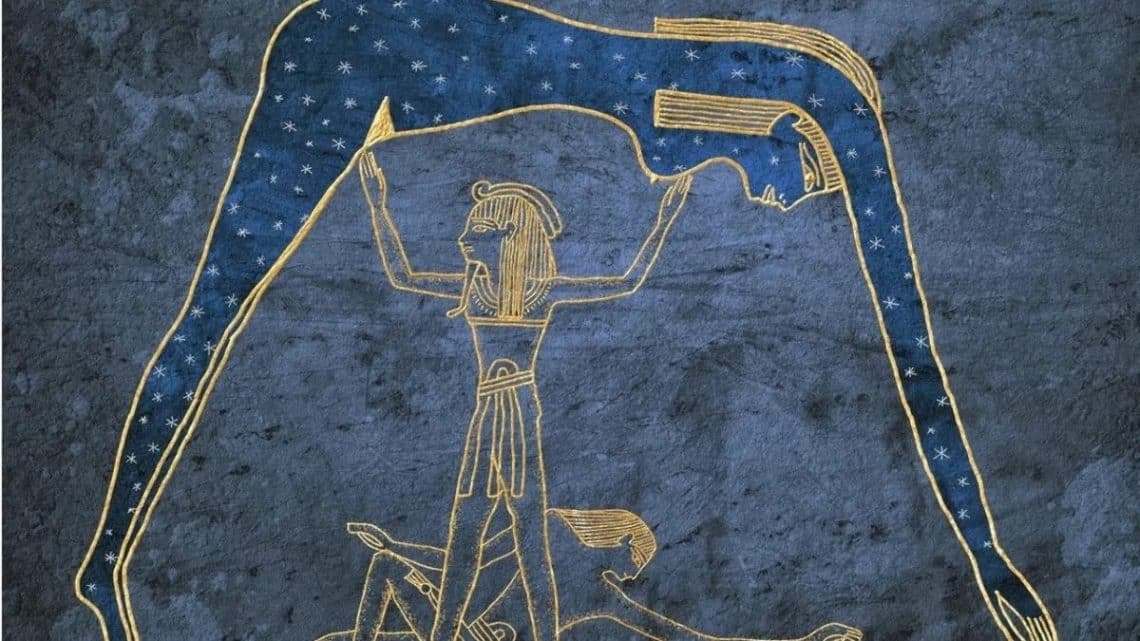
One astrophysicist has been exploring the connection between the Milk Way and Nut, the ancient Egyptian Sky Goddess.
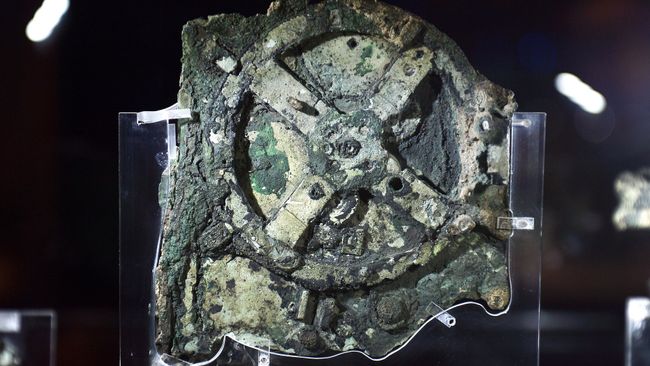
There’s a rare and very strange, apparently Roman, object (below) which was found at Norton Disney, Lincolnshire. The trouble is no-one knows what it is, or was used for, and there are a number of theories.
A 1,700-year-old Roman shipwreck found on the coast at Mallorca was loaded with fish sauce when it sank.
We know there was a thriving, early medieval Norse colony in Greenland, but why did it suddenly vanish in the 13th century?
Here’s our next instalment of things that happened in ..24 years of yore.
Notable Events in 1224
Spring. Falkes de Bréauté, English high sheriff and a rival of Henry III, refuses to relinquish his castles and starts a rebellion. Cardinal Stephen Langton and forces under Hubert de Burgh deal with Falkes and the castles are handed over. Falkes is found guilty of 16 counts of Wrongful Disseisin; both he and his brother William are excommunicated by Langton.
June-August. The garrison at Bedford Castle, belonging to Falkes de Bréauté, refuses to surrender to Henry III. The castle is badly damaged and surrenders when the keep is undermined. The garrison who surrendered the castle are all hanged by order of the king. Falkes is allowed to leave the country but forfeits all his possessions.
Eccentric looks at life through the thoughts of a retired working thinker