James Potts & Sam Cullen
What’s in a London Pub Name
Capital History; 2022
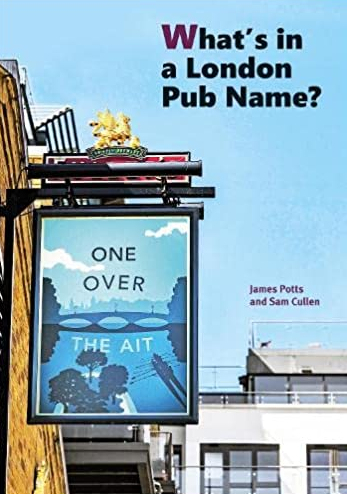 Greater London has thousands of pubs – so many that probably no-one had counted them; and in any event the list would change daily. In 136 pages the authors of this slim volume describe the origins of over 650 of the more unusual or interesting pub names in Greater London – all the way from “Aces & Eights” (Tufnell Park) to the “Zetland Arms” (South Kensington). As one can imagine, at an average of about 5 pubs and a photograph per page, the descriptions are not very detailed. This is a shame, as there is undoubtedly more to be told about most of these names, and many others.
The sheer variety of names is astonishing, from the ubiquitous “Red Lion” to the eccentric “Queen’s Head and Artichoke”. Even so, as the authors admit, the list is far from comprehensive. They’ve set out to document those names with an interesting story and consequently have omitted many of the more obvious, like the “Queen Victoria”.
Sadly though I came away with one (or maybe it is actually two) criticisms. There are too many new names: for example the ubiquitous Wetherspoons “Moon” names (historic, not!) creep in, although thankfully the “Frog and …” names don’t get a mention. Against, or maybe because of, this the authors’ stated omission of many more common or obvious names does mean there is too little on the historic origins of pub names, which are often rooted in heraldry or other medieval/early modern symbolism or celebrity: are all the “Queen Victoria” pubs really named for our 19th-century monarch? Something more comprehensive would, for me at least, have been more satisfying.
Nevertheless, this is an interesting and well produced little paperback, but I have my doubts as to how long the spine will last with even moderate use. It is eminently suited to being dipped into – although you’ll find (as I did) you can read it from cover to cover! At £9.99 from Amazon (other suppliers available), it would make a great stocking filler for the London, or pub, aficionado.
Overall Rating: ★★★★☆



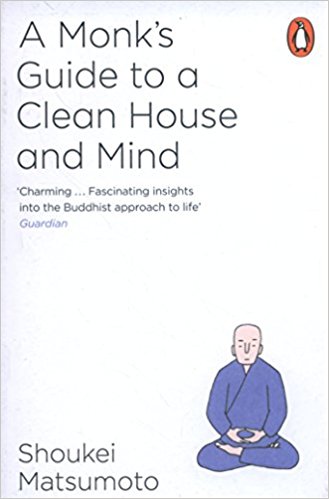 This is a curious little book which does very much what it says in the title. It is about cleaning, as zen monks do it in the monastery, as well as meditation. The life of the zen monk is hard – much harder than we realise; for another perspective see
  Kate Bennett (Editor)
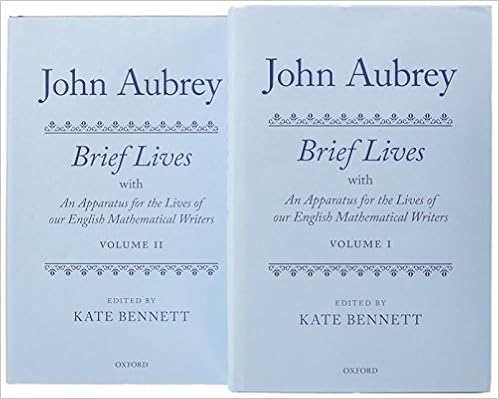 No, almost 2000 pages is not an exaggeration. Amazon quotes the work as being 1968 pages. So no wonder OUP have split the paperback edition into two volumes.