Here’s a nice summery shot for this week. Taken in our front garden.

Holly Blue Butterfly on Hebe
Greenford; July 2011

Here’s a nice summery shot for this week. Taken in our front garden.
Looking back over the last week …
UP
Lovely warm weather. If anything it is slightly too warm, but better that than cold, grey, wet and windy. And it is so lovely and warm that all the windows are open, so lots of nice fresh air — well what passes for it within 20 miles of central London. I do feel so much better in this weather; why can’t we have it all the year?
Several totally blank days in the diary; all rather unexpectedly. This has meant not too many early mornings and some extra quality sleep. That with the nice weather means I feel more like getting on and catching up with lots of the jobs I need to do.
 Went to the local Healthwatch AGM on Tuesday. Overall a good meeting, with an excellent facilitated session (for 100-ish people) on Healthwatch priorities for the next year — lots of good input and not too many time-wasters. Hopefully I’ll get to see the results and help set the top priorities next week. Had a well-deserved pizza and beer after the meeting — can’t remember when I last had pizza!
New mobile phone. I finally went for a Samsung Galaxy S4 which is a nice animal — it has just about everything the Galaxy S5 does and is about £200 cheaper! And moving my existing number from Virgin to Three went smoothly. I can’t believe how much cheaper Three are! At the end I had just over £20 left on my Virgin PAYG account, so the London Air Ambulance got a donation.
DOWN
Virgin being difficult about providing an unlock code for my old Samsung Galaxy S2. I don’t think they’re unwilling, just slightly disorganised, not communicating what they’re doing and having to be chased.
Also had an argument with my health insurance provider over whether they’ll cover some (probably non-dental) work in my mouth. Finally got them to see that it may not be dental and they agreed to cover at least the diagnostic phase — which is as much as they’ll ever do in one go. I don’t like having to be (politely) stroppy, even if I do get a result.
 While the warmth of the weather is lovely, I don’t like the humidity, which does somewhat take the starch out of one. And despite the nice weather for some reason I can’t fathom I’ve been struggling more than usual with depression for the last few weeks. Hard to get off my rear-end and do anything. (Well, OK, no change there!) But of course the humidity isn’t helping; nor are my arthritic knees. Must keep doing, though. Must not rust up.
Paperwork. All I do seem to be doing is paperwork and more paperwork. Well I suppose I shouldn’t be so good at writing reports and running meetings etc. But with everything else, I keep putting off preparing meetings.
50% needing ice cream
20% paperwork
20% depression
10% aches and pains of getting old
Chiswick Flyover in west London was apparently opened in September 1959 by Hollywood actress Jayne Mansfield (picture below). No, I don’t know why either, but you can find more details at www.stmgrts.org.uk/archives/2009/09/jayne_mansfield_and_the_chiswick_flyover.html
This week another from the archives. I spotted this enormous cup and saucer last summer in the window of Alice’s Shop, in St Aldate’s, Oxford. And yes, that is a normal sized cake stand next to it!

Another in our series of links to items you may have missed, but which I found for you.
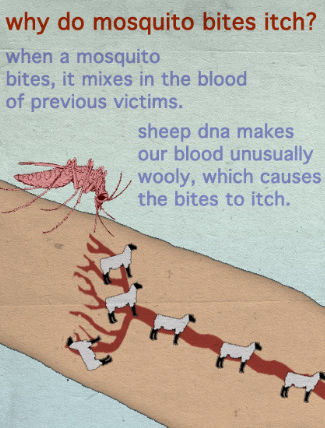
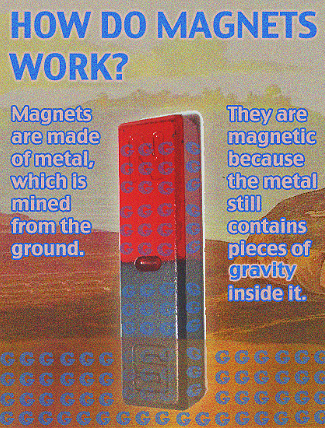
First off let’s kill off a few common science myths which most people seem to believe but which are, well, myths.
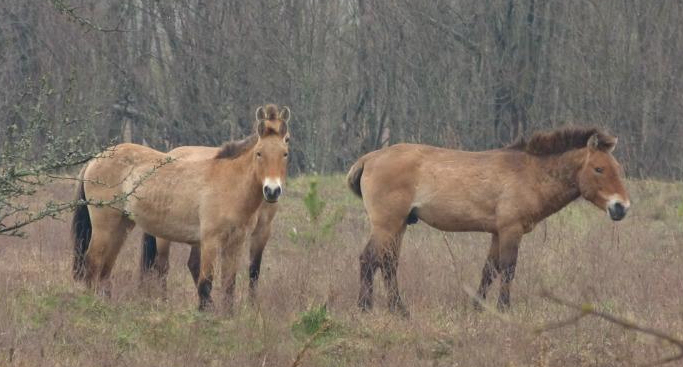
This week two interesting science factoids …
So, here’s my list of ten things for July.
10 Trees in My Garden: