Category Archives: natural history

Monthly Links

OMG! Have we got a packed full box of links to items you may have missed this month. So let’s dive in …


Science, Technology, Natural World

Why do we find the quantum world weird? According to Carlo Rovelli we wouldn’t if we accepted that objects don’t exist. Prepare to have your mind addled! [LONG READ] [£££]

According to one expert extra-terrestrial life may not be all that alien.

Most of us have heard about near death experiences, and some have experienced them … but what do they mean? [LONG READ]

On carrots, colour, chemistry and vision.

Covid-19 variants may be causing heart problems in pets.

Catnip repels insects (and is loved by many cats). Scientists are beginning to unravel how the insect repellent action works.

Years ago, the Horniman Museum in south London bought a piece of rock, and unknowingly imported some prolifically breeding small shrimp with it. So they were feeding the shrimp to many of their fish. Turns out the shrimp was a hitherto unknown species!

Meanwhile Japanese scientists have looked at the bacteria in 100 million-year-old ocean sediment cores … and found the bacteria they contain can be brought back to life!

How does an octopus sleep? With short bursts of frenzied and colourful REM-like sleep.

From water … to air … Wisdom the albatross, the world’s oldest known wild bird, has another chick at age 70.

… to land … It is generally accepted that Tasmanian Tigers are extinct. But people still think they see them and that they’re still alive.


Health, Medicine

It is becoming well understood that reproductive problems in both men and women are increasingly common. Hormone disrupting chemicals in the environment seem to be at least partly to blame. [£££]


Sexuality

A look at asexuality and its recent increase.

While at the other end of the scale, many of us have declining libido, and want it back …

… One way might be to hang pubic hair paintings in your living room. [LONG READ]


Environment

New bye-laws ban trawl fishing off the Sussex coast with the aim of allowing the kelp forests to regenerate.

10 years on there have been a number of review articles about the 2011 Fukushima disaster. Here is a selection:
•  Japan marks 10 years since the disaster killed 18,500 people.
•  What happened at the nuclear plant?
•  How locals are returning after nuclear disaster. [£££]
•  UN report says Fukushima radiation did not damage health of local people.
•  But one ocean scientist is still worried.


History, Archaeology, Anthropology

Archaeologists in Egypt have found what may be the world’s oldest pet cemetery.

Scientists thing they’ve finally unlocked the secrets of the Antikythera Mechanism using computer modelling.

You always wanted to know the grisly details of Roman murder, didn’t you?

Still in Roman times … it has been calculated that when Vesuvius erupted in 79AD it killed the inhabitants of Pompeii in 15 minutes.

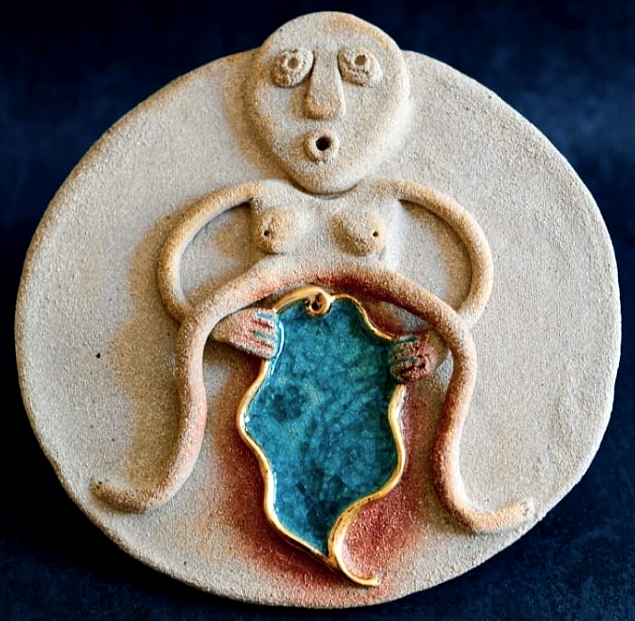
A group in Ireland is attempting to revive the ancient tradition of the sheela na gig.

On the Before- and After-Times.

Two looks at what chivalry is, and the dearth of whte knights.

Workmen at Tintern, in the Wye Valley, have found a hitherto unknown medieval tunnel system.

A look at the role of 14th-century working women in southern France.

On the other hand, medieval women put faith in things like birth girdles to protect them during childbirth.

On the crapness of medieval pickup lines.

A short life expectancy in days of yore is a myth – lots died as children, but survive that and many lived into old age. [LONG READ]

The National Archives have documents about the Gunpowder Plot written in invisible ink (lemon/orange juice).

Until the advent of the envelope in the western world letters were sealed by a technique called letterlocking. Researchers have now worked out how to use X-rays to read these letters without breaking the seals.

Charles II’s mistress Hortense Mancini was a trend-setter ahead of her time.


Food, Drink

Seafood fraud is happening on a global scale and sleuths are using DNA techniques to fight back. Meanwhile, how good are you at spotting whether your fish a fake?


Lifestyle, Personal Development, Beliefs

It is time that men got a grip and made a stand to end violence against women (and men!).

One woman’s experience of the evolution of nude black women in art. [LONG READ]


Shock, Horror, Humour, Wow!

And finally a pair of researchers have worked out how to make a hippogriff and angels that could fly. [£££]


Monthly Links

OMG! Just what is going on round here? We’re already at the end of January! That means it is only 328 days to Christmas, so better start that shopping now. But before you do here is my monthly collection of links to items you may have missed.


Science, Technology, Natural World

First of all here’s yet another look at whether the universe was made just for us.

Much more fun though here is a physicist who is unravelling the knotty problem of knitting.

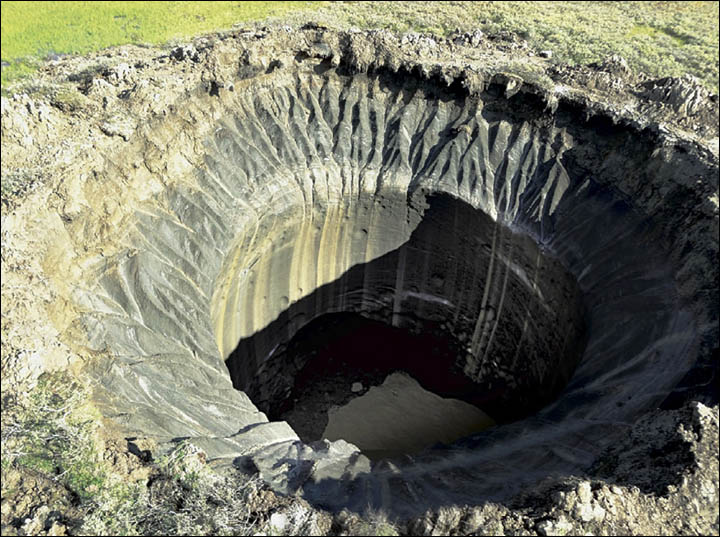
Meanwhile scientists are still trying to work out what is causing the exploding craters in Siberia. [LONG READ]

Scientists think they have finally solved the mystery of why wombats shit cubes.

Here’s another apparent oddity: some eagle rays in New Zealand have produced young despite no obvious male input.

London’s Natural History Museum finds 3800-year-old beetles preserved in a long-neglected bogwood specimen.

XKCD provides a remarkable insight into the world of bird and dinosaur evolution.


Health, Medicine

As usual I am avoiding all the articles on Covid-19, ‘cos you hear enough of that without me adding to the deluge.

However it is interesting to understand how we cope (or not) during a year without hugs.


Sexuality

Apparently we shouldn’t do it just before going to sleep.


Environment

There are all sorts of projects wanting to reintroduce lost species to the UK. We know about wolves and beavers, but now there’s a project which wants to reintroduce lynx to the Scottish Highlands.

There is also a movement to bring back Britain’s wonderful flower meadows.


History, Archaeology, Anthropology

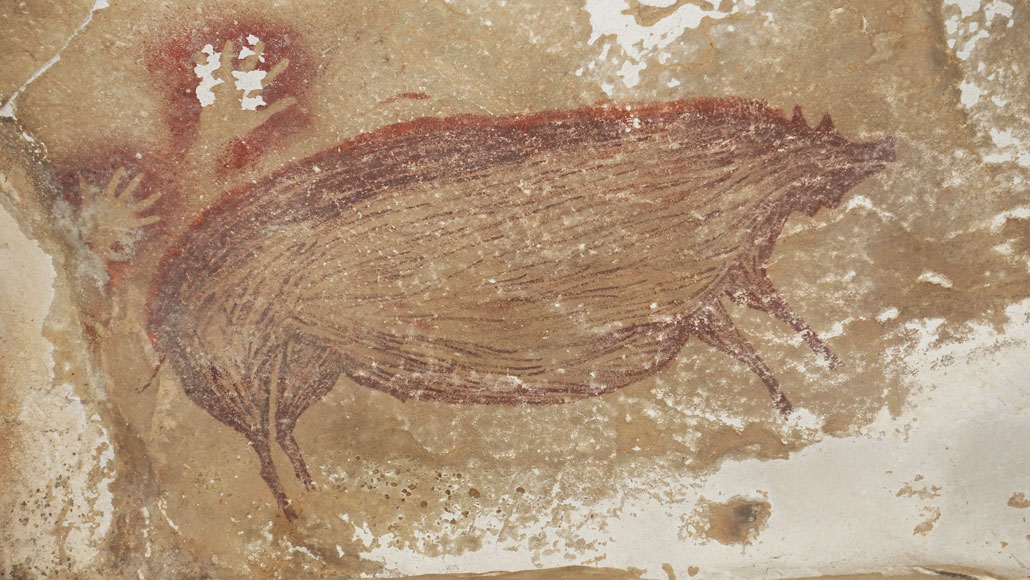
A drawing of a pig in Indonesia may be one of the oldest cave paintings ever found.

There is increasing evidence that in ancient times female warriors were not uncommon. The first from Science News and the second from the New York Times.

Here’s Going Medieval on slavery, propaganda, and the politics of history. [LONG READ]

Leprosy was a feared disease in medieval times, but the leper had a conflicted existence of both good and evil.

What do you do when there isn’t a common, stable currency? Well, of course, you use eels?

While sodomy was considered more sinful, clerical sodomy presented considerably fewer challenges to the Medieval Church than clerical marriage.

Here’s a short history of the Tudor Whitehall Palace. [LONG READ]


Food, Drink

Absinthe has never been hugely popular in the UK, and unlike many European countries it has never been banned here. Despite that it is only now that London has it’s own Absinthe distillery.

So what really are the origins of haggis? Is it truly a Scottish delicacy or did the Scots appropriate it? [LONG READ]


Lifestyle, Personal Development, Beliefs

This Guardian article on atheism contains some really bizarre manifestations of non-belief. [LONG READ]

And finally … The curious and spellbinding history of cheese and witchcraft.


Monthly Links

And so for the last time this year here is my monthly round-up of links to items you may have previously missed. And this month we have a bumper crop …


Science, Technology, Natural World

Our favourite Cosmologist, Katie Mack, explains the vastness of space and the universe, and what it means. [LONG READ]

The Voyager spacecraft are still sending surprise data back to Earth after over 40years.

It looks as if Earth may have captured a 1960s rocket booster.

Even nearer to home, and following up on a report from a couple of months back, researchers continue to investigate fluorescence amongst Australia’s marsupials.

A non-native dormouse (below) has been found in England’s New Forest after apparently arriving from France as a stowaway.

Researchers are using ivory from a 16th-century shipwreck off Africa to discover more about African elephants.

Scientists at the Royal Botanic Gardens, Kew have described over 150 new plant species this year; almost 20% are fungi and a third are orchids, including the world’s ugliest orchid. Six of the new species are from the UK.

Mistletoe is a much misunderstood plant. Here are two articles: the first about its strange parasitic way of life [LONG READ], the second about it’s strange genetics.

Scientists are coming to realise that there are many species which are so alike they’ve been classified as a single species; but now DNA is helping to separate them.

Finally in this section, we’re right back down to Earth … rocks mined over 200 years ago in Cornwall have yielded a hitherto unknown mineral, which has been christened Kernowite.


Sexuality

A more than slightly worrying account of FGM in Victorian England.

On how our medieval Christian ancestors did not treat sex with the utmost reverence, despite the protestations of Holy Mother Church.

Male masturbation has long been considered by society as shameful and harmful, but it is now receiving medical approval.

A few things here I didn’t know about the menopause (why would I?) although most I did.


Environment

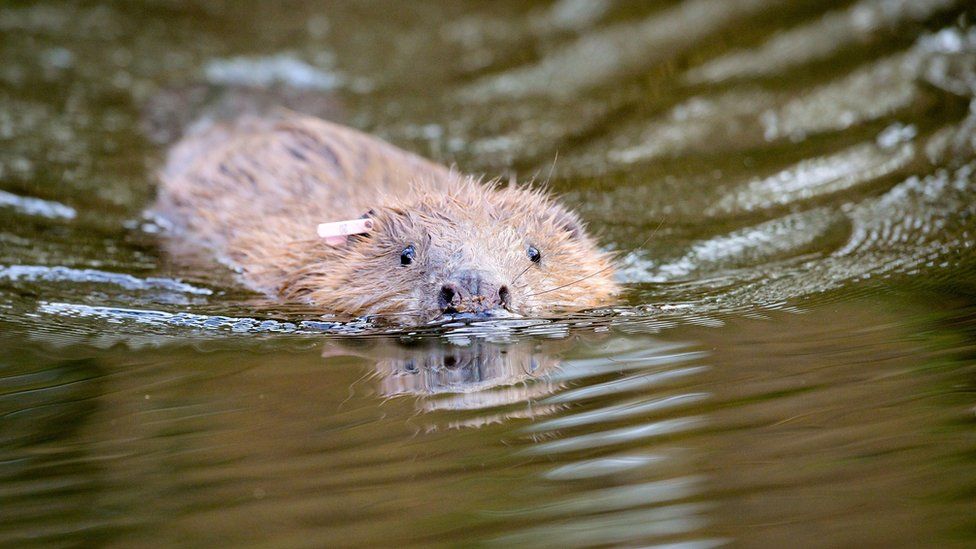
2020 has been a good year for England’s beavers. Here are two BBC reports: first a general overview; and second on the first beaver dam on Exmoor for 400 years.

There’s a plan afoot to boost biodiversity by encouraging natural wildflower meadows on the verges of new roads in England.


Social Sciences, Business, Law

Two years ago Gatwick Airport was shut down by sightings of drones. The culprits have never been found and the whole incident remains mired in mystery, as the Guardian report. [LONG READ]


Art, Literature, Language

What’s on a 70-year-old roll of unprocessed film? Someone unidentified’s long lost holiday snaps.

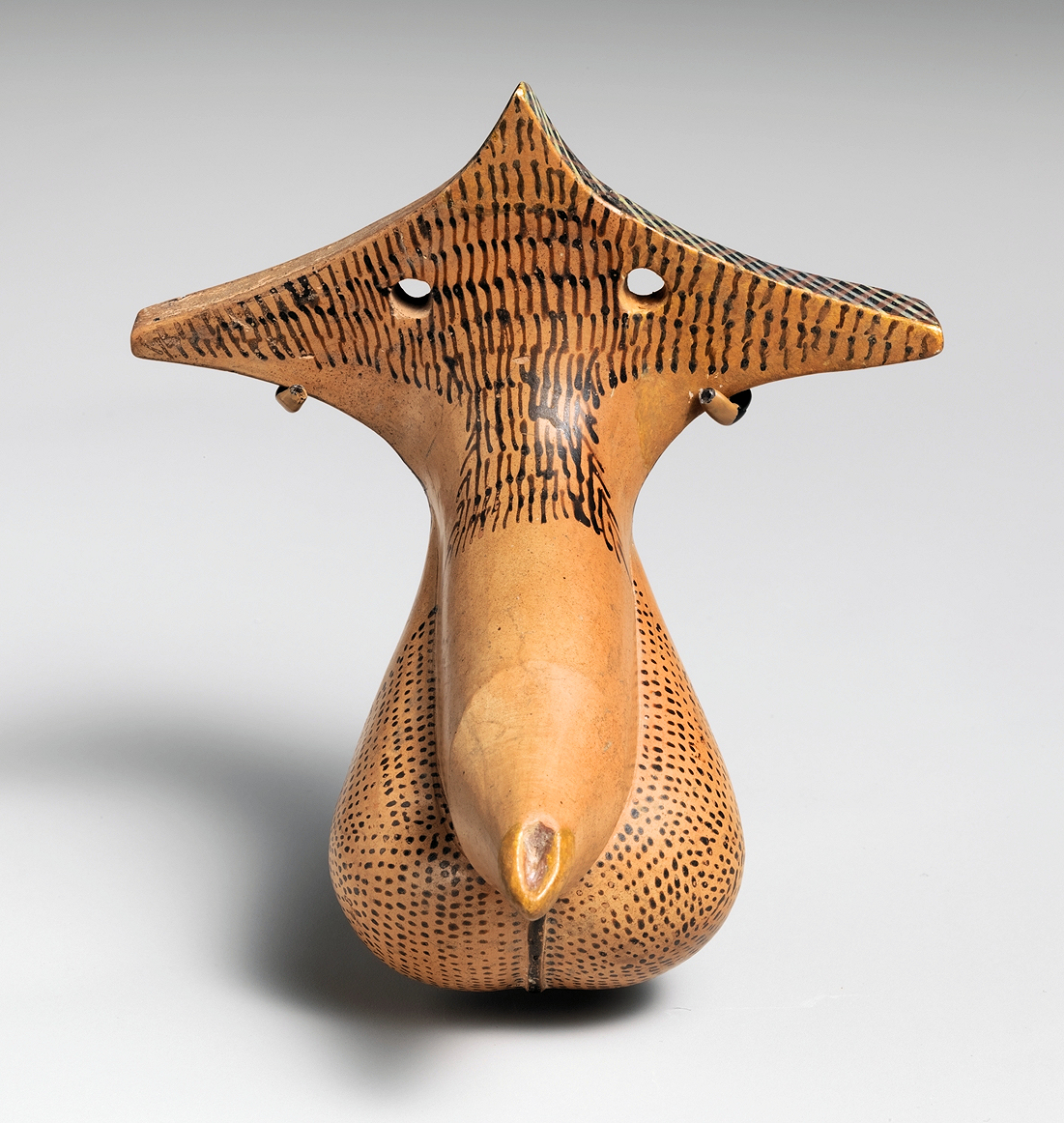
A very amusing erotic Greek terracotta vase.


History, Archaeology, Anthropology

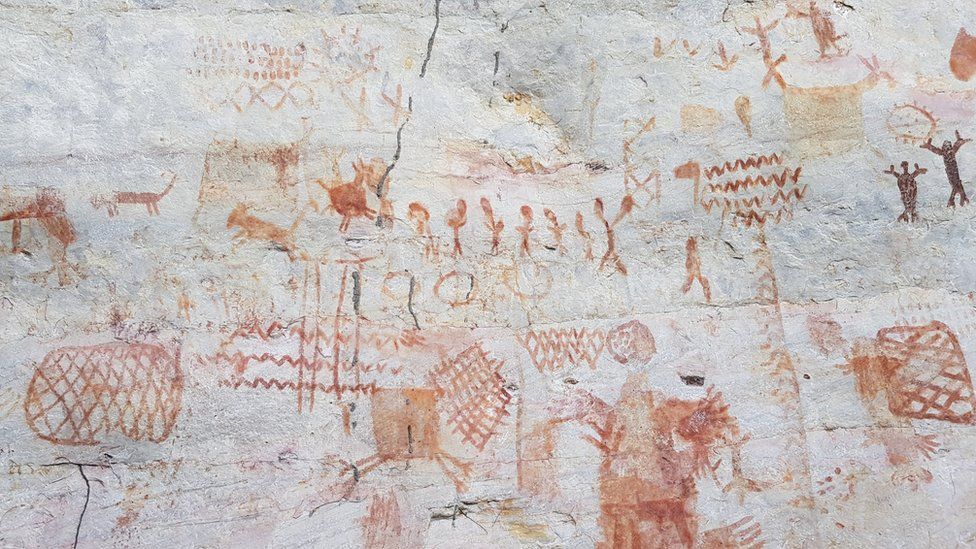
Archaeologists have discovered a stunning collection of ancient rock art deep in the remote Amazon forest. Two reports from the Guardian and the BBC.

Meanwhile in England archaeologists have uncovered a large mid-5th-century mosaic at Chedworth Roman Villa.

29 December 2020 was thee 850th anniversary of the murder of Thomas Becket; an event which shook the Middle Ages.

On the meaning of Advent in medieval times.

Refurbishment of an unpreposessing shop in the London suburb of Chipping Barnet has revealed a wooden framework dating from 14th-century.


London

IanVisits explores the mystery of Dick Whittington’s stone in Highgate.


Food, Drink

Well who would have guessed that we would have domesticated yeast by making bread?

There is a current suggestion that an appreciation of wine increases with age.


Lifestyle, Personal Development, Beliefs

2020 has seen many of us curtail the amount of personal grooming we do. Three women tell the Guardian about their experiences of changing their hair care routine.

And finally … scars tell the stories of our survival: five people tell Laura Dodsworth the stories of their scars.


That’s all folks! More next month, DV.

Jersey Tigers

As any of my readers who follow me on Facebook know, a few days ago I had a beautiful Jersey Tiger Moth (Euplagia quadripunctaria) in the garden; in fact feeding on our buddleia. As my photograph shows, these are very distinctive creatures.

Jersey Tiger Moth

I love seeing them, not just for their beauty but also because they are a success story of something extending its range.

As you might guess from their name they originate (as far as the British are concerned) in the Channel Islands, although their range extends across much of Europe and western Asia.

Until relatively recently the moth was absent from the British Isles. However they are now found along the southern coast of England: first in Devon, then Cornwall. While some moths are likely migrants from the Continent (or Channel Islands), they clearly are now breeding here as they have extended their range to much of southern England and London.

The first one I saw was in Lyme Regis, on the border between Devon and Dorset. It was sitting, bold as brass, on a bedding plant in a park. This was in 2006. Since then I’ve seen an odd specimen most years here in west London, and this year I have a couple of other reports of the moth in the local area. On Twitter there are lots of recent reports of sightings from around southern England; I’ve even seen a mention by one enthusiast with a moth trap who had over 3 dozen trapped one night recently. (Of course I can’t now find that post!) They do seem to be becoming more common and spreading slowly northwards – too much for them all to be migrants.

For the UK they’re a fairly large moth, with a wingspan of 50-65mm. Like most moths they fly largely at night, although they do fly during the day. I spotted the one I photographed because of the movement of its flight. They do also seem to have a habit of resting in the open in rather conspicuous places on leaves, tree trunks etc.; presumably they rely on their warning colouring for protection, if not camouflage.

As well as the bold black and white forewings, their hind wings are a bright reddish-orange. There is though a colour morph with yellow hind wings; and a melanistic form with all black forewings.

Now instinct says that such a boldly coloured moth would be a garden pest, but actually they aren’t. The larvae feed on a wide variety of plants such a nettles, raspberries (OK not so good that one), dandelion, dead-nettle, ground ivy, groundsel, plantain, and more. The larvae are mostly black and (often gingery) brown and hairy. They overwinter as small larvae. The moths are generally on the wing from mid-July to early-September.

What I find interesting is that every image of a Jersey Tiger I’ve ever seen appears to be female. How do you sex a moth? Well with most species the males have frilly antennae to pick up the female’s pheromones – because shagging, y’know! But there are exceptions to the rule and wonder if the Jersey Tiger is one of them.

You would think that something this highly coloured and day-flying would be a butterfly. But no, there are day-flying moths. And there’s an easy way to tell a moth from a butterfly: butterflies have small knobs on the end of their antennae; moths don’t. Again I’ve no doubt there are exceptions, but I don’t off-hand know of one.

Don’t confuse the Jersey Tiger with the Garden Tiger Moth (right) which has more broken, less linear, patterning to the forewings and a brown furry head. The caterpillar of the Garden Tiger is what we always knew as kids as a Woolly Bear. Garden Tigers do seem to have become much less common over the last few decades. There’s also the Scarlet Tiger Moth in UK, but that is even more different, is around earlier in the year, and is quite locally distributed.

As always there is a lot more information on the internet and Wikipedia is as good a place as any to start.

Monthly Interesting Links

Once again we come to our monthly collection of links to items you missed the first time round and which you’ll find interesting. This month we have a well packed collection (lots of science and lots of history), so it’s straight in the deep end.


Science, Technology, Natural World

Astronomers still think there’s a large planet out beyond Pluto, so of course they’re still hunting for it (artist’s impression above).

So when you have this new vaccine how are you going to package it? Pharmaceutical Chemist Derek Lowe takes a look.

Many plants have stingers (think, stinging nettles), and it seems they have achieved optimal pointiness. [£££]

Oh dear! It seems likely the world’s smallest dinosaur is a lizard. [£££]

Ornithologists are revealing the long-distance travels and longevity of British birds.

Scientists still don’t know how birds navigate, though it is likely magnetic and they’re narrowing down the options.

30 years ago Red Kites were reintroduced to the Chilterns to the west of London, and this has proven to be a huge conservation success. (I’m 30 miles east of the release area, and in suburban London, and I now regularly see Red Kites over this area.)

Where have all our swifts gone? Are they on the Grand Tour?

There’s a growing realisation that old paintings can provide valuable information about agriculture both livestock and arable. [£££]

Here’s a brief look at the chemistry of cat allergies, catnip and cat pee.


Health, Medicine

How on Earth do you do surgery in the weightlessness of space without having bits of body floating around?

I find this hard to believe, but seemingly damaged human lungs can be revived for transplant by connecting them to a pig. [£££]

Researchers are worried that a new swine flu identified in China has pandemic potential.

Researchers are also looking at the potential for using magic mushrooms to help ex-soldiers overcome trauma.


Art, Literature, Language

Where are the bones of Hans Holbein? Jonathan Jones went looking, but we still don’t know. [LONG READ]

An astronomer has finally(?) pinpointed the exact date and time of Vermeer’s “View of Delft” (above).

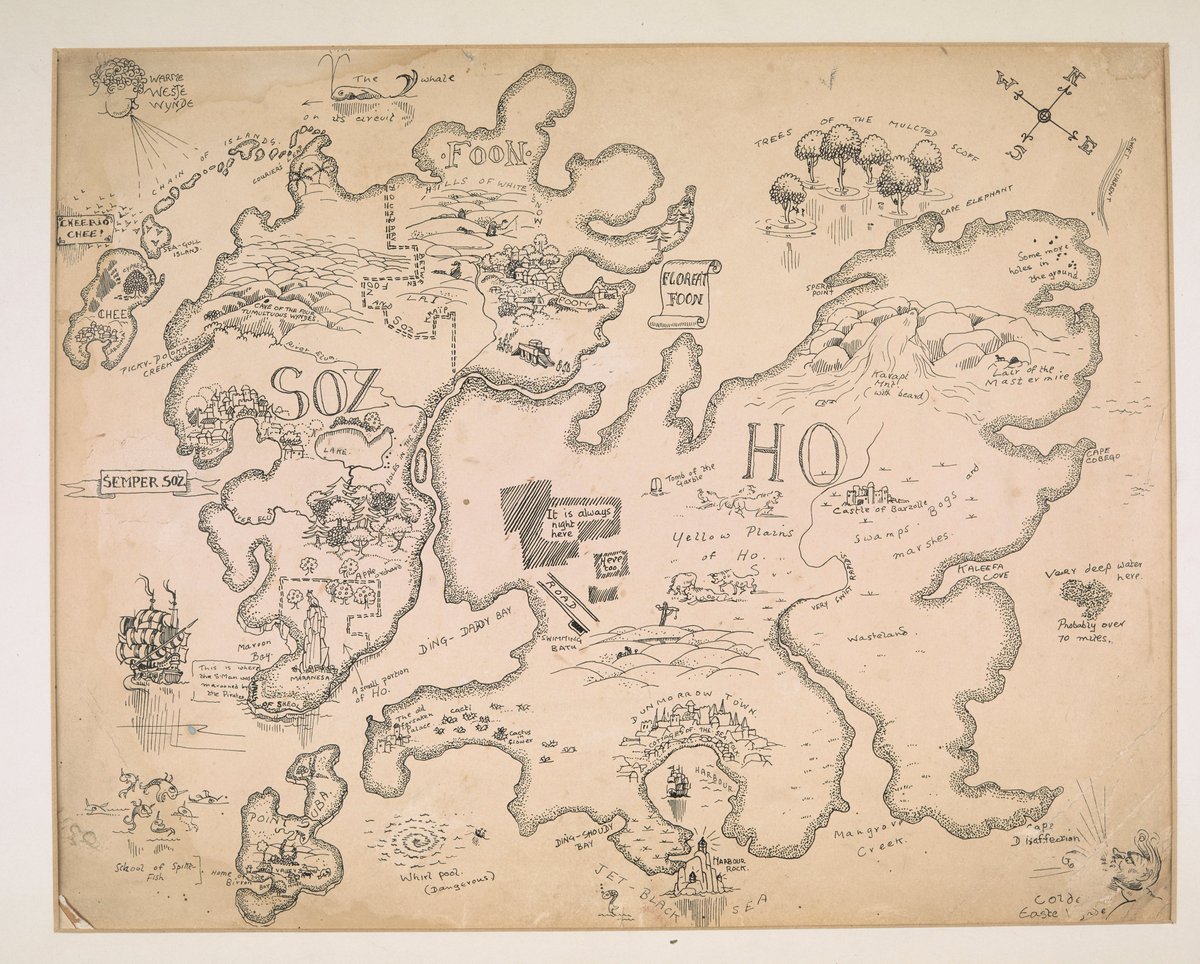
The British Library has acquired an important archive of Mervyn Peake‘s original illustrations, preliminary drawings and unpublished early works (example below).


History, Archaeology, Anthropology

Archaeologists have uncovered stone tools which they believe show that humans occupied the Americas around 33,000 years ago – that’s over 10,000 years earlier than previously thought.

Work on the UK’s HS2 rail link has unearthed the skeleton of a possible iron age murder victim.

Drinking games have a long history. Michael Fontaine, in History Today, takes a look.

So how old is the Cerne Abbas Giant (right)? New archaeological thinking by the National Trust suggests it is not prehistoric.

Our favourite medieval historian, Dr Eleanor Janega, takes a look at colonialism, imperialism, and the perils of ignoring medieval history. [LONG READ]

Going Medieval also take a brief look at the medieval obsession with the Moon.

A look at the symbolism of the medieval haircut. Scissors or sword, Sir?

Coming closer to our time, apparently Georgian London was a haven for sexual diseases.

Even closer to home, a look at what happened on the morning of the first nuclear test in 1945. [LONG READ]

And almost up to date, the purrrplexing story of the British Museum cats.

ARCHI is a UK archaeological site containing old maps (largely Victorian, it seems) which you can overlay on the current map to see what was there before we were.


London

Here are two pieces from the History of London on the area to the east of the Tower of London. First, the St Katherine’s area, and second the development of the area around Stepney.

Going Medieval (again) introduces us to the magnificent Agas Map of London (it’s detailed and zoomable!) as well as the lfe of medieval and early modern cities. [LONG READ]


Lifestyle, Personal Development, Beliefs

And finally for this month … Dungeness is one of my favourite places and the late Derek Jarman’s cottage and garden (thankfully saved for the nation) is an absolute delight (below). Now there’s an exhibition about Jarman’s garden at the Garden Museum in London.


Monthly Links

Here are our links to items you may have missed in the last month. There’s a lot this month, so let’s dive in.

Incidentally [£££] indicates the article may be behind a paywall, although most of these sites do offer a limited number of free articles so don’t ignore them.


Science, Technology, Natural World

First off, here’s an old article from New Scientist in which Roger Penrose asks What is Reality? [£££]

However there’s a warning that we should beware of Theories of Everything. [£££]

Meanwhile scientists have calculated the most likely number of alien civilisations we could contact. [Spoiler: it isn’t 42.]

Maybe the search for extraterrestrial life is why the Americans are embarking on another round of major upgrades to their U-2 spy plane. [£££]

But back to Earth … Researchers have used camera traps to complete a thorough survey of the inhabitants of African rainforest.

Surprisingly in this day and age we still don’t fully understand where eels come from. [£££]

Ecologists have tracked the astonishing migration of one particular European Cuckoo.

Equally astonishing, scientists have managed to record and translate the sounds made by honeybee queens.

After which we shouldn’t really be surprised that crows are aware of different human languages.


Health, Medicine

So out of the crow’s nest and into the fire … What you always thought you knew about why males are the taller sex is probably wrong.

It seems there is growing evidence that we should be taking seriously the potential of psychedelic drugs to treat depression. Well I’d certainly be up for trying it.

Tick-borne Lyme Disease can develop into a debilitating chronic condition. [£££] [LONG READ]

Have you ever wondered how medical students are trained to do those intimate examinations?


Environment

There’s a movement to establish fast-growing mini-forests to help fight the climate crisis.

Barn Owls are one of our most iconic species, and the good news is that they’re growing in numbers thnks to human help.

Here’s just one example of the huge amount of rarer elements in old computers which we need to recycle.

We’re used to places like Iceland using geothermal energy, but now there’s a plan to heat some UK homes using warm water from flooded mines.


History, Archaeology, Anthropology

Archaeologists have found clues to the earliest known bow-and-arrow hunting outside Africa.

DNA from the 5,200-year-old Newgrange passage tomb in Ireland hints at ancient royal incest.

And DNA is also being used to provide clues about the origins of the Dead Sea Scrolls.

On health and safety in the ancient world – or maybe the lack of it!

Religious iconography always was about marketing and PR.

The Medievals had notions about the ideal shape of women which curiously don’t coincide with our modern ideals. [LONG READ]

But then the Medievals lived in a world without police, and it wasn’t quite a brutal as one might think.

Archaeologists think they’ve found London’s earliest theatre, the Red Lion.

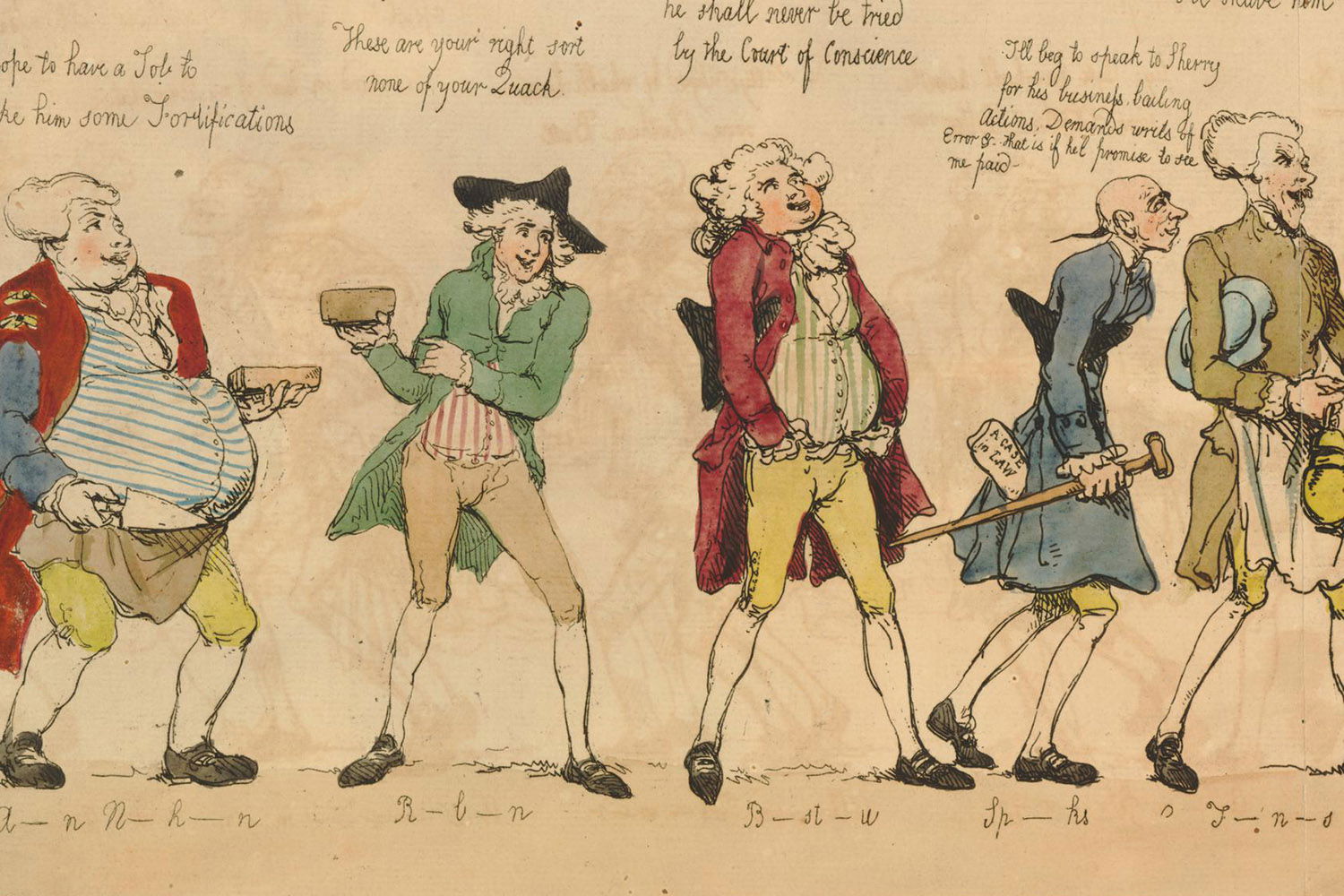
If we thought Medievals had odd ideas, then Enlightened Man (in 17th and 18th centuries) was in many ways stranger; shaving and periwigs were the least of it. [LONG READ]


London

On the first few hundred years of Westminster Abbey. [LONG READ]

From Tudor times Protestants have been intermittently persecuted in mainland Europe, and escaped to Britain. Here’s a piece on the history of the Huguenots in London. [LONG READ]


Lifestyle, Personal Development, Beliefs

Is it OK for your kids to see you naked? Here’s an uptight American article which nonetheless concludes it is OK, as we all know.


Squirrel

In the latest episode of photos from my Flickr, we have the local squirrel and it’s hunters – finally captured on film this morning thanks to my new Canon 90D and a mega-long zoom lens.

[Click the images to get a larger view on Flickr]

Squirrel 1

We have this grey squirrel around the garden who has almost no hair on its tail. It looks very odd, especially when he sits around doing that squirrel thing of waving its tail. It’s been around all winter and otherwise looks to be in good health, so there’s no obvious reason for the hair loss.

Squirrel 2

As this next photo shows he’s male, and has been observed knocking up the ladies!

Squirrel 3

While he’s happily devouring our bird seed, Tilly cat approaches from starboard …

Squirrel Hunt 2

… and Boy cat undertakes a blocking manoeuvre to port, while desperately hoping the squirrel falls off!

Squirrel Hunt 1

Needless to say, the squirrel won with a good six foot leap from the top of the feeder pole to the apple tree. But it needs to be careful as Tilly is known to have caught a squirrel in the past.

And notice the wildlife-friendly, aka. unkempt, bottom half of our garden. It is sort-of half intended to be woodland floor!

Monthly Links

In the middle of these interesting times we’re living in, we bring you a diversion by way of our round-up of links to items you may have missed this month. And I promise it is Coronavirus-free.


Science, Technology, Natural World

The Rainfall Rescue Project are looking for (online) volunteers to help transcribe old rainfall records from the handwritten sheets, so they are digitised and useable for in depth research.

We thought we understood it, but rock samples brought back by the Apollo moon missions are reopening debate about how the moon formed. [£££££]

It seems that people who get lost in the wild follow strange but predictable paths. [£££££]

Dust is often not what you think, especially in museums.

A brief look at five dinosaurs which, once upon a time, roamed the British Isles.

The smallest known dinosaur skull has been found in a piece of amber.

Crows understand death, at least death of a fellow crow, but can we work out what they’re actually thinking?

Now, while we’re all in solitary confinement, is a good time to take up birdwatching: there’s a surprising number of birds go past your window and they’re not all sparrows and pigeons.

If they share a vase, daffodils kill other cut flowers. Here’s why.


Health, Medicine

Copper is great at killing off microbes (it’s been used in horticulture and viniculture for centuries) and yet in a medical context the more inert stainless steel is preferred.

A small number of women are born with the rare MRKH Syndrome, where they lack a vagina and possibly other internal reproductive organs.

We all know about tree rings giving information about the growth of the tree, but it seems our teeth also document our life’s stresses.


Environment

A small Japanese village is leading the way into our carbon-neutral future, but it ain’t easy.

The Guardian gives us fifty simple ways to make life greener. [LONG READ]


Social Sciences, Business, Law

Many of us like to belief we have free thought uninfluenced by others; but can we ever be a truly independent thinker?


Art, Literature, Language

Aubrey Beardsley is one of many artists whose has work been suppressed for obscenity, and is the subject of a new exhibition at Tate Britain (assuming museums are ever allowed to reopen). [LONG READ]


History, Archaeology, Anthropology

A new study reports that a supposedly important collection of Dead Sea Scroll fragments are all fakes.

Archaeologists suggest that a collection of bones found in Kent church likely to be of 7th-century saint

Drake’s Island in Plymouth Sound is to be opened up and get its first visitors in 30 years.


London

London blogger Diamond Geezer takes a look at the genesis of London numbered postal districts.


Lifestyle, Personal Development

And finally … Should ladies’ loos provide female urinals, and would they be an answer to the queues for the loos?


Take care, everyone, and stay safe!

Monthly Links

Once more, dear friends, unto our monthly collection of links to items you may have missed the first time. And we have a well stuffed list this month.


Science, Technology, Natural World

First off something to worry you (well maybe) … Scientific American looks at how easy it is to hack GPS, and the USA’s lack of a backup. [£££]

I’ve never liked the way we change the clocks twice a year, and it seems there is evidence that daylight saving time does affect our health.

Another of my bêtes noir is the way wasps get such a bad press and abuse. We need to learn to love them as they’re amazing pest-killers and useful pollinators. [£££]

Many more birds migrate than we realise. Now a Robin has been recorded doing 140 mile crossing of trhe North Sea in just four hours

And now for some good news … a mouse deer thought to be extinct (it’s not been seen for nearly 30 years) has been found alive in Vietnam.

Now you now we had to get to cats eventually! It seems that our cats are more attached to us than we thought. [£££]

A mysterious 300 million-year-old fossil known as the Tully Monster could be a vertebrate or an invertebrate: scientists are still trying to decide and the oddities keep multiplying.

Do animals speak to us? Dutch philosopher Eva Meijer says that they do but we don’t (know how to) listen to them.

Finally in this section, one not for the squeamish. A look at how forensic scientists are studying the microbiological decay of corpses using human bodies. [LONG READ]


Health, Medicine

In the 1950s, photojournalist Lennart Nilsson set out to capture photographs of foetuses, and his Foetus 18 Weeks may be the greatest photograph of the 20th century.

Why is measles such a dangerous illness, even after recovery? Because it appears to make the body forget how to fight infection.

Now here’s something very odd: apparently some left-handed women can smell normally despite having olfactory bulbs in their brain. And this is only left-handed women!

So are women’s experiences of menopause psychosomatic? It seems they may be (at least in part) as women’s experience of menopause appears to be related her family’s experiences.


Sexuality

So here are seven myths about fertility.

New in London: the world’s only Vagina Museum. Needless to say it’s dedicated to female genitalia. [LONG READ]


Environment

We aren’t nearly good enough at recycling, so here are 15 ways to reduce your plastic footprint.

The National Trust is set to release families of beavers at sites in Somerset and Sussex as part of plans to ease flooding and improve biodiversity.


Art, Literature, Language

Italian police have arrested over 20 people in connection with the trafficking of archaeological artefacts.

Now here’s another oddity. It appears that our (western) perception of musical octaves is learned and not hard-wired in the brain.

Art can be cathartic, as Laura Dodsworth discovers when talking to high security prisoners about her work.


History, Archaeology, Anthropology

Should the Iron Age really be called the Flax Age? [LONG READ]

The Ancient Egyptians mummified millions of sacred birds, but were they wild caught or captive bred?

So just why was the year 536 AD the worst year to be alive?

Researchers are linking the Catholic Church’s ban on cousins marrying (well, incest in general) to the emergence of western individualism. [£££]

We all know that inflation happens, but how much has the value of money changed over the centuries? It seems it depends on how you measure it, and that isn’t easy.

It is a wise child who knows its father. New research shows this is truer in cities than rural areas.


London

The Museum of London is planning to move into part of the old Smithfield Market. IanVisits looks inside the space before construction work begins.

Meanwhile London blogger Diamond Geezer gives us an A to Z of Kew Gardens.


Food, Drink

Ten of the world’s most environmentally controversial foods.

Zoe Williams in the Guardian contends that there’s a generation gap in food.


Lifestyle, Personal Development

Collective worship in schools must be provided for all pupils in an appropriate way for their beliefs, and not be single religion.

One woman tells the story of how she became an astrologer, what it was like, and why she stopped.

The patriarchy is not the natural human state, after all hunter-gatherer societies remain remarkable for their gender equality. [LONG READ]

Attachment: are you a secure, avoidant or anxious partner?

We all know about green space, but blue space? It appears that time spent near water is the secret of happiness.

So fifty fascinating facts about our friendly felines.


People

And finally … Who would have guessed that Rod Stewart has spent over 20 years building a mega model railway?


Another instalment in the dull days following Christmas! Have a good one.

Monthly Links

Here goes then with this month’s selection of links to items you may have missed the first time round, and probably shouldn’t have done!

Science, Technology & Natural World

Cheeky monkeys! Apparently squirrels eavesdrop on birds’ chatter to find out if there’s a security alert.

After which it isn’t surprising that squirrels’ cousins, the rats, love games, giggle and jump for joy.

Insects deserve much more respect than they get; without them we’d not be here! [LONG READ]

One insect group deserving of greater respect, and admiration, are the wasps. Not just the annoying “yellow jackets”, there’s a whole diversity of species and they’re brilliant predators.

On the other hand we all like butterflies, and this has been an especially good year, especially for Painted Ladies.

Health & Medicine

Research has shown definitively that babies born by Caesarean have different gut bacteria compared with vaginal births. Why does this surprise anyone?

Statistical analysis shows that 26 September is the busiest day for births (at least in the UK) at about 10% above the average. Yes, you guessed it: it’s all down to Christmas and New Year shagging.

Sexuality

The world’s first Vagina Museum opens in November at London’s Camden Lock. Aim: to educate and raise awareness of vaginal and vulval health and fight stigmas.

Environment

Apparently the fish stock calculations were way off and North Sea cod should not have been labelled as sustainable.

What practical things can you do to combat climate change? One thing we seldom consider is to plant your own trees.

Art & Literature

After 119 years the Wallace Collection in London is to start lending out its artworks. Under the terms by which they were established they thought they couldn’t do this, but now they think they can.

History, Archaeology & Anthropology

Archaeologists have uncovered over 250 Neanderthal footprints, many of children, in northern France. They promise to throw some light on Neanderthal lifestyle.

Again, I’m not sure why this is surprising, but there is now evidence to suggest that the first people in the Americas came by sea.

Archaeologists are also now suggesting that prehistoric babies were fed animal milk from pottery bottles.

Coming more up to date, English Heritage are concerned that damp is putting many ancient murals, especially church wall paintings, at risk.

A piece of what is thought to be Elizabeth I’s lost dress is to go on display at Hampton Court.

In Scotland there is a plan to establish a national witches’ memorial.

London

While Britain’s parliamentarians are letting off quantities of hot air, the Houses of Parliament are threatening to collapse on their heads. [LONG READ]

One of our favourite London bloggers, Diamond Geezer, takes a random walk from Oxford Circus.

Food & Drink

No part of the pig is ever wasted. Now chefs are beginning to sign up to fin-to-gill eating – cooking fish without discarding anything.

Lifestyle & Personal Development

A pair of (American) researchers are suggesting every couple should have eight intense discussions to cement and develop their relationship. When you read their book, although they are deep discussions, it is the usual structured common sense – but something many will not easily do without a prompt.

It has apparently now been confirmed that there are benefits to being left-handed.

Shock, Horror, Humour

And finally, it’s time for this year’s Ig Nobel prizes. Amongst this year’s winners is a study of French postmen’s testicles.

More next month.