Category Archives: medical

Monkeypox 7. Another Quick Update

This is yet another post of a few quick notes from the last couple of weeks.

The headline message remains: The risk is low so don’t be concerned, but do be vigilant.


  1. Cases are appearing with no known contacts with confirmed cases, suggesting transmission is being missed due to undetected circulation of the virus. [1]
  2. Many cases appear non-typical with the rash appearing before other symptoms. [1]
  3. DNA sequencing suggests monkeypox may have been circulating in people for years. [2]
  4. The pattern seen means that there has been sustained human to human transmission since at least 2017 and spreading quite widely in people in Africa. In some African countries person-to-person spread is likely to have gone unnoticed for years. [2]
  5. Genome sequencing shows that the monkeypox viruses responsible for these cases are closely related to ones detected in a small number of cases in Israel, Nigeria, Singapore and the UK between 2017 and 2019. [2]
  6. The 47 DNA-letter changes in the latest viruses compared with earlier ones is an unexpectedly high number of mutations. [2]
  7. We shouldn’t assume that monkeypox won’t evolve to be better at spreading in people if given a chance. [2]
  8. There is no reason to panic as this is something we can get under control. But we have to take it seriously. [2]
  9. Genetic testing identified two strains of monkeypox in the US. Most US cases involved the strain linked to the recent outbreak first identified in European countries. However the presence of a second variant suggests the virus may have been spreading unnoticed for some time. Data from many more patients will be needed to estimate how long the virus has been circulating in the US. [3]
  10. In England it is now a legal requirement for doctors to notify their local council or health protection team about any suspected monkeypox cases – as they have to for measles, scarlet fever and tuberculosis. [4]
  11. The UK Health Security Agency (UKHSA) has detected to 524 cases as of 14 June. [5]
  12. More than 1800 cases of monkeypox have now been confirmed in dozens of countries outside Africa in the latest outbreak. [6]
  13. The World Health Organization has said it will rename monkeypox to avoid discrimination and stigmatisation as the virus continues to spread. The working name is “hMPXV” for “human monkeypox virus”. [6]

References

[1] https://www.bbc.co.uk/news/health-61696974
[2] https://www.newscientist.com/article/2323019-monkeypox-dna-hints-virus-has-been-spreading-in-people-for-years/ [£££]
[3] https://www.the-scientist.com/news-opinion/monkeypox-likely-spread-undetected-in-us-before-recent-reports-70102
[4] https://www.bbc.co.uk/news/health-61723964
[5] https://www.gov.uk/government/news/monkeypox-cases-confirmed-in-england-latest-updates
[6] https://www.theguardian.com/world/2022/jun/15/who-to-rename-monkeypox-virus-to-avoid-discrimination


Monkeypox 6. Quick Updates

This is really going to be just a quick few updates of some of the salient features I spotted in the last few days.

The headline message remains: The risk is low so don’t be concerned, but do be vigilent.


Illness & Precautions

  1. Infection during pregnancy can lead to miscarriage. [1]
  2. A child’s temperature is likely to be higher with monkeypox, and they may complain of backache, lower leg aches, chills, and very tender glands around their neck. The blisters are bigger with monkeypox (cf. chickenpox). [2]
  3. People with monkeypox have been told to avoid contact with their pets for three weeks amid concerns the animals could become infected and pass the virus on to other people. However the risk of someone passing monkeypox to their pet is low and no cases of monkeypox have ever been suspected or reported in pets in the UK. [3]
  4. People who have tested positive for the virus and their close contacts are being told to isolate at home for 21 days. They should avoid contact with other people until all lesions – or blisters – have healed and scabs have dried off. [4]
  5. Anyone testing positive is being told to abstain from sex while they have symptoms, and then use condoms for 8 weeks as a precaution. [4]
  6. Confirmed cases and their close contacts should take extra care if they need to leave the house to see a doctor or other health worker. [4]

Epidemiology

  1. Health officials are reporting that the current monkeypox outbreak is mostly affecting younger men in London. Although anyone can contract the virus, 111 of 183 cases** in England are in men who have sex with men. In England, 86% of those infected live in London and only two are women. Most are aged 20 to 49. [5]
    (** This was a couple of days ago and the numbers have increased since then. The UK government regularly publishes the latest figures etc. [11])
  2. People aged 50 and above are likely to be immune (they’re more likely to have had a smallpox vaccination) but the under-50s are more susceptible. [7]
  3. The recent outbreak of monkeypox is being linked to events taking place in Spain and Belgium, according to a leading advisor to the WHO. And the authorities are investigating possible links between a recent Gay Pride event in the Canary Islands, which drew 80,000 people, and cases at a Madrid sauna. [6]
  4. Experts in Africa have warned that monkeypox could change from a regionally widespread zoonosis to a globally relevant infectious disease. The virus may be filling the ecological and immunological niche once occupied by the smallpox virus now that smallpox vaccination has ceased. [1]
  5. Which means this was an outbreak waiting to happen after the end of global smallpox vaccination more than 40 years ago. [7]
  6. There’s unlikely to be the same “explosive growth” of infections into the general population that was witnessed with Covid. However the outbreak could continue for several months as contact tracing slows but does not stop transmission. [7]
  7. Scientists are working through how the disease came to flare up in so many countries in such a short space of time. Many suspect that monkeypox was circulating at low levels, undetected, in the UK or Europe for several years before it reached the MSM community and flared up. [8]
  8. Genetic studies on monkeypox viruses taken from people in the ongoing outbreak show a close resemblance to the virus that reached the UK, Israel and Singapore from Africa in 2018 and 2019. They all have a common ancestor which probably dates back to 2019. [8]
  9. Data from the Democratic Republic of the Congo in the early-1980s and mid-2010s suggest the effective reproduction numbers at those times were 0.3 and 0.6, respectively – meaning each infected person passed the virus to fewer than one person in those populations, on average. [1]
  10. DNA viruses like these are a lot larger and more complicated than RNA viruses like Coronaviruses. Coronaviruses are among the largest RNA viruses known, at about 30,000 base pairs, but things like monkeypox are up over 200,000 bp. [9]

Zoonotic Concerns

  1. The infection can be spread by animals, and pet owners have been urged to “manage exposed pets and prevent the disease from being transmitted to wildlife”. [10]
  2. The EU has warned that the zoonotic transfer to humans could spill over yet again from humans to other mammals, potentially making monkeypox endemic in Europe. That’s a real concern, since we know the disease can be carried by a variety of small mammals. But what we don’t know is the likelihood of humans passing it on to animals, or the disease getting established among those animal populations in the wild. [9]
  3. Some of our most troublesome infectious disease threats – think Ebola, or Nipah, or coronaviruses, and now monkeypox – are disproportionately zoonotic diseases. [1]

References

[1] https://www.scientificamerican.com/article/what-we-know-about-the-rise-in-monkeypox-cases-worldwide/ [£££]
[2] https://www.thisislocallondon.co.uk/news/national/uk-today/20163472.uk-monkeypox-outbreak-tell-difference-chickenpox-monkeypox/
[3] https://www.theguardian.com/science/2022/may/27/monkeypox-patients-contact-pets-uk
[4] https://www.bbc.co.uk/news/health-61640196
[5] https://www.bbc.co.uk/news/health-61660180
[6] https://www.thisislocallondon.co.uk/news/national/uk-today/20160206.monkeypox-outbreak-sex-raves-spain-belgium-may-blame/
[7] https://www.theguardian.com/world/2022/may/24/monkeypox-outbreak-was-waiting-to-happen-say-scientists
[8] https://www.theguardian.com/world/2022/may/25/monkeypox-may-have-been-circulating-in-uk-for-years-scientists-say
[9] https://www.science.org/content/blog-post/now-monkeypox
[10] https://www.thisislocallondon.co.uk/news/national/uk-today/20162530.monkeypox-pet-owners-urged-manage-exposed-pets-uk-cases-rise/
[11] https://www.gov.uk/government/news/monkeypox-cases-confirmed-in-england-latest-updates

Monthly Links

Our monthly collection of links to items you may have missed. It’s the usual miscellaneous collection.


Science, Technology, Natural World

That big explosive volcano in Tonga is still surprisngly intact although the caldera looks to be a huge hole.

On the curiosity of organ pipes apparently violating a rule of sound.

And now for something completely different, for which I see many new applications … Apparently female mice release banana-scented urine when pregnant to deter males. [£££]

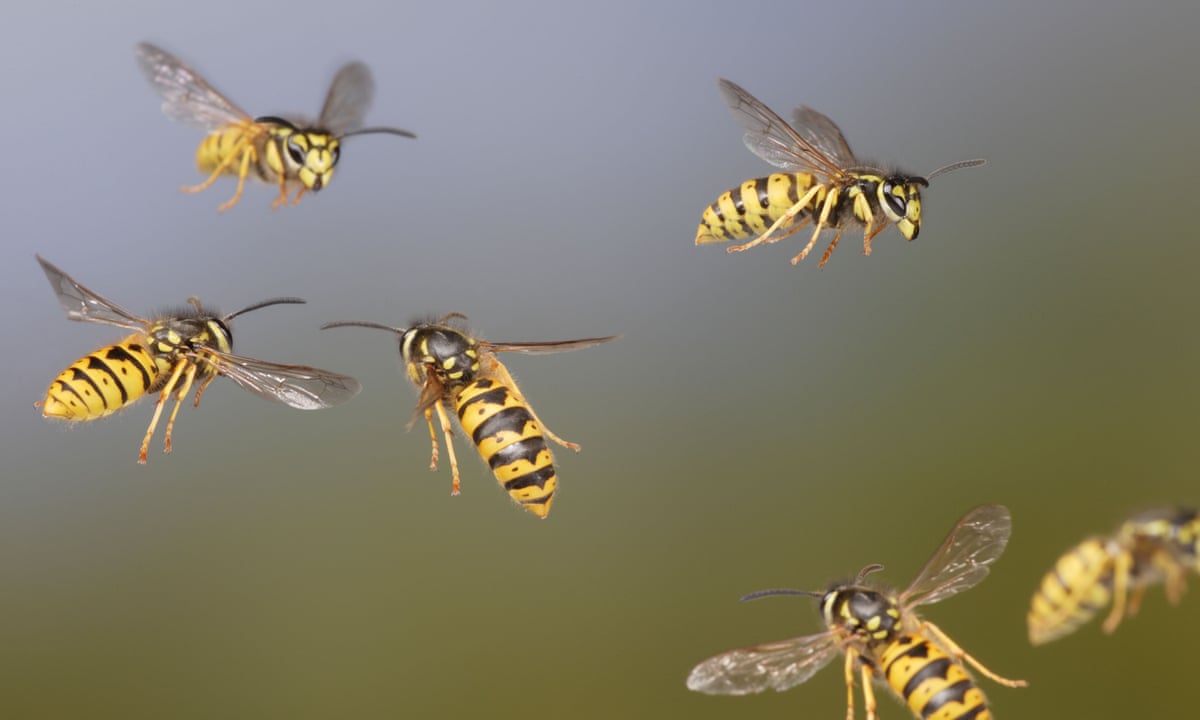
You all know by now that wasps are one of my favourite subjects. Here are two articles from Seirian Sumner, who’s book on wasps Endless Forms is out this week. First a piece in the Observer Magazine, and then her take on five facts about the gruesomeness of solitary wasps. [Prof. Seirian Sumner is the academic who runs the Big Wasp Survey which I’ve contributed to over the last several years.]

Back to more mundane(?) animals, researchers have been looking at the domestication of the horse. [LONG READ]

Jackdaws are democratic and use noise to make decisions.


Health, Medicine

Medicine in particular, and all of us in general, need to reassess and update our knowledge and the history of the female body.

Having said which, here’s a piece on how sex affects our immune systems and our brains.


Sexuality

The UK’s Office for National Statistics has found that for the first time ever over 10% of young women identify as “lesbian, gay, bisexual or other”.


Social Sciences, Business, Law

On the issues around making conscious software, why we should an why we shouldn’t. [£££]


Art, Literature, Language, Music

Historian and mythographer Marina Warner visits the British Museum’s exhibition Feminine Power: The Divine to the Demonic, which explores the volcanic power of goddess cults.


History, Archaeology, Anthropology

New research on human coprolites reveals parasite eggs which suggest the builders of Stonehenge ate undercooked offal.

Workers at Osuna in southern Spain have uncovered an important, and hitherto unknown, Phoenician necropolis.

The Romans used silphium for just about everything: perfume, medicine, aphrodisiac and condiment. But in trying to cultivate it and increase yields they killed it.

Researchers have managed to successfully sequence the genome of a Pompeii victim. Turns out he was “Italian”!

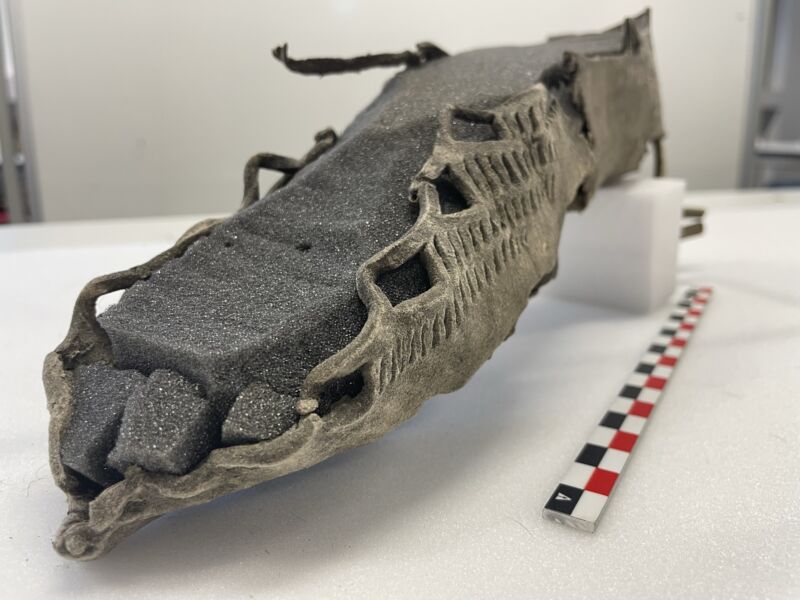
Melting ice on an alpine pass in Norway has revealed a 1500-year-old shoe amongst many other artefacts.

The Amazon appears to be full of lost pre-Columbian settlements and urban sprawl.

A short item on Ragged Schools, and especially the one for girls in Hastings.

Modern purple dyes were invented in London in the 1850s and initially manufactured close to where I now live.

Two short articles on the eccentricity that is Winchelsea Beach in Sussex.

IanVisits goes to look at the de Haviland Aircraft Museum on the edge of North London.


Lifestyle, Personal Development, Beliefs

Now here’s a real first world problem if ever there was one … should we embrace a cashless society? But one thing the author overlooks is that in a cashless society everything becomes electronic – which is fine until there’s a computer or power outage (accidental or sabotage).

Our favourite zen master, Brad Warner, is another one with a new book coming out.

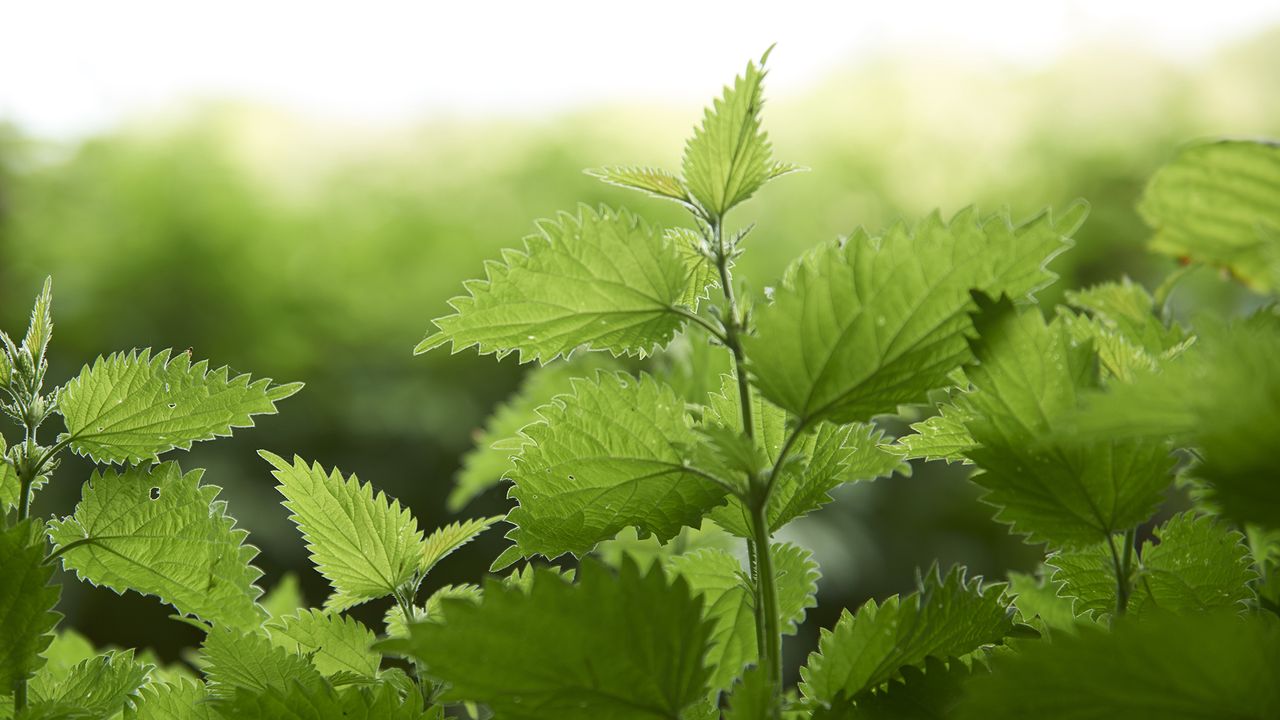
And finally … they’re generally hated, but we should really like them: stinging nettles. Eat them, make fabric from them, or just let them be to grow butterflies.


Monkeypox 5. Two Important Articles

I’m not going to provide another round-up of news on monkeypox; I’ll do that when there is some useful news.

However there are two important articles in the last couple of days which I want to draw attention to.

How to tell if your rash is monkeypox? See this from the BBC: Got a new rash? Monkeypox or something else?

Secondly many experts are saying that monkeypox is actually not what we should be worrying about; there are far more dangerous diseases waiting to pounce. See: Monkeypox isn’t the disease we should be worried about.

Monkeypox 4: SitRep

My latest update on the background to the monkeypox scare.

UK Situation

  1. As of the time of writing the UK has identified 71 cases. [4]
  2. The vast majority of identified cases are isolating at home and do not require hospital admission. [1]
  3. The closest contacts of confirmed cases are being offered the smallpox vaccine. This is the so-called “ring vaccination”. [1]
  4. These closest contacts – anyone who has had direct or household contact with a confirmed case – are being told to isolate for 21 days (ie. the longest incubation period). [1,2]
  5. The same high-risk contacts are advised to avoid immunosuppressed people, pregnant women and children under 12, as these groups are more vulnerable to serious infections. [1]
  6. Contacts are being asked to provide their details for contact tracing. [2]
  7. Sexual Health Clinics are still open for business, but are reported to be doing telephone triage. [4]

Global Situation

  1. More than 131 confirmed cases are being investigated in 15 countries. [4]
  2. More than half the cases are in Spain and Portugal. [1]
  3. The WHO says the outbreak is “containable” and is providing advice to countries on how to tackle the situation. [4]
  4. There seems to be some scaremongering (emanating from the NHS?) that you can be infected by eating meat. [5] Frankly, in my view, this is nonsense. Yes, in theory it may be possible to catch monkeypox from eating undercooked meat from an infected animal – which almost certainly means bushmeat. The chances of a food animal getting monkeypox and getting into the human food chain has to be vanishingly small.

Epidemiology

  1. Genetic analysis of three monkeypox viruses from the outbreak have found it closely matches the virus that spread from Nigeria in 2018 and 2019. [1]
  2. Monkeypox is less transmissible than SARS-CoV-2; the original Wuhan strain had an R0 of about 2.5. Monkeypox has had R0 under 1 in past outbreaks. [3]
  3. A high fraction of SARS-CoV-2 transmission, maybe half(?), comes from people who aren’t showing symptoms at the time; whereas monkeypox transmission before symptom onset seems to be relatively rare, if it happens at all. [3]
  4. The fact that very little if any monkeypox transmission occurs without symptoms means that if people start isolating once they begin to feel sick, they should be able to prevent almost all onward transmission. [3]
  5. Moreover monkeypox spreads slowly (symptom onset is 5-21 days from infection) compared with Covid (symptom onset 1-4 days). [4]
  6. This long incubation time gives contact tracers more time to identify contacts and set up ring vaccination. [3]
  7. Putting that all together suggests that cases are unlikely to rapidly increase and get out of control. [3]
  8. Studies suggest that a Belgian man contracted the virus on a recent trip to Portugal. [1]
  9. The pattern of the outbreak suggests the virus is spreading primarily through sexual networks. [1]
  10. Super-spreader events may have boosted the outbreak since it arrived in Europe. [1] This could be around the rave scene in Spain; a Gay Pride event in the Canary Islands is apparently being investigated. [6]
  11. Cases are being found which have no identified contact with west Africa. [2]
  12. Scientists have a big challenge as they currently do not know how many unreported cases there are; they’re currently seeing only the tip of the iceberg. [2]

References

[1] https://www.theguardian.com/world/2022/may/22/monkeypox-uk-health-security-agency-to-announce-more-cases
[2] https://www.bbc.co.uk/news/uk-61546480
[3] https://threadreaderapp.com/thread/1528450298901155841.html
[4] https://www.bbc.co.uk/news/health-61570562
[5] https://www.thisislocallondon.co.uk/news/national/uk-today/20159989.monkeypox-nhs-issues-warning-anyone-eats-meat-uk-cases-rise/
[6] https://www.thisislocallondon.co.uk/news/national/uk-today/20160206.monkeypox-outbreak-sex-raves-spain-belgium-may-blame/

Monkeypox 3: Viral Replication

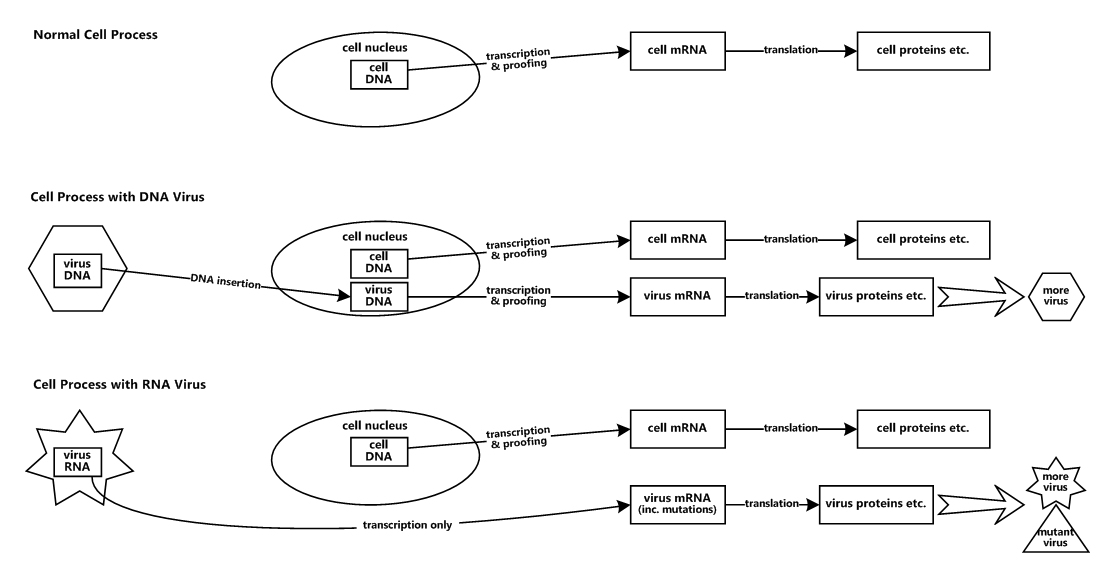
Following up on my earlier comment about monkeypox being a DNA virus and different to SARS-Cov-2 (which is an RNA virus), I figured a bit more (very low tech) explanation may help. First off some very simple explanations. (Don’t worry if you don’t know what any of these things are; just think of them as “stuff” or “method”.)

Virus. A pseudo-cell basically composed of some minimal amount of genetic code (DNA or RNA) encapsulated in a lipid (ie. fatty) membrane. It is unable to reproduce on it’s own and has to hijack the machinery of a host cell to make more copies of itself.

DNA. This is the chemical code which holds all our genes. It is composed of the “double helix” of two strands of DNA twined round each other – think of two intertwined springs. In order for the cell machinery to read the text of the DNA the two strands have to be zipped apart and then afterwards zipped back together. Think of this as a whole jumbled box of knitting patterns

RNA. This is essentially a short piece of code created from a piece of a single strand of DNA; it typically provides the instructions for making a single protein. Think of it as a single knitting pattern, extracted from that box of patterns.

Transcription is the process of unzipping the DNA and copying it to make the RNA; this happens only in the cell nucleus (the strong box which holds the DNA). As in all copying, errors can creep in. So the machinery in the cell nucleus contains a proofreading function which finds the errors and discards the overwhelming majority of them.

There are essentially two types of virus, characterised by how they store their genetic information: DNA viruses and RNA viruses.

DNA viruses (for example, monkeypox) have to insert their genetic code, held as DNA, into the cell nucleus, as that’s the only place where it can be transcribed into RNA. So transcription errors are booted out by the proofreading function and mutation happens very rarely.

RNA viruses (for example, SARS-Cov-2 and flu) don’t have DNA; their genetic code is held as RNA. RNA doesn’t use the cell nucleus for transcription and hence can’t take advantage of the proofreading function. So transcription errors don’t get weeded out and mutations happen very frequently.

The process of using RNA as a blueprint to make proteins etc. is called translation.

And that is an incredibly simplified description of the processes. The details are hideously complex, so hideously complex one can quite see why some people find it hard to believe this has arisen through evolution.


Here’s an equally very simplified diagram (what I drew) of the processes.

Very basic cell process and how it’s used by viruses
Click the image for a larger view

So that hopefully shows why Covid-19 is dangerous, why we need a new flu vaccine every year, and why we hopefully don’t need to be too worried about monkeypox.

Monkeypox 2. More Background

Here’s some more background on Monkeypox, following my item from Friday.

Let’s be very clear, right up front … We are not witnessing another Covid, and we’re not days away from lockdowns to contain the spread of monkeypox. However, this is an unusual and unprecedented monkeypox outbreak which has taken scientists who specialise in the disease by surprise – and that’s always a concern. [4]


Spread & Behaviour

  1. Monkeypox is so rare that that most doctors will never see a case in their lifetimes. [2]
  2. Monkeypox is not known to spread easily between people, although cases emerging in several countries at once, and signs of transmission in the community is striking. [1,2]
  3. However the UKHSA saying the risk to the population “remains low”. [1]
  4. The US Centers for Disease Control (CDC) states: “Human-to-human transmission is thought to occur primarily through large respiratory droplets. Respiratory droplets generally cannot travel more than a few feet, so prolonged face-to-face contact is required.” [1]
  5. The virus doesn’t usually spread easily between people as it requires prolonged close contact. [3]
  6. Its R value is generally less than 1, so outbreaks naturally peter out. [3]
  7. Monkeypox can also spread through close contact or by contact with clothing, towels or bedding used by an infected person. [1,3]
  8. It isn’t regarded as a sexually transmitted infection, but it can be passed on during sex via skin-to-skin contact. (This should not be surprising!) [1]
  9. It’s not clear why gay and bisexual men are disproportionately affected. Are sexual behaviours making it easier to spread, or is this just coincidence? After all this is, in general, a community that is more aware of sexual health and getting checked out. [4]
  10. So the latest cases raise many questions and the scientists don’t really have the sense yet of what’s driving this, especially as there’s no travel link that’s identified that links the cases. [2]
  11. So the scientists are very much in response mode: trying to identify cases and trace potential contacts. And because many of the cases don’t join up scientists are aware they’re seeing only the tip of the iceberg. [2,4]

Symptoms

  1. The incubation period between infection and symptoms is long, ranging from five to 21 days. [3]
  2. The first symptoms of monkeypox include fever, headache, muscle aches, backache, swollen lymph nodes, chills and exhaustion. [1]
  3. A rash can also develop, typically on the face first and then on other parts of the body, mainly hands, feet and genitals. The rash can initially look like chickenpox, before forming scabs. [1]
  4. Swollen lymph nodes are a defining feature found in monkeypox but not so common in chickenpox. Currently there are very few kids with monkeypox but the UK is seeing a big surge in chickenpox. So sick kids are more likely to have chickenpox, but be vigilant. [5]
  5. The pictures of large blisters and scabs in the media are an unusual presentation and thought to be more common with the more serious Congo strain of the virus. Most presentation is with small pustules and lesions which are no more than 5mm in size. (Pictures in the references.) [5]

Different Strains

  1. There are two main types of monkeypox: the Congo strain and the West African strain. Only the West African strain has been identified in the UK. [1]
  2. The death rate from the Congo strain is thought to be 1 in 10, whereas it is only 1 in 100 for the West Africa strain.
    These are likely to be upper estimates as it is unknown how many (mild) cases go unreported. [1]
  3. It is unknown at this time if the current outbreak is due to a new strain of monkeypox. The sequencing work now being carried out should tell us. [1]
  4. Very early genetic analysis suggests the current cases are very closely related to forms of the virus seen in 2018 and 2019. It is too early to be sure, but for now there is no evidence this is a new mutant variant at play. [4]

Treatments

  1. The antiviral drug tecovirimat is approved in Europe for treating monkeypox, smallpox and cowpox; and approved in the US for smallpox. [1]
  2. The Jynneos vaccine is approved in the US and Europe for preventing monkeypox and smallpox in people aged over 18.
  3. In addition, those who are old enough to have been vaccinated against smallpox as babies should have some protection. Routine smallpox vaccination ended in the UK in 1971 and in the US in 1972. [1]

Pandemic?

  1. Monkeypox isn’t COVID. They’re very different diseases caused by different viruses with markedly different properties. COVID was completely unfamiliar when it first appeared, but monkeypox is a known quantity, and experts on the virus actually exist. [3]
  2. While researchers aren’t completely ruling out a pandemic, they don’t think it is at all likely. [1]
  3. Experts stress that monkeypox is very different from coronavirus. Monkeypox is a DNA virus so it does not mutate as rapidly as Covid or flu. [4]
  4. They’re also saying it’s important not to put this on the same level as a novel coronavirus. [1]
  5. Nevertheless monkeypox is a test of the lessons that the world has (or hasn’t) learned from COVID. [3]
  6. The US, at least, is in a better position with monkeypox than with Covid. They had not planned for a coronavirus pandemic, but they have spent decades thinking about how to handle smallpox bioterrorism. [3]
  7. The UKHSA are saying the risk to the UK population amid the ongoing outbreak “remains low”. [1]

Finally … Be vigilant. If you’re at all concerned phone 111 (in UK) or your doctor. But if you think you might have monkeypox DON’T just turn up at a doctor’s surgery (or sexual health clinic, or hospital); phone ahead so they know you’re coming and can prepare appropriate PPE and protective measures. [5]


References

[1] https://www.newscientist.com/article/2321212-could-monkeypox-become-a-pandemic-heres-everything-you-need-to-know/
[2] https://www.washingtonpost.com/health/2022/05/18/monkeypox-faq/
[3] https://www.bbc.co.uk/news/health-61524508
[5] Meaghan Kall of UKHSA on Twitter; https://twitter.com/kallmemeg/status/1528044499288657920

Monkeypox

OK guys, so here’s another (not quite new) zoonotic disease for us to get our heads round and which piques my forensic nature: Monkeypox.

As of writing there are now 20 cases reported in the UK [1], with over 100 across mainland Europe [5] – where there seems to be a hotspot in Spain – and cases in the US, Canada and Australia. It is being suggested [2] that a number of cases will be being missed due to a similarity with chickenpox.

Monkeypox is a viral disease which is thought to be carried mostly by rodents and is prevalent in remote central and western areas Africa. Cases outside Africa are almost always associated with travel to that continent. That makes the current outbreak in the UK and beyond especially interesting. Although the first reported UK case in early May was in someone recently returned from west Africa, many of the more recent cases apparently do not have an obvious connection to African travel. Perhaps even more interesting is that a significant number of the UK cases are in men who have sex with men (MSM).

The virus is not transmitted in the same way as Covid or flu, but through close bodily contact with an infected person; it can enter the body through broken skin, the airways, eyes, nose or mouth [3]. However it has not previously been described as a sexually transmitted infection – although sex tends to involve close bodily contact! Spread is also possible from infected animals (eg. monkeys, rodents) or from virus-contaminated objects (eg. bedding and clothing).

Unfortunately the initial symptoms are very much like most viral illnesses: fever, headaches, swollen glands, back pain, aching muscles and a general listlessness. Only later does the rash develop; it often begins on the face, and then spreads to other parts of the body, most commonly the palms of the hands and soles of the feet. The rash, which can be extremely itchy, goes through several stages before forming a scab, which later falls off. Although there is no treatment for monkeypox, and no specific vaccine, most cases resolve within 2-3 weeks.

As the name implies, monkeypox is an Orthopoxvirus very closely related to smallpox (also cowpox). The smallpox vaccine is reportedly highly effective protection [3], so anyone who has been vaccinated against smallpox should have some protecton. Have you been vaccinated against smallpox? Smallpox vaccination was compulsory in the UK between 1853 and 1971 [4] so many people over 50 will have been vaccinated, although apparently compliance was falling before the vaccination requirement was removed.

Should we be worried? Current advice is NO. The risk to the public at large is thought to be very low especially as the virus does not spread easily. But then we originally thought that about Covid-19. So no, don’t panic or be alarmed; but do remain alert and if in any doubt about symptoms talk to your GP.


References
[1] https://www.bbc.co.uk/news/health-61506562
[2] https://www.thisislocallondon.co.uk/news/national/uk-today/20154025.monkeypox-cases-uk-double-20/
[3] https://www.bbc.co.uk/news/health-45665821
[4] https://www.ncbi.nlm.nih.gov/books/NBK545998/
[5] https://www.independent.co.uk/news/health/monkeypox-virus-infection-case-symptoms-live-uk-b2083515.html

Monthly Links

So here’s this month’s selection of links to items you missed the first time and will wish you hadn’t. And of course it’s the usual mixed bag, starting with the hard stuff.


Science, Technology, Natural World

Researchers think they’ve worked out the origin date for the ancient Antikythera mechanism – although they don’t all agree. I find this whole artefact just mind-boggling.

Antikythera Mechanism

A different set of researchers think they’ve uncovered the fossil remains of a dinosaur and some other creatures killed and entombed on the actual day the Yacatan asteroid hit 66m years ago.

First humans and animals, then trees, and now it seems mushrooms talk to each other.


Health, Medicine

Derek Lowe, our favourite pharmaceutical chemist, looks at why phenylephrine is useless as a decongestant.

Vagina Obscura, a new book by Rachel Gross, reviews the biology of female organs, including the vagina, uterus and ovaries, and how scientists are filling in the gaps in knowledge.

Maybe sometime, maybe soon, medicine will be able to “fix” menstruation.

Here’s a young lady with a very rare and disturbing visual condition.


Sexuality

If you fancy a trip to Italy you have until 15 January next year to see the current exhibition of Pompeii’s sex scenes and erotica.


Environment

It seems that peregrine falcons have have made my local (Ealing) hospital their base – well the appalling building has to be good for something!

Giant Orchid (Himantoglossum robertianum)

Meanwhile in Oxfordshire, Giant Orchids (Himantoglossum robertianum) have been found growing wild for the first time in the UK.

It’s being reported that new government rules will provide extra protection for adders and slowworms; which will be good if it happens.


History, Archaeology, Anthropology

A farmer in Gaza has uncovered a 4,500-year-old statue of Canaanite goddess.

Archaeologists at Uruk in Iraq have unearthed, and are trying to recover, an ancient Sumerian riverboat.

Meanwhile in the Assam region of India archaeologists have found more than a few ancient and mysterious giant stone jars.

Still in the ancient world, the grave has been found of an ancient Peruvian who was buried with tools for cranial surgery.

Nearer to home, and to our time, Dr Eleanor Janega, of Going Medieval, looks at the old moneymaking trick of selling indulgences.

Eleanor Janega also writes about a favourite saint: St Sebastian.

In 1580 there was an earthquake, with an epicentre in the Dover Straits, which damaged London’s (Old) St Paul’s Cathedral; needless to say this spawned a flurry of pamphlets – the Facebook of their day.

And almost right up to date, IanVisits looks at a new exhibition about the history of the UK’s postcodes.


London

On another track, IanVisits takes a look behind the scenes at the huge upgrade project nearing completion at London’s Bank Underground station.


Lifestyle, Personal Development, Beliefs

Dungeness (Image: IanVisits)

Oh no! Not again! Yet another item from IanVisits! This time he takes a day trip to Hythe and Dungeness – to explore both and also ride on the Romney, Hythe & Dymchurch Railway.


Shock, Horror, Humour, Wow!

And finally for this month Tom Lamont in the Guardian takes a look at a day in the life of (almost) every vending machine in the world. [LONG READ]


You May Have Missed …

Here’s this month’s selection of links to items you may have missed.


Science, Technology, Natural World

Would you like to fly round the moon? If so, then NASA are giving away free flights for your name on their upcoming Artemis I mission.

Image NASA. Click for larger view.

Cosmologist Katie Mack talks about spotting and combating physics falsehoods online.

Researchers have found the huge and mysterious Hiawatha crater in Greenland to be 58 million years old.

Zoologist Lucy Cooke is waging war on Darwin’s prevailing view of the dominance of males and their benefit from promiscuity. Two articles, the first from the Guardian, the second from New Scientist [£££].

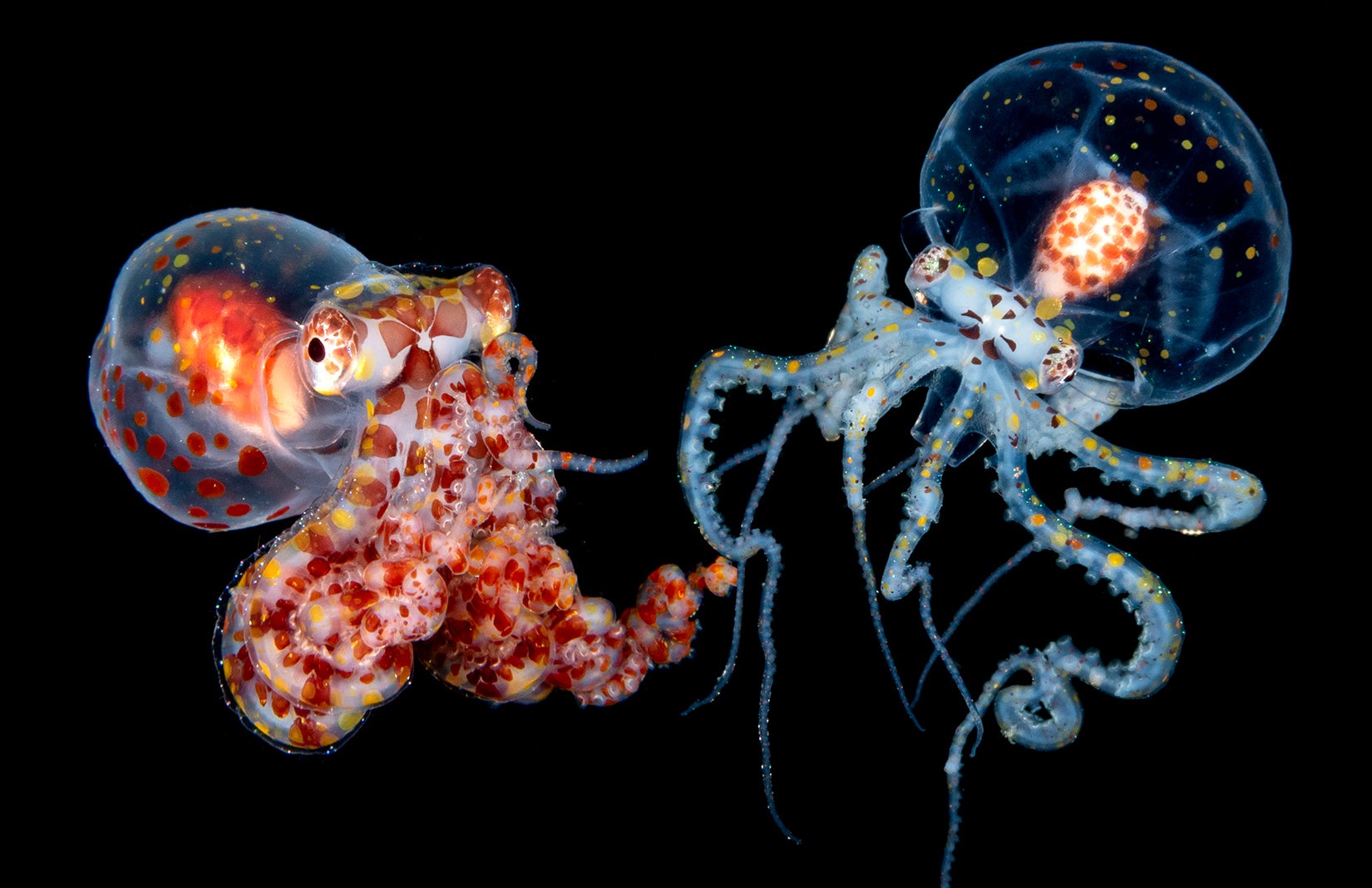
Palaeontologists have described a ten-limbed ancestor of modern octopuses, and named it after Joe Biden.

The largest ever family tree of humanity reveals our species’ history, where we originated and how we spread across the world. [£££]

The Eden Project in Cornwall have succeeded in getting their nutmeg tree to fruit for the first time since planting in 2001.

Image Eden Project

There’s a new drive to produce the red dye cochineal industrially without having to squash thousands of insects.


Health, Medicine

Here’s an interesting article about the work to identify which flu strains to put in this year’s vaccine – and some of the people who spend their lives trying to spot the emerging strains. [LONG READ]

And now another pair of articles, this time looking at the long-term, but haphazard, effect of Epstein-Barr virus, which is responsible for glandular fever. Again the first is from the Guardian, and the second from The Atlantic. [LONG READS]


Environment

One American academic has demonstrated that by just redesigning both homes and industrial processes it is possible to use almost no external power – and overall it is the cheapest solution! And yes, he has actually done it, and lives in the house.

An iconoclastic letter in New Scientist suggesting that as we’ve paved over much of our world we would do well to rip it up and plant trees instead. [£££]


History, Archaeology, Anthropology

1700 years ago a Roman boat sank in shallow waters just off Mallorca on the Spanish coast. Archaeologists are now retrieving the amazingly well preserved cargo.

In what shouldn’t be a surprise the teams restoring Notre Dame in Paris have found early tombs and a lead sarcophagus under the cathedral’s floor.

Medievalist Dr Eleanor Janega goes looking at non-written communication in Norwich.

And here’s Eleanor Janega again, this time looking at medieval attitudes to semen and female sexuality.

Despite our misogynistic view, there were female composers in the Renaissance. Now more of the ground-breaking work of Maddalena Casulana has been pieced together and performed.

Now not quite up to date … An expedition has found the surprisingly intact wreck of Ernest Shackleton’s ship Endurance off coast of Antarctica.

Image Falklands Maritime Heritage Trust/NatGeo

London

IanVisits takes an opportunity for a look inside London’s Ukrainian Cathedral.

IanVisits has also managed a sneak preview of London’s new Elizabeth line railway (aka. Crossrail).


Lifestyle, Personal Development, Beliefs

Comedian David Baddiel talks about his life-long love of cats. [LONG READ]

Meanwhile a forensic pathologist wishes that a legacy of Covid lockdown is that we change the way we talk about death.

Japan may also need a new narrative as their so-called “killing stone” has split in two, releasing superstition and allegedly a nine-tailed fox. In two stories there’s the usual media-hyped look in the Guardian; however the Japanese think the media have the story wrong as Hiroko Yoda writes on Twitter.

And finally one of the great British train journeys which is high on my bucket list … the longest journey on a single train from Aberdeen to Penzance. I actually want to do Thurso/Wick to Penzance, with Kyle of Lochalsh, Fort William and Mallaig thrown in. I’m not holding my breath in the hope of ever doing it.