Category Archives: medical

Monthly Links

Here’s this month’s collection of links to items you may have missed. But oh dear, there are a lot of long reads.


Science, Technology, Natural World

We were recently buzzed by an unannounced asteroid.

Quaoar, a dwarf planet out in the Kuiper Belt, is host to a dust ring which really shouldn’t be there.

Confounding things a bit further, astronomers think they’ve spotted the Universe’s first stars. [LONG READ]

Meanwhile cosmologists are wondering if they can untangle the universe’s most elusive mysteries. [LONG READ]

Not to be left out the SETI alien hunters are beginning to use AI to analyse signals. [LONG READ]

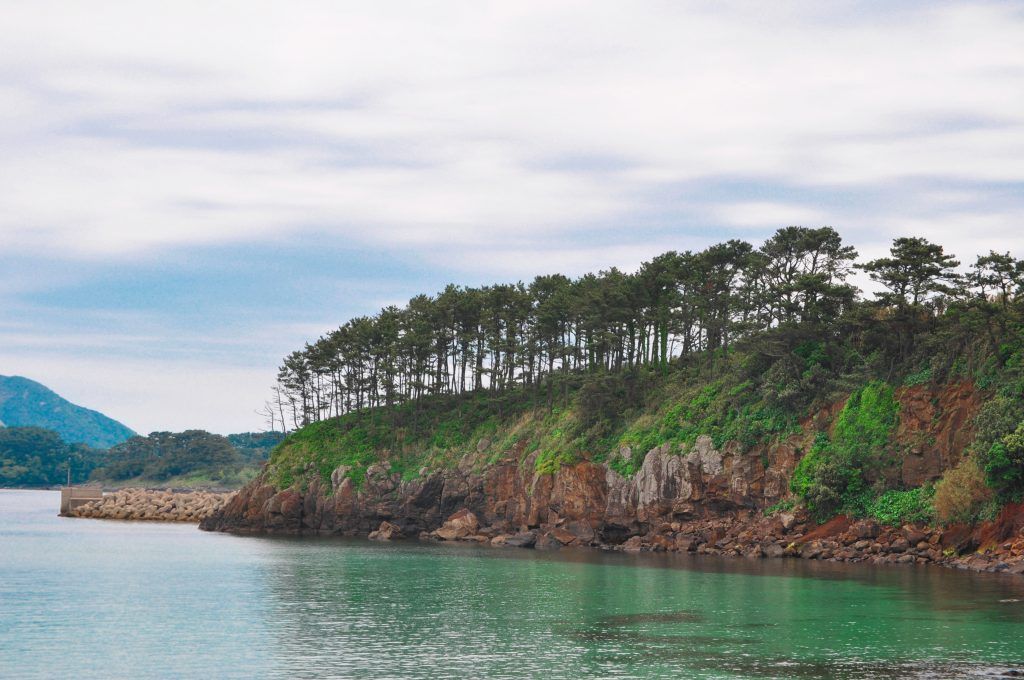
Back on terra firma there’s been a recount which has doubled the number of Japan’s islands.

Archaeologists are also using new LIDAR technology to scan huge areas from the air; with years of fieldwork possible in an afternoon!

A fossil “crocodile” found on the Jurassic Coast at Charmouth, Dorset turns out to be a new genus of ancient croc-like animal.

Researchers have finally been able to work out how fingerprints form, and it follows a model proposed in 1950s by mathematician Alan Turing.


Health, Medicine

Misophonia, otherwise known as “sound rage”, is a markedly decreased tolerance to certain sounds and it can be truly debilitating.

Scientists have discovered albicidin, a plant toxin which uses a previously unknown method to kill bacteria, and so could be a route to new antibiotics.

Leprosy is an ancient disease, but one which scientists still don’t properly understand.

And here’s another puzzle: the anti-TB vaccine BCG is 100 years old; the puzzle is that it can also be active against a number of other diseases including some cancers and even Covid.

So, really, how does caffeine affect our bodies? [LONG READ]

It is being increasingly recognised that depression is not caused by a chemical imbalance in the brain, but the jury is still out on the actual cause. [LONG READ]

Is it possible for our brains to be taken over, turning us into zombies?


Sexuality

We all look for that elusive spark, but what really does ignite a long-lasting relationship? [LONG READ]

Research into intimacy challenges popular notions about sexual fulfilment and a great sex life.


Environment

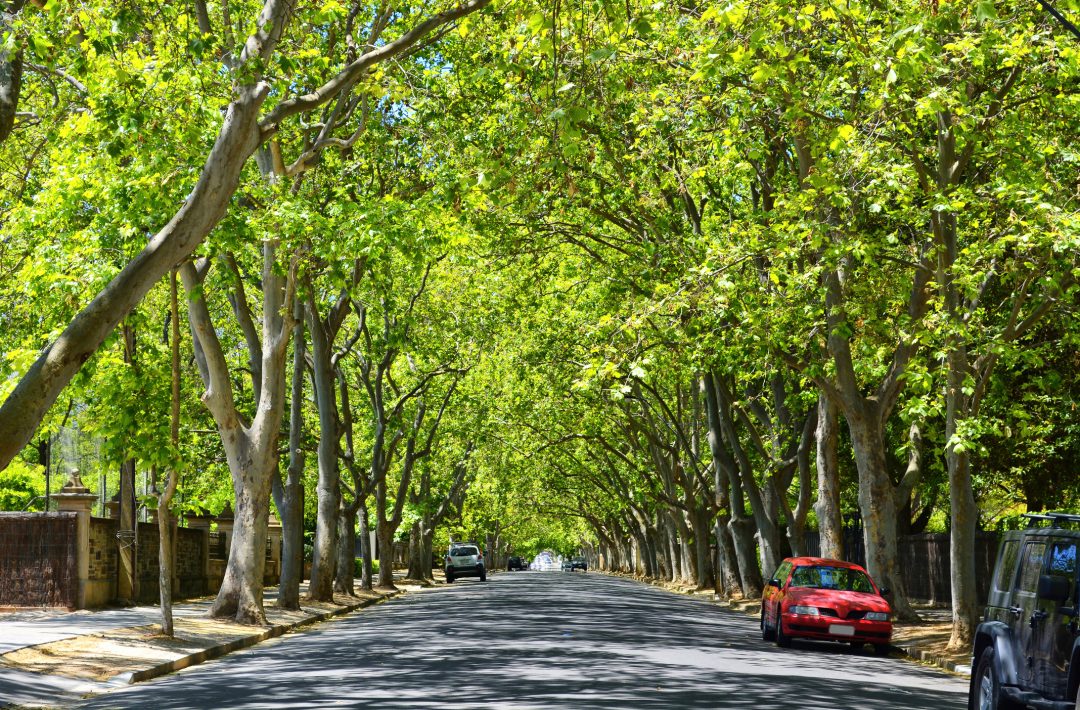
Planting more trees in cities could cut deaths from summer heat.


History, Archaeology, Anthropology

Palaeontologists have discovered apparently 3 million year old stone tools in Kenya. But who made them?

Fast forward to ancient Egypt and a gold-covered mummy found in newly discovered tombs at Saqqara.

Also at Saqqara scientists have analysed the residue in various pots to thrown more light on Egyptian embalming techniques.

Roll forward a bit more in time and across to Britain where archaeologists have found a trove of lost jewellery in a Roman bathhouse drain near Hadrian’s Wall.

And so to Spain, where a lost medieval synagogue has been revealed in a former Andalusian bar.

Back in Britain, a metal detectorist has unearthed a stunning gold pendant and chain associated With Henry VIII and Katherine of Aragon.

There’s a shipwreck just off the south coast of England, near Eastbourne, which turns out to be an important 17th-century Dutch warship.


London

London has a surprising number of abandoned tube stations; here are the stories behind eleven of them.


Lifestyle, Personal Development, Beliefs

Dowsing has long been controversial, but one journalist is brave enough to try it out.

Calmness is important, so here are a few ways in which we can try to achieve it.

And that goes hand-in-hand with meditation without meditating!

Having mastered that here are ten rules of philosophy to live by. [LONG READ]

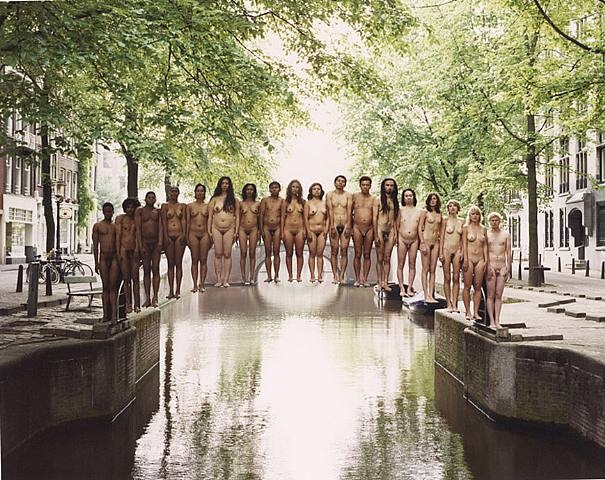
And finally three items on one of my pet subjects: naturism.
First, how can we normalise naturism in modern society? [LONG READ]
Having done that let’s indulge in Work Naked Day.
Then we can use conscious nudity for enchantment and reconnection with the earth. [LONG READ]


Monthly Links

Welcome to this the first of our 2023 round-ups of links to items you my have missed the first time. There’s plenty here, with a lot of long reads, so let’s get going!


Science, Technology, Natural World

Last year London’s Natural History Museum officially named 351 new species, and surprisingly a quarter of them are wasps.

Still at London’s NHM, Anna Turns in the Guardian visits their secret vault of whale skeletons.

Somewhat differently, palaeontologists have been working out the details of sex with Neanderthals. [LONG READ]

And here’s an interview with Nobel laureate Svante Pääbo on understanding Neanderthals.

Turns out there are human only genes which increase brain size. We need to be very careful with them.

On the improvement of synthetic routes to recreational drugs.

It’s the hidden properties of many rare earth elements which have enabled our modern technology. [LONG READ]

Roman concrete was much different from our modern version, and its self-healing properties could benefit modern construction.

Meanwhile, a volcanic eruption in the wrong place could cause havoc for world trade, much worse than a ship stuck in the Suez Canal ever could. [LONG READ]

So what actually happens when a huge ship sinks? How are the worst effects of a disaster averted? [LONG READ]

From lost ships to lost nuclear weapons which no-one can find. [LONG READ]

Which brings us conveniently to a look at the discovery, properties and politics of uranium. [LONG READ]

There’s long been talk of an undiscovered Planet Nine in our solar system, but if it is there why hasn’t it been seen? [LONG READ]

And finally in this section, one for those who like their brain strained … quantum reality is impossible to measure, so how can we possibly understand it? [£££]


Health, Medicine

All is not always what it seems … it appears there is a mystery virus which confers protection against monkeypox. [LONG READ]

In complete contrast, here’s a brief history of the clitoris.


Environment

Fewer and fewer migrant birds are visiting our shores as the climate crisis takes its toll.


Art, Literature, Language, Music

On the peculiarity of American copyright law.

Against which here are five lesbian expressions from the 19th century to remember when watching Gentleman Jack.


History, Archaeology, Anthropology

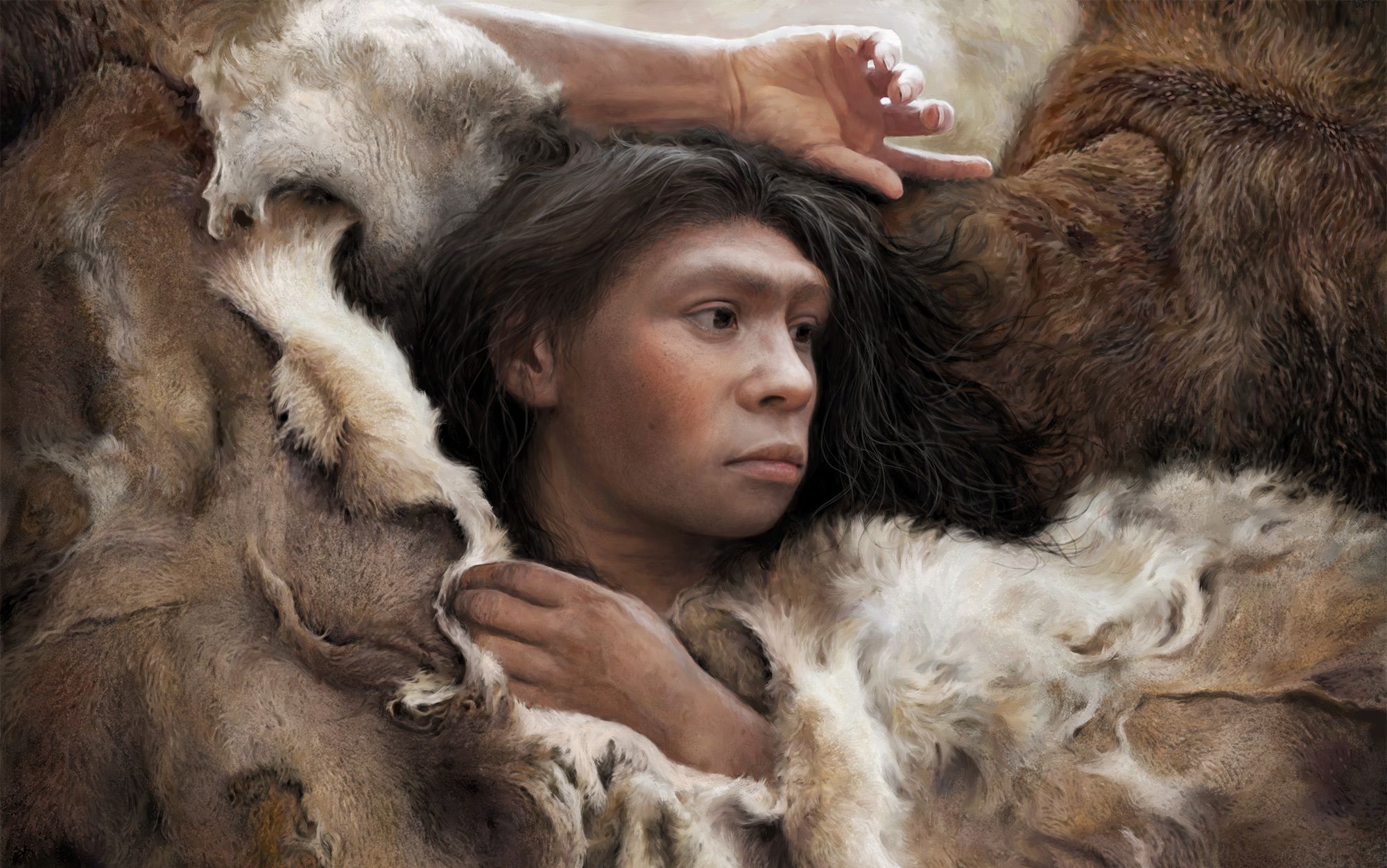
What do we know about the lives of Neanderthal women? [LONG READ]

Egyptian researchers have used high-tech digital scanning to to look at a 2300 year old mummified boy.

Archaeologists reckon to have found the world’s oldest runestone in Norway.

It seems there was a medieval habit of dividing the night into “two sleeps“. [LONG READ]

A medieval pendant unearthed in Germany has had its secrets unveiled by neutron imaging.

Here’s our favourite medievalist on the gossiping of the female. [LONG READ]

And again we have said medievalist, this time on medieval standards of beauty. [LONG READ]

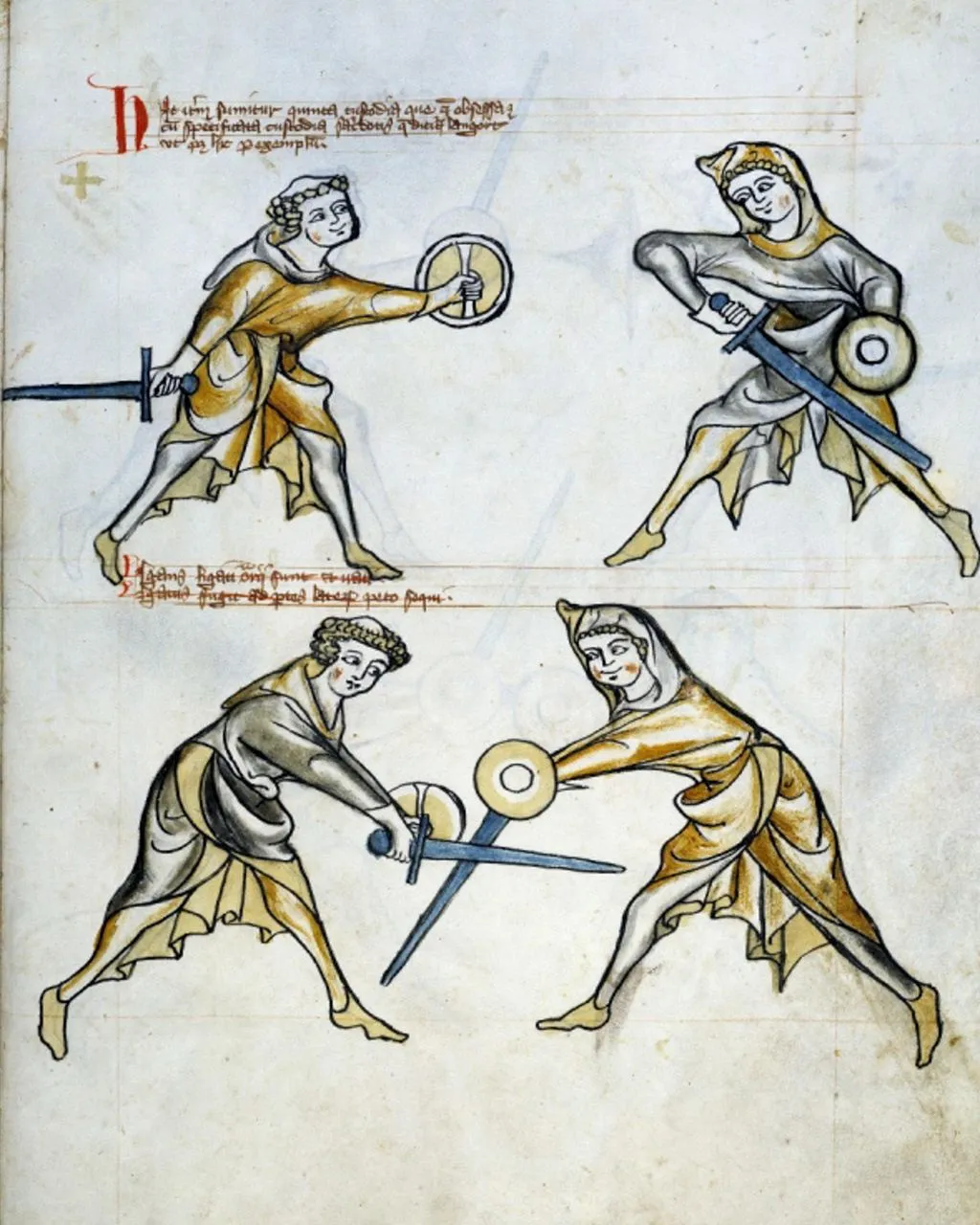
There were many medieval manuals which taught sword-fighting, but modern experts are unable to decode all the tricks. [LONG READ]

Twenty years ago the remains of a medieval trading ship were discovered in Newport, South Wales. The remains have now been preserved and its custodians now have a huge 2500 piece jigsaw.

Here’s a look at the dilemmas in dating old buildings. [LONG READ]

The blog A London Inheritance goes back 300 years and looks at the London events of 1723. [LONG READ]

Coming almost up to date, the Dutch have released a WWII map purporting to show where a hoard of Nazi treasure is hidden.


Lifestyle, Personal Development, Beliefs

Tom Lamont in the Guardian takes a look at some of the UK’s more ribald placenames.

According to the 2021 census, the fastest growing religion in England & Wales is shamanism. But what is it?

The idea of “love languages” – or how we feel nourished by our partners – has been around for 30 years and does seems to help people.

So this is what the experts suggest about how to be the best possible parent, lover, friend, citizen or tourist.

A look at why the right to protest and dissent is so important.


People

Christina Bowen Bravery on becoming a world champion stone skimmer.


Shock, Horror, Humour, Wow!

One young art student discovers that her pubic hair is a capitalist.

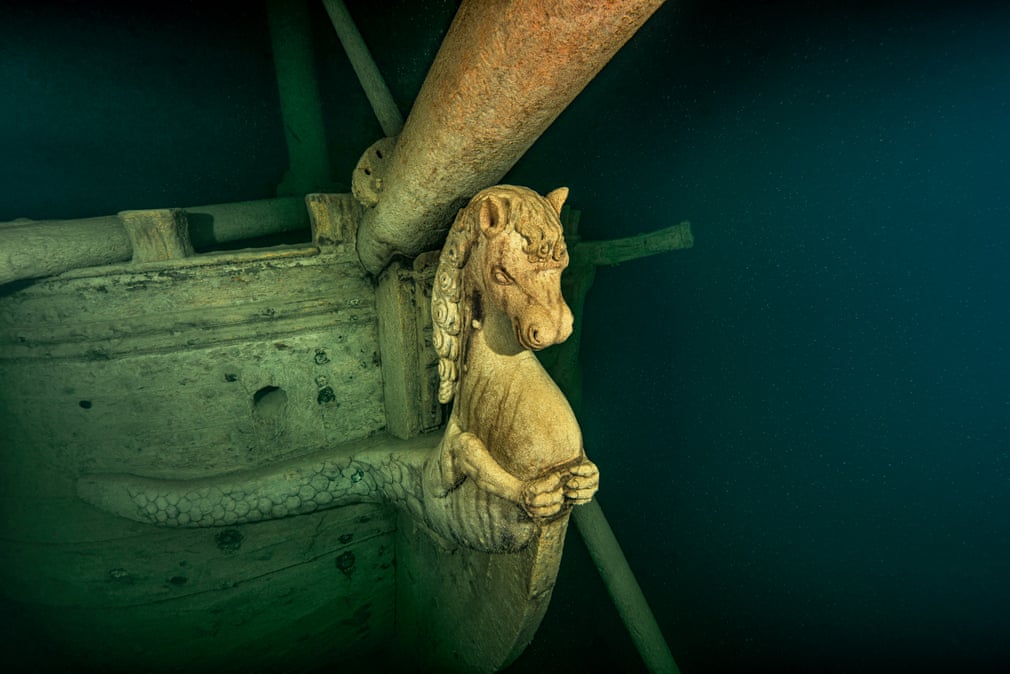
And finally, some incredible images of the eerie shipwrecks in the Baltic Sea.


On Depression – IX

Another in my very occasional series of articles on depression – my depression. They are written from a very personal perspective; they are my views of how I see things working and what it feels like on the inside. Your views and experiences may be vastly different. My views and experiences are not necessarily backed by scientific evidence or current medical opinion. These articles are not medical advice or treatment pathways. If you think you have a problem then you should talk to your primary care physician.


It’s a couple of years since I wrote about depression, and as I said last time it’s not that my depression has improved; if anything the opposite. There just doesn’t seem to have been a lot new to say.

However in the last couple of weeks there have been two major articles (one in New Scientist [£££], the other in Quanta).

Both articles report on (the same) research which suggests that the physiological causes of depression are a lot more complicated than the current model – which blames it all on the activity of serotonin.

We know some part of depression has a genetic cause. It is thought up to 40% is genetic, although only 5% is currently proven. But there are molecules other than serotonin which are being implicated. Unsurprisingly some are in the metabolic pathway of serotonin, and all seem to be doing things other than just increasing serotonin levels. This could account for a significant number of depressives not responding (or not responding well) to drugs which target only serotonin.

One leading theory is that the chemistry of the serotonin pathway is majorly affected by chronic, systemic inflammation. Certainly people with chronic inflammatory diseases like lupus and rheumatoid arthritis are known to be more prone to depression. It is also a component of Long Covid and other post-viral syndromes.

There is also evidence, that depression can be affected, if not directly caused, by the action of some bacteria in the gut microbiome. It is known that much of our serotonin and its precursors are produced in the gut. What isn’t known is precisely how this affects brain metabolism. But there are reports, many anecdotal, that taking probiotics can release depression. But it doesn’t work for everyone. It doesn’t obviously work for me.

There are then the psychological factors which may trigger those otherwise vulnerable to depression, or may exacerbate a pre-existing condition. However it seems unlikely that psychology is the sole cause.

The net result is “It’s complicated”, and it could turn out that “depression” is really an umbrella covering a multitude of different causes. We’re therefore going to need a range of medical interventions to follow on from a way of establishing the differential diagnoses.

Meanwhile I keep wondering what state I’d be in without SSRI antidepressants. Would I be worse? Are they really doing any good? Is there likely to be anything better? I don’t know the answer, and to be frank, I’m frightened to try finding out.

It’s a bugger.

Monthly Links

And so to the final 2022 edition of my monthly links to items you may have missed.


Science, Technology, Natural World

There are quite a few scientific discoveries this month, so let’s start at the bottom and work up …

Scientists have discovered what they think is the world’s longest animal off Western Australia: a 45-metre-long deep-sea siphonophore.

Also found in the deep off Madagascar, scientists have named two new species of rare six-gill sawsharks.

Female sexual anatomy is generally poorly studied in all species, and snakes are no exception. So it’s only now that scientists have discovered that female snakes have a clitoris, or two. Two articles: one from Science News, the other from The Scientist.

So what do you find in a museum cupboard? In this case the thought lost pelt and skeleton of the last Thylacine (aka. Tasmanian Tiger).

Still in Australia, a group of female cowgirls, sorry graziers, have discovered the first intact fossilised skull, and most of the body, of a 100m-year-old plesiosaur.

And still going up, scientists have now found that the Tonga volcano eruption last January was larger and more interesting than previously thought.

Finally for this section, the Guardian had a long article on the epic task of shutting down and cleaning up the Sellafield nuclear facility. [LONG READ]


Health, Medicine

Scientists are beginning to rethink their ideas about what actually causes Alzheimer’s Disease. [VERY LONG READ]

Careful scientific analysis shows that Covid vaccines can temporarily disrupt the menstrual cycle – although Covid itself doesn’t. [£££]

There’s been a huge rise in the number of girls questioning their gender identity, and the professionals don’t really understand why. [LONG READ]


Art, Literature, Language, Music

There’s now brouhaha surrounding the artist and sexual abuser Eric Gill, as Ditchling’s museum effectively chooses to totally ignore their most famous artist. (Just don’t get me started! None of this is new, his abuse has been known about for at least 50 years.)


History, Archaeology, Anthropology

The area around Stonehenge continues to throw up important archaeology. Experts have now figured out that some Neolithic stone axes were much later used as part of a goldsmith’s toolkit.

A group of researchers have discovered over 100 previously unknown designs in Peru’s ancient Nazca plain.

Archaeologists in Rutland have uncovered a barn which was converted into a Roman bathing suite (complete with steam room) for use by the house’s owners.

Yet more archaeologists, this time in Northamptonshire, have uncovered an early medieval burial with a stunning necklace. Two reports from the BBC and The Conversation.


London

The Houses of Parliament are probably hiding a medieval river wall.


Food, Drink

Are sweeteners as harmless as we thought? The jury is still out but it looks doubtful. [LONG READ]

Don’t despise the humble Brussels sprout; they contain as much vitamin C as oranges plus many other health benefits.

And while we’re on healthy food, here are six reasons why, despite popular myth, potatoes are good for you.

So microbiologists have found the ancestor of modern brewing yeast, and then discovered it living under their noses in Ireland.

Finally on food, Ali Ahmed Aslam, the inventor of chicken tikka masala, has died aged 77.


Lifestyle, Personal Development, Beliefs

Yes, I am a nudist, so what?


People

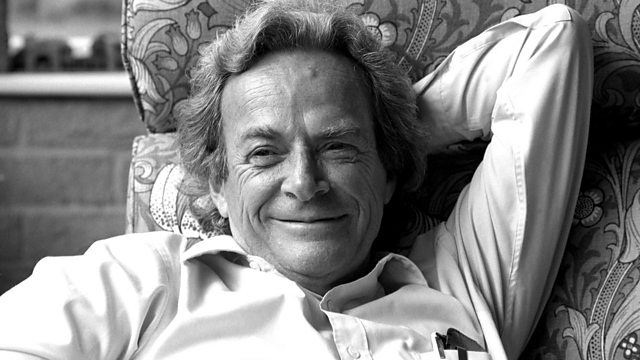
And finally for this year, here are 10 reasons why Richard Feynman was more than just a physicist.


Book Review: Anatomical Oddities

Alice Roberts
Anatomical Oddities

Simon & Schuster; 2022

How much do you know about your insides? Most of us have an idea of how our bodies work; for some it is fairly sketchy, but for others there’s a bit more detail. But unless you’re a medic you’re unlikely to understand the minutiae and you need an anatomist to point out the nooks, crannies and curiosities.
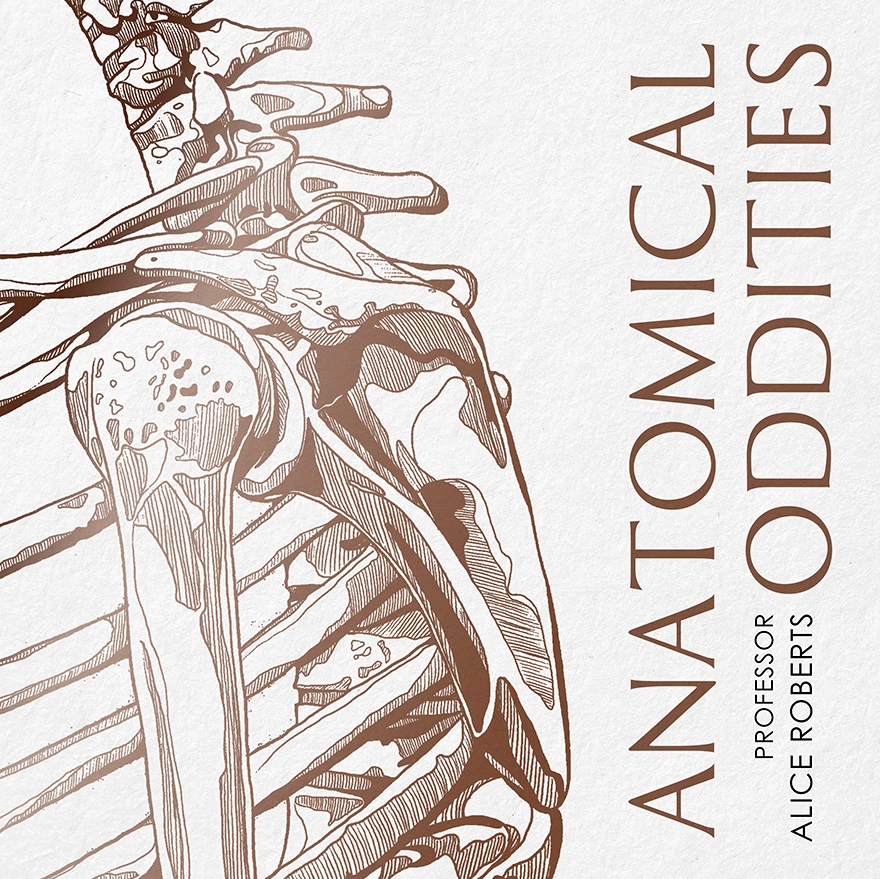
This is where Alice Roberts comes in. She is first and foremost an anatomist, with an incredible artistic ability. So just the person to explain the idiosyncrasies of our anatomy – which this delightful book both does and doesn’t.

Every part of the human body has a name, and a story (or several). Roberts has selected just under 60 pieces of anatomy; some known to us all; some totally unseen; but all with a story of language and/or discovery. The text is concise and clear; we’re treated to one-page sketches of the people who unearthed the anatomical secrets, and the meanings of the words used to describe them; with, on the facing page, an original illustration by Roberts.

So this book is an artistic and linguistic adventure taking us on a journey to discover some hidden landscapes of our bodies. The text is more about language, the derivation of the names of things, and their discoverers, than it is about form and function. I love these explorations of the language and names, but felt slightly cheated at the frequently superficial explanation of medical function.

In this context I also felt Roberts’s lovely art needed some explanation and annotation to show exactly what we’re looking at – it’s not always obvious which part of a drawing is the structure under discussion or how it fits into its surroundings. Nonetheless Roberts’s original art is interesting: quirky and bizarre, but always beautiful.

Roberts explores the quirks of evolution which have given us the weirdest and most wonderful pieces of anatomy – most of which we’ve never heard of – in an immensely readable and well produced book. Like all her books, this is a delight.

Overall Rating: ★★★★★

Monthly Links

Well then, guys & gals, it’s time for our monthly round up of links to items I thought interesting, and you might too. And having missed last month’s collection we have a lot to catch up on!


Science, Technology, Natural World

The latest research suggests that we Brits are not descended from a single group. Apparently the UK had at least two genetically distinct human groups at end of last ice age.

whiskered cat

We, like all apes, have lost our whiskers, but for those animals that still have them they are incredibly important. Here are five things you didn’t know. [VIDEO]

Palaeontologists have been looking at some ancient fish fossils and found they highlight the strangeness of our vertebrate ancestors.

Still with things watery, scientists have discovered living specimens of a clam thought to have gone extinct 40,000 years ago.

Also in the oceans, the denizens of the deep near the Cocos Islands have a array of glassy fangs and glowing fins.

Back on dry land, entomologists are also finding things they thought they’d lost. This time they’ve been searching in Indonesia for surviving colonies of Wallace’s Giant Bee, Megachile pluto. Two stories, first from the Guardian, second from the Smithsonian.

Here’s another oddity … A UK cat charity is looking to find a home for a kitten which is neither male nor female (and no, not intersex either!).

Do we all experience colour in the same way? It’s an intriguing question. Initially you’d say “yes”, but on reflection that would probably change to “no”. So where is the truth?
And here’s another take on colour perception. [LONG READ]

Finally, away from biology … On Saturday 19 November 2022 – yes, that recently! – a tiny asteroid fell from the sky over Ontario, Canada. What’s so special, is that it was spotted just 3½ hours from touchdown, but in that time NASA were able to compute it’s exact impact location.


Health, Medicine

Bird flu (H5N1) is already a huge problem for the poultry industry across Europe with millions of birds being culled. But worryingly a small number of key mutations would make it more easily jump from birds to humans, and to spread between us. And we have no protection beyond lockdown.

Quietly, in their labs, scientists are still working on new Covid-19 vaccines, and they may urn out to work very differently. [LONG READ]

Another approach to controlling Covid-19, and indeed many other infectious diseases, is to use UV light – and scientists think they’ve found a UV wavelength which kills germs but is save for us. [LONG READ]

Now to an old disease … the Black Death of 14th Century is still affecting our health today.


Environment

Conserving the environment and economic progress are not mutually incompatible and dismissing environmentalists as “anti-growth” is wrong. [££££]


Art, Literature, Language, Music

Harry Mount (Editor of The Oldie) takes a look at the importance and joy of rude Latin graffiti.


History, Archaeology, Anthropology

Archaeologists working to reconstruct the ancient Mashki Gate in northern Iraq have unearthed beautiful rock carvings that are about 2,700 years old.

Here’s the latest article looking at the Antikythera Mechanism and what it is. [LONG READ]

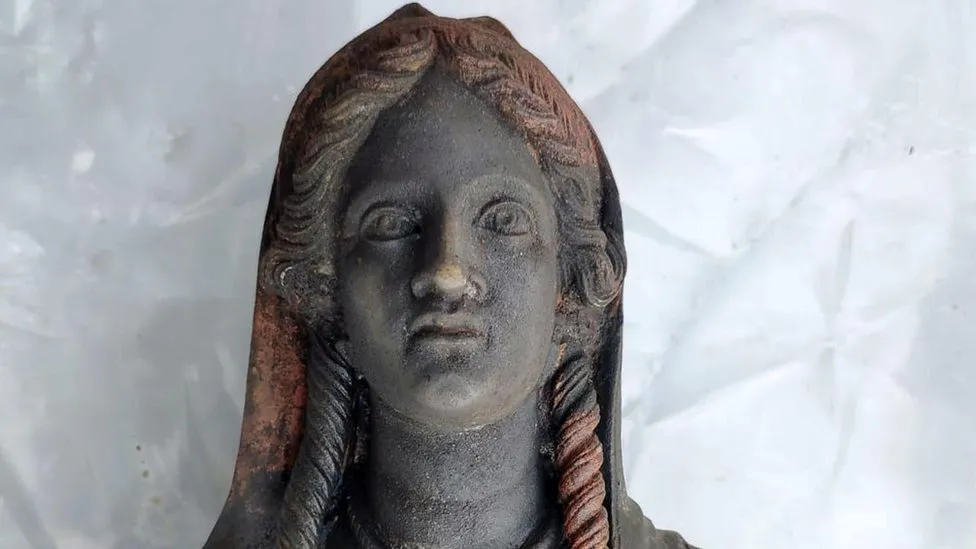
Two stories on an exceptional collection of 24 ancient bronze statues found immersed in a Tuscan spa.

Analysis of gold coins found in Transylvania in 1713 suggest that the “fake” Roman Emperor Sponsian was actually real.

Now here’s our favourite medieval historian on the maintenance of monarchical succession. [LONG READ]

Meanwhile the Mediaeval Mythbusting blog looks at sex, stonemasons and the sacred. [LONG READ]

Just slightly more up to date, History Today takes a look at Tudor beds.


London

It seems the defunct Whitechapel Bell Foundry is up for sale as the American developers cannot fulfil their development plans. The London Bell Foundry are trying to acquire the site and restore it as a bell foundry.


Lifestyle, Personal Development, Beliefs

At times we all hesitate to be kind when opportunity knocks, but psychologist Claudia Hammond maintains we should all be much less hesitant. [LONG READ]

Still on the psychological, British Naturism looks at the role of nudity in improving mental health.

And finally … Two looks at the work of Architect Peter Barber who is designing some extraordinary housing developments which get right way from the “bloody boring brown Lego architecture” (to quote an acquaintance) and high-rise.

Edgewood Mews, Finchley


November Quiz Answers

OK, so here are the answers to this month’s quiz questions. All should be able to be easily verified online.

November Quiz Questions: Medical

  1. What is the name of the light sensitive panel of cells at the back of the eye? Retina
  2. By what name is Hansen’s Disease more commonly known? Leprosy
  3. In humans, the atlas and axis bones are found in which part of the body? The neck
  4. The hormone prolactin stimulates the production of what after childbirth? Milk
  5. Which blood type is considered the universal donor? O negative

Answers were correct when questions were compiled in late 2021.

November Quiz Questions

This year we’re beginning each month with five pub quiz style questions, with a different subject each month. They’re not difficult, but it is unlikely everyone will know all the answers, so hopefully you’ll learn something new, as well as have a bit of fun.

November Quiz Questions: Medical

  1. What is the name of the light sensitive panel of cells at the back of the eye?
  2. By what name is Hansen’s Disease more commonly known?
  3. In humans, the atlas and axis bones are found in which part of the body?
  4. The hormone prolactin stimulates the production of what after childbirth?
  5. Which blood type is considered the universal donor?

Answers will be posted in 3 weeks time.

Monthly Links

Here’s this month’s collection of links to items you may have missed – with minimal reference to last week’s state funeral.


Science, Technology, Natural World

It’s that time of year when we celebrate the Ig Nobel Prizes. [LONG READ]

In yet another round of modelling calculations, based on detailed measurements, scientists are suggesting that Saturn’s tilt and its ring system may be down to a missing moon.

Palaeontologists have studied growth lines and elements preserved in fossil teeth of Pantolambda bathmodon (a sheep-sized mammal and one of the first to expand into large-animal niches left vacant by the extinction of the dinosaurs) to reconstruct its day-to-day life.

Image: Smithsonian

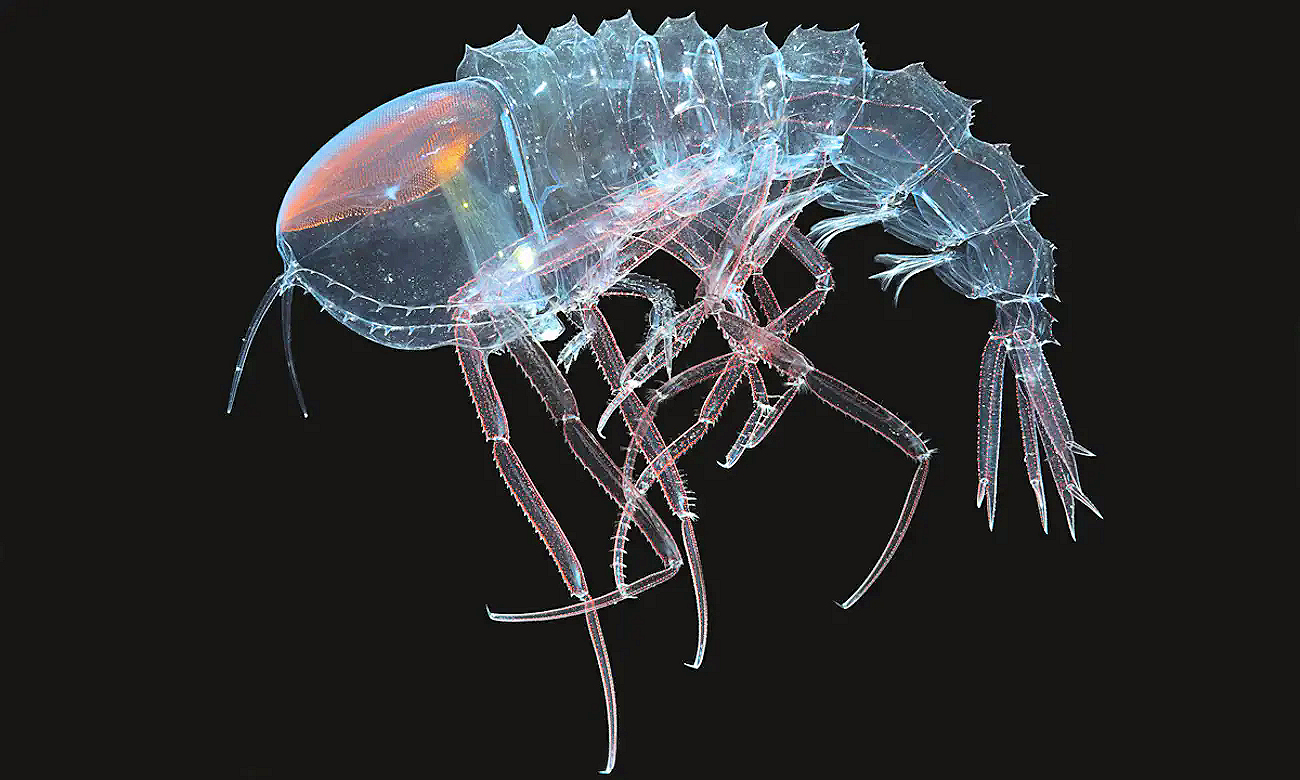
There really are some strange creatures in the ocean depths; here’s one with eyes for a head.

Returning from the depths, Japanese scientists have found that tweezers modelled on a crow’s beak outperform our traditional design. [£££]

It might surprise you to know that bees and ants are both descended from primordial waasps. While we like bees, we mostly dislike ants and wasps. But ants are interesting, and incredibly useful in their own right.


Health, Medicine

Good grief! Archaeologists in Borneo have discovered the remains of a youngster who had a successful foot amputation 31,000 years ago!

I think we’ve been told about this before, but there is a Scottish woman who can smell if people have Parkinson’s disease years before they have symptoms – and she’s helping scientists develop a test.

Good news for some of us! A study has found that drinking tea may be linked to a lower risk of early death.


Sexuality

Scientists in Japan appear to have shown that significant female emission at orgasm is release fluid from the bladder. I cannot get my head round who would do this experiment, and who would willingly consent to being one of the guinea pigs. [£££]


Environment

A camera trap in south west London appears to have captured images of a wild pine marten; the first spotted in London for over 100 years. And it’s a damn good walk from the nearest known population.


Social Sciences, Business, Law

We’ll have just these two items on the Queen’s funeral, both about The Queue. They’re from Prof. Steve Reicher, a specialist in crowd behaviour from St Andrew’s University.
First: Don’t be fooled that everyone queueing in London is mourning the Queen.
Second: How the wait to see the Queen’s coffin transformed people.
Expect a lot more sociology on this in months and years to come.


Art, Literature, Language, Music

Actually, I sort of fibbed to you! Here’s another item related to the late Queen. Five photographers recall what it was like photographing Her Majesty.


History, Archaeology, Anthropology

A fairly thin history section this month with just two items on the medieval.

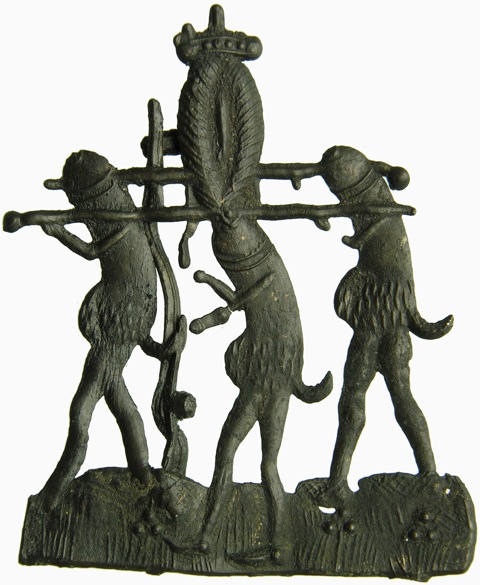
Medieval pilgrim badges were not always entirely wholesome: it seems the pilgrims often used bawdy badges as talismen to protect against plague an the like.

DNA analysis suggests that a significant find of Jewish remains in Norwich are the victims of a medieval pogrom.


London

Here’s one about my childhood stamping grounds. Bell Common, Upshire, Essex which is the alleged site of Boadicea’s last stand – except it isn’t; that obelisk is a conceit.

London blogger Diamond Geezer has been trying to set foot in every one of the 1463 1km grid squares within Greater London. And he’s down to the last few.
First he visits square TQ1575 and the Mogden Sewage Works in Hounslow.
Then he reported that he was down to two unvisited squares – no, make that one, and that last one was unvisitable as it’s in the middle of airside at Heathrow.
Oh but wait! Apparently it isn’t entirely airside, and you can legally set foot in that last square. Result: every one of the 1463 squares visited!
It’s nerdy perhaps, but that has to be some achievement!

Exeter Road


Monthly Links

This month’s collection of links to items you didn’t know you’d missed, and probably didn’t want to.


Science, Technology, Natural World

The universe is stealing our time! The days are getting shorter as Earth spins faster.

In an incredible feat of computing, the AI system Deep Mind has worked out the structure 200 million proteins in all the species whose genome has been sequenced.

Who first thought up the concept of zero? It seems the origins are somewhat elusive, but it looks like it may be in Sumatra. [£££]

Apparently the US regulators are imminently to certify the first small nuclear reactors. Now if they’ll just use the molten salt reactors then it will solve the problem of further high risk waste.

In more watery news a rare coloured sea slug has been found in UK waters for the first time.

The other side of the world, an incredible new jellyfish has been found off the coast of Papua New Guinea

Back on dry land, a group of scientists is planning to resurrect the extinct Tasmanian Tiger (Thylacine). Hmmm … good luck with that one!

So how are large migratory moths able to fly in incredibly straight lines for miles? Scientists are trying to find out.


Health, Medicine

There are times when I struggle to believe what scientists and medics can achieve, and this is one of them … they’ve managed to change blood type of donor kidney – if this stands up then it will be a major breakthrough in transplant surgery.

There’s an outbreak of the previously unknown “tomato flu” in India. Except that it isn’t; it’s actually viral hand, foot & mouth disease which not uncommon amongst children across the globe. (Hand, foot & moth disease is NOT related to foot & mouth in cattle etc.)


Sexuality

Something else what always amazes me is the breadth of Benjamin Franklin’s interests. For instance, who know he extolled the benefits of banging MILFs?

One far-sighted mother (in Australia) got help to give her autistic sone some confidence – she booked him a session with a sex worker! Now tell me again why sex work shouldn’t be legal.


Environment

Hedges. Britain excels at them, with a greater length of hedge than roads. And farmers are coming to realise they provide vital habitat and corridors for wildlife. [LONG READ]


Art, Literature, Language, Music

A short item from History Today on the way our expletives change over the centuries. [£££]


History, Archaeology, Anthropology

Researchers have been retrieving DNA from ancient teeth and estimated that the “cold sore” herpes virus (HSV-1) is a recent evolution.

It is being suggested that the reason many medieval monks has a high parasite load was because they were using their own excrement as fertiliser.

The first of our two articles this month from Going Medieval‘s, looks at sexual assault in the medieval world. [LONG READ]

And our second of Going Medieval‘s articles is all about rocking chicks what brew beer. [LONG READ]

Only 350 years after it sank in the Bahamas, the wreck of the cargo of treasure aboaud the Nuestra Señora de las Maravillas is being discovered and recovered.

Bills of Mortality, basically early equivalents of death certificates, often in church registers, are an invaluable resource. A London Inheritance blog takes a look at what they can tell is abut early modern life in London. [LONG READ]

Guédelon Castle

They said it is impossible to rebuild Notre Dame, using medieval carpentry and building skills … but France’s medieval carpenters are doing it!


London

A potted history of the London Taxicab.

A review of a book on origins of the more curious and interesting of London’s pub names.


Food, Drink

It seems there are some (natural) products which are able to interfere with your body’s ability to use the nutrients you consume – known as antinutrients.