Category Archives: environment

Monthly Links

Here we go then with this month’s selection of links to items which interested me, and which you may have missed.


Science, Technology, Natural World

Let’s start with 16, possibly unexpected, facts about sweat.

Turmeric is supposedly one of those “cure-alls” but despite some interesting chemistry it looks like its claims are overstated.

Still on turmeric, here’s a report on how researchers uncovered a scam of improving the colour of turmeric with lead. [LONG READ]

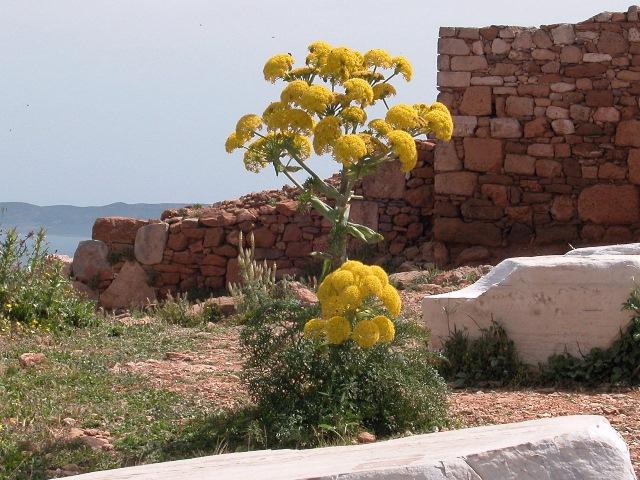
And while we’re on things yellow, a researcher thinks they’ve found a long-thought lost Ancient Greek and Roman medicinal plant.

And then there are wasps – in his case the common “yellow-jacket” Vespula vulgaris – where researchers using data from the Big Wasp Survey have found that the UK population is essentially genetically homogeneous. [Full disclosure: I’ve been part of Big Wasp Survey since its inception.]

Researchers are claiming that worms frozen in permafrost for 46,000 years are still alive and the oldest known living animals.

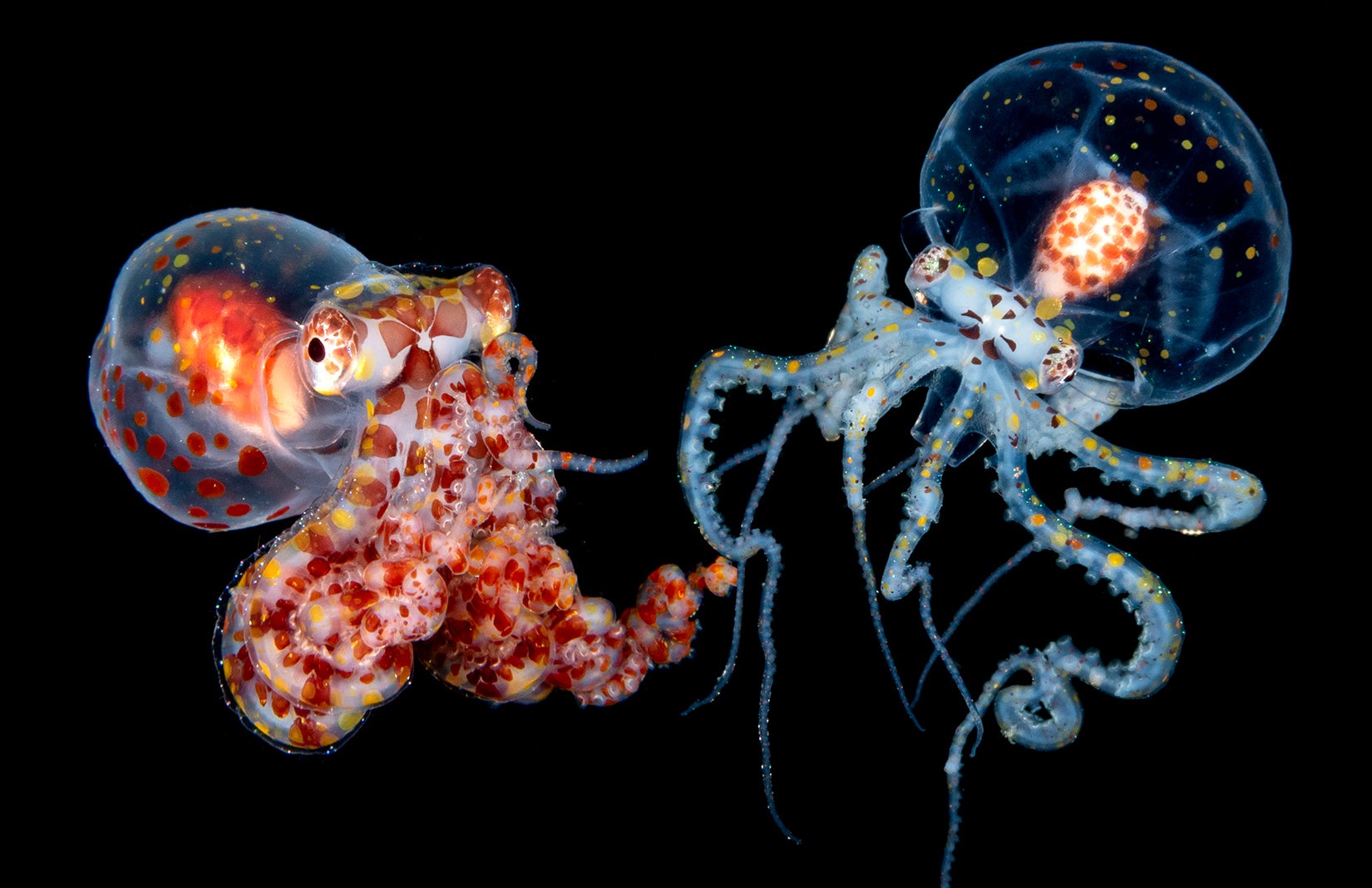
Continuing with the bizarre, in the deep Atlantic Ocean there lives a creature with 20 arms.

And so to the even more esoteric … Scientists continue to puzzle over whether nothingness exists.

On average your friends are on average more popular than you – on the paradox which links epidemiology and sociology.


Health, Medicine

Various scientists are making the observation that we aren’t prepared for the next pandemic (whatever that is) – here’s one. [LONG READ]

Covid cases have seen a small spike this summer; here’s why, and some thoughts going forward.

Here’s a look at six slightly surprising effects of common medicines. [££££]

In this one young researcher looks at the challenges she faced with OCD.

On the stigmatisation of menstruation through history to the current times.


Sexuality

There are different things helping towards great sex at various stages of life. [LONG READ]


Environment

Forget rich soil, try gardening with hardcore. [LONG READ]

More on wasps! There have been a number of sightings this year of Asian Hornets (aka. Yellow-Legged Hornet, Vespa velutina [image above], which is slightly smaller than a European Hornet, Vespa crabo [image below]) in the UK, most notably a cluster in Kent. While these are alien predators (often taking large numbers of honeybees) they are not the so-called “Murder Hornets” (aka Asian Giant Hornet, Vespa mandarinia, which are larger) which have invaded the American west coast. [As usual the article doesn’t really live up to the goriness of the headline.]
And there’s an even more recent report from the London area.


Art, Literature, Language, Music

Researchers at the Royal Museums of Fine Arts of Belgium have used infrared light to reveal a hidden portrait beneath a 1943 painting by René Magritte.

One scientist offers some tips for good scientific writing – and they aren’t what we’ve often been taught.


History, Archaeology, Anthropology

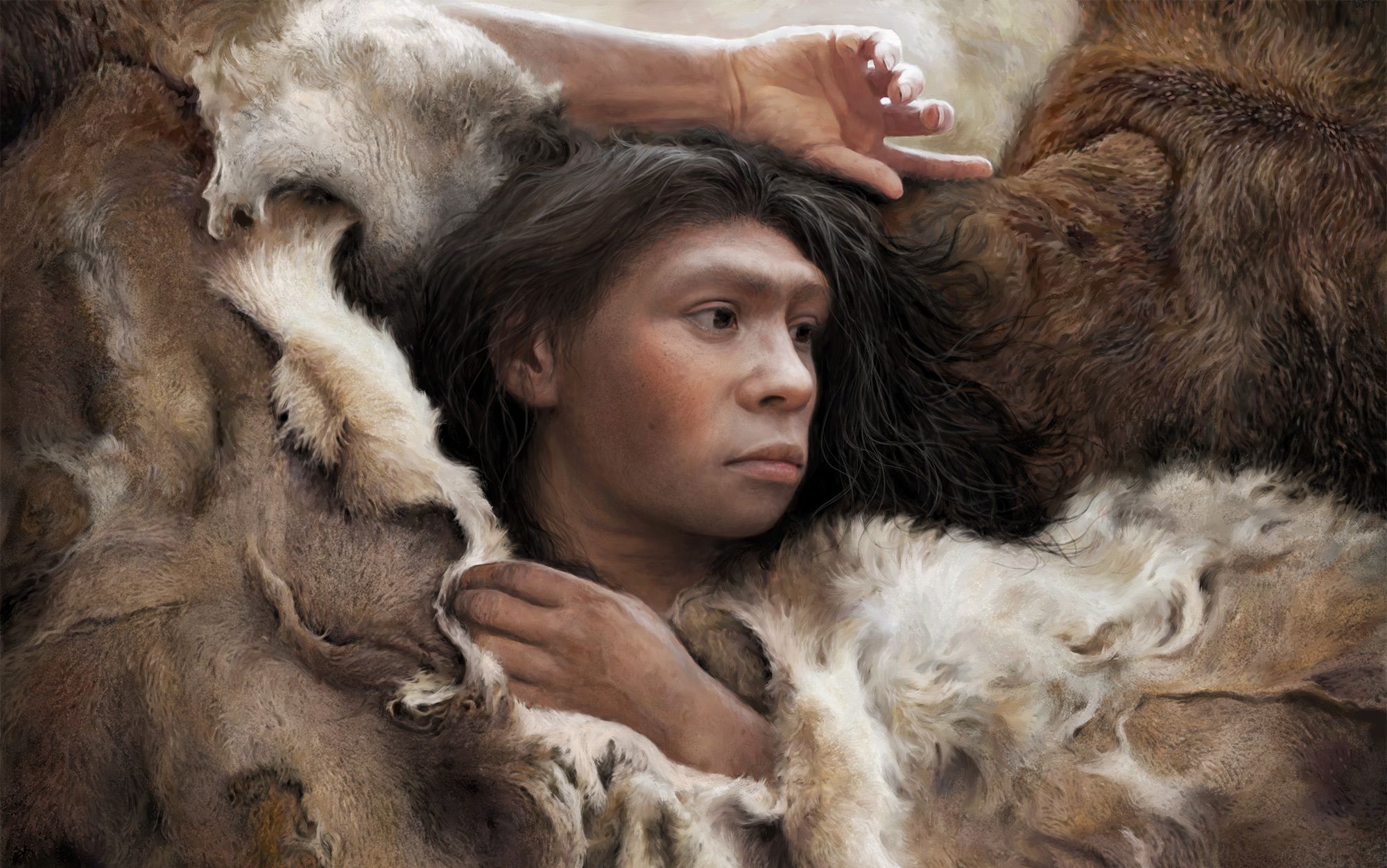
As always let’s start old and get younger, with an overview of our extinct human relatives the Neanderthals.

They’re still researching Ötzi the Iceman, and have now determined that he was balding and had dark skin.

Who was the first literary hero? There’s a suggestion that it is actually the ancient goddess Inanna.

The remains of an Iron Age female warrior have been discovered on the Isles of Scilly.

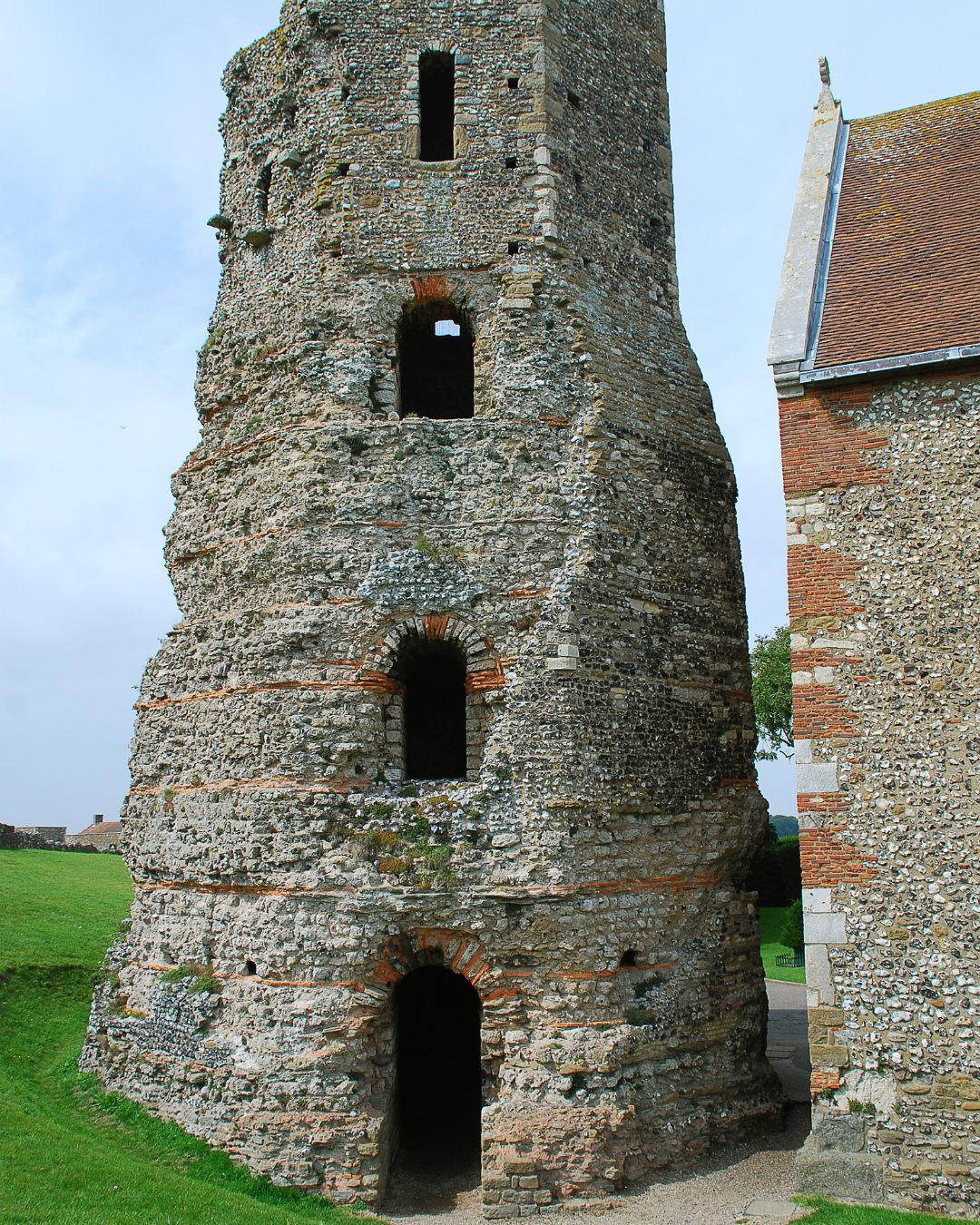
Just take a look at the magnificence of the Roman Lighthouse at Dover – the oldest in England.

Staying with the Romans, some marble fragments are giving an insight into Emperor Hadrian’s diary.

Further east in the Roman Empire archaeologists have uncovered a Roman amphitheatre with blood red walls.

A medieval historian appears to have recognised a new source about the Norman Conquest of England, and it was hiding in plain sight.

Laying to rest the myth that the medieval Kerrs were left-handed and that spiral staircases were always built to advantage the defender.


People

In an interview for the Big Issue, Professor Alice Roberts says she got side-tracked into academia.

Why do we always think that terminally single (and childless) women are unfulfilled, because they’re often happier?


Shock, Horror, Humour, Wow!

And finally two amusements. First one young lady pots up her Lego succulents.

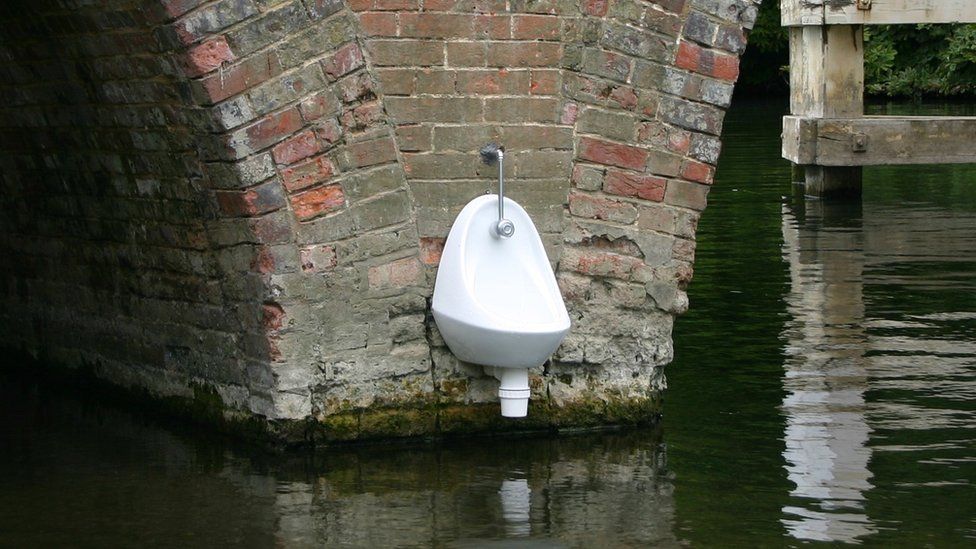
And finally, finally someone has installed a urinal on the side of Sonning Bridge over the River Thames.


Fox in the Grass

So there we were, about 19:15 this evening, eating out chicken and chips.

I spotted a dark russet-y shape appear way down the garden and disappear behind the philadelphus bush.

“Good evening, Reynard.”

A few minutes later it strolled across the lawn, to the upper lawn were we put out food. Sadly the plate there was empty – so we’ll just mark it with a dose of pee.

It wandered back down the path, stopping for a while to sit and look, and have a good scratch. I thought it had then disappeared beyond the philadelphus again.

At this point the white front of Boy Cat appeared on the path down by the pond. And waited.

He crept a couple of feet closer. And waited.

Is fox still trotting around down by the pond? It’s too shady to see, especially from the dining room.

Boy Cat creeps forward another couple of feet. And waits. Looking nervously to his left. Who’s he watching. Presumably another of the neighbourhood intruder cats.

He creeps forward again. And again. Still watching his left flank. And again.

Finally having made it some way past the silver birch he breaks into a slow trot. And he’s now clearly past the danger and on a home run.

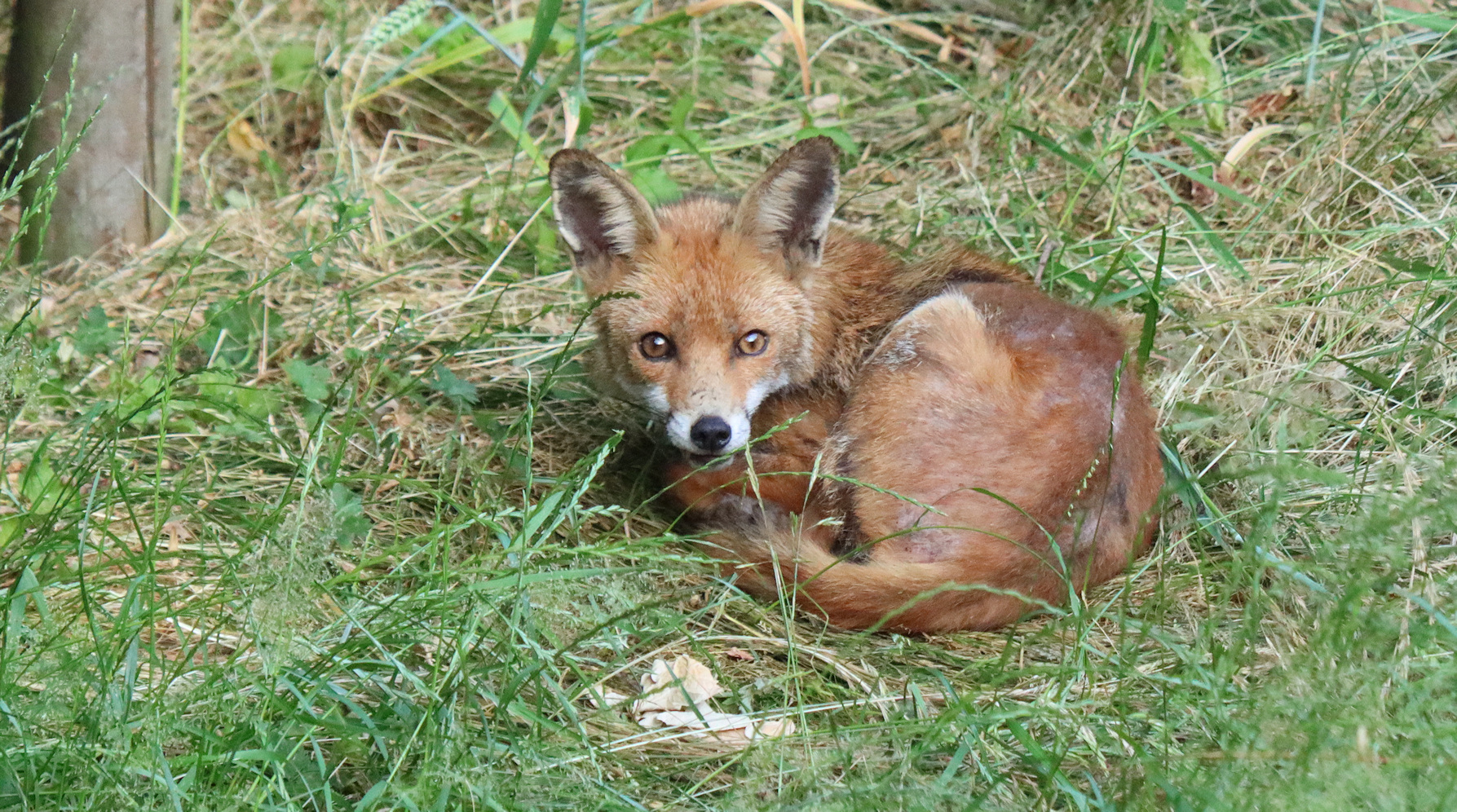
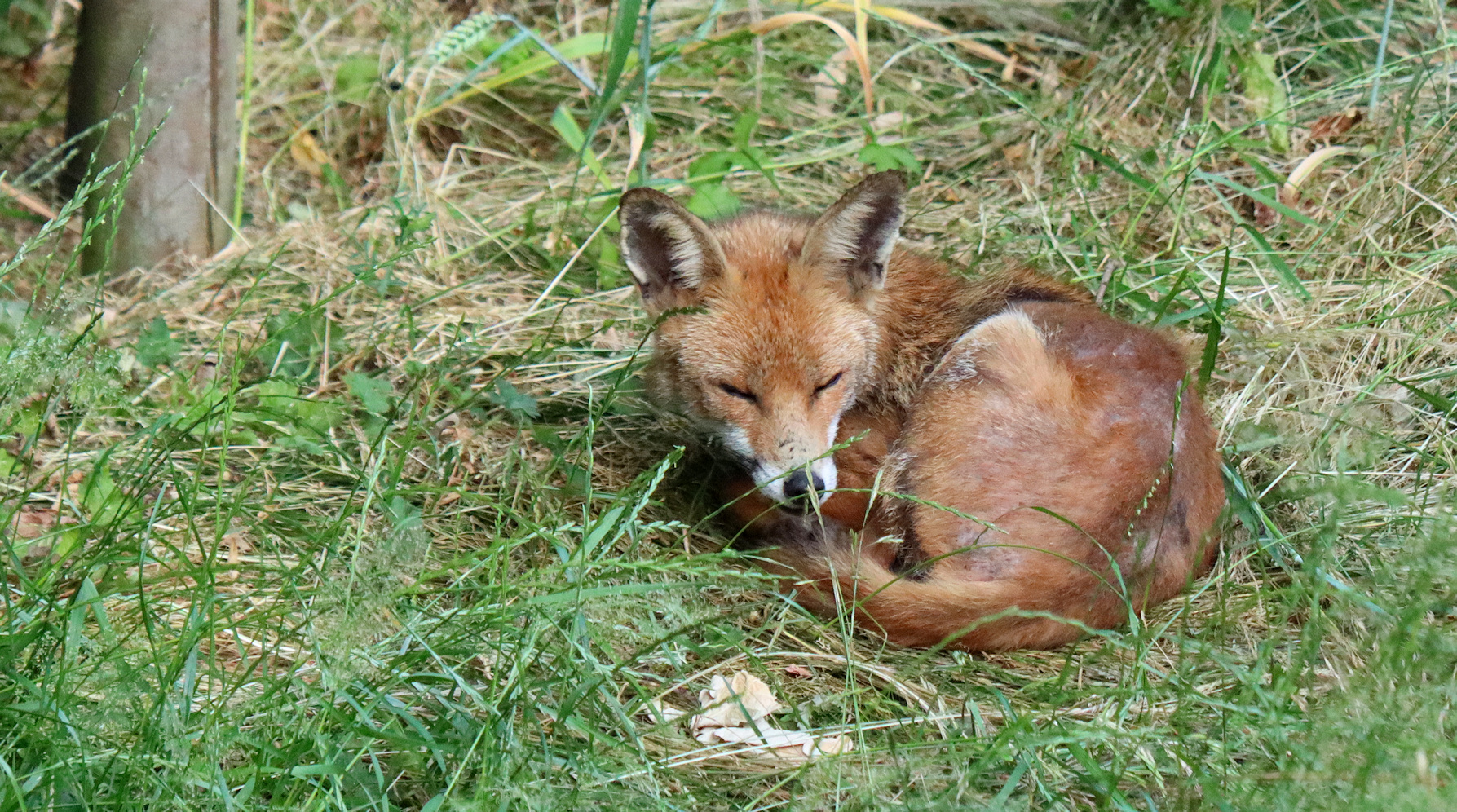
Some minutes later, when I come upstairs and look out of the study window, the scenario becomes clear. Fox has not gone away but is curled up in the long grass almost in front of where the old apple tree was. This was about 19:45.

Grab camera. Oh bugger that’s an awful place to try to get a decent shot. Big, long focus lens, on full zoom, and a wide open bathroom window provide a handful of reasonable shots.

fox in the grass

[Click the images for a larger view]

fox in the grass
Fox snuggled down for a doze. It’s now 20:50 (as I type) and fox has just woken up having had a good hour’s doze; had a mighty stretch; a scratch and is generally attending to regular maintenance. Another big stretch and a shake. Rinse and repeat.

And at 21:00, off we trot.

Unfortunately the animal looks a bit mangey, but there’s nothing one can really do.

I got a good shot of a fox on the trail camera yesterday, but this is a different individual.

Nice that fox feels comfortable here (although the cats wouldn’t be too pleased); and something which probably wouldn’t have happened if we hadn’t left the grass grow.

Monthly Links

And so to this month’s collection of links to items you dodn’t know you din’t want to miss! Let’s start, as usual, with the tough science stuff.


Science, Technology, Natural World

Some scientists have been thinking about how life would have started and self-assembled. [LONG READ]

alien life

Turning the tables round, will we actually know alien life when we encounter it? [LONG READ]

While we decide that, how likely is it that alien life is eavesdropping on our mobile phone calls? [££££]

Staying with the cosmological … Observers have detected the largest cosmic explosion ever seen.

Meanwhile the James Webb telescope has found asteroids in the Fomalhaut star system.

And it gets weirder, as astronomers think they’ve seen live-action of a star swallowing one of its planets.

Coming back a little nearer to sanity … hare’s a look at Alan Turing and the most important machine that’s never been built. [LONG READ]

After which, riddle me this … How do you find a new species of Demon Catshark? By reading it’s eggs, of course. [££££]

But then again, genetics turns up many surprises, including the mutation which turned ants into parasites in one generation. [LONG READ]

More strangeness on genetics … it turns out strawberries have eight sets of chromosomes, which have contributed to their domestication and survival. [££££]

Deeper and deeper into plants, photosynthesis actually requires four photons to complete the transfer of sunlight into chemical energy but the details of the final step are only now coming to light. [££££]

And so back into the (almost) real world. Clever palaeontologists have been able to recover the DNA of the wearer of a 25,000-year-old pendant.


Health, Medicine

How accurate are all those old-wives tales – you know like “chocolate causes acne” and “carrots help you see in the dark”?

So just what are puberty blockers and how do they work? Side issue: should we be using them? [££££]

Medics now seem to have decided that removing just the Fallopian Tubes will significantly reduce the number of women with ovarian cancer. [££££]

Meanwhile, deciding whether to have HRT treatment for the menopause is a difficult decision for many women. [LONG READ]


Sexuality

Here’s the usual, and regular suggestion of ten ways to improve your sex life.


Environment

All the rubbish buried along the Thames estuary is coming back to the surface to bite us. Why do we think we can treat the place like a trash can? [LONG READ]

Japanese knotweed

There’s one thing you do not want in your garden (or anywhere): Japanese Knotweed. [LONG READ]


Social Sciences, Business, Law, Politics

Historian and headmaster Sir Anthony Seldon has been writing book-length report cards on British prime ministers for 40 years. His latest is on Boris Johnson, and he’s not impressed.


Art, Literature, Language, Music

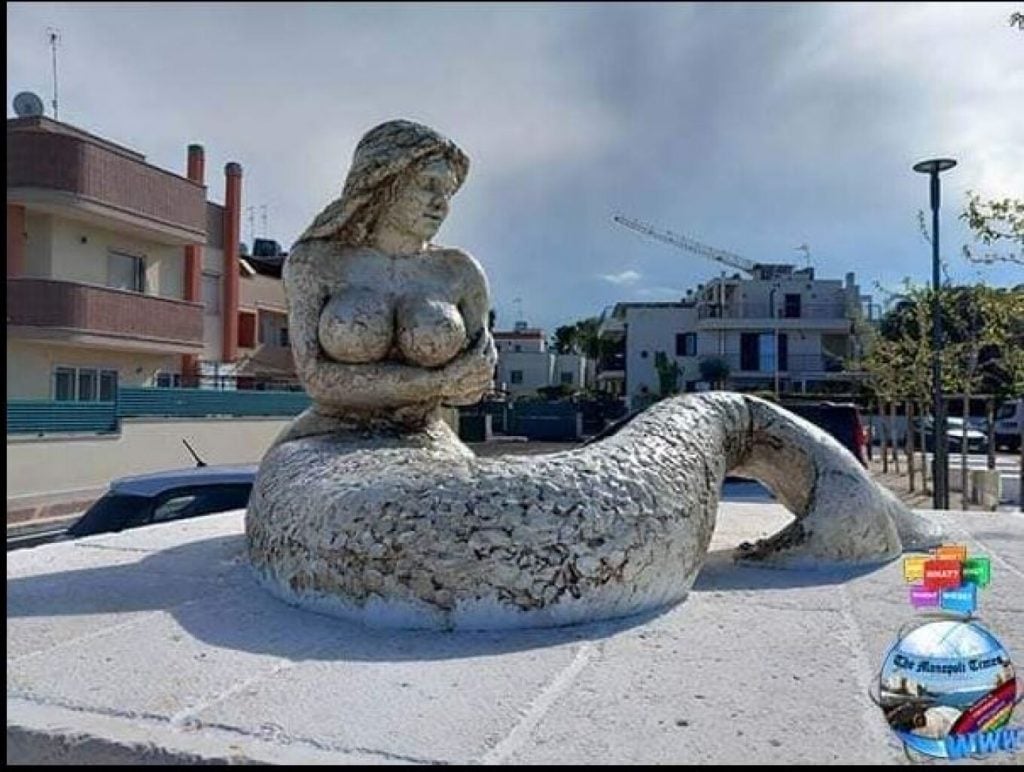
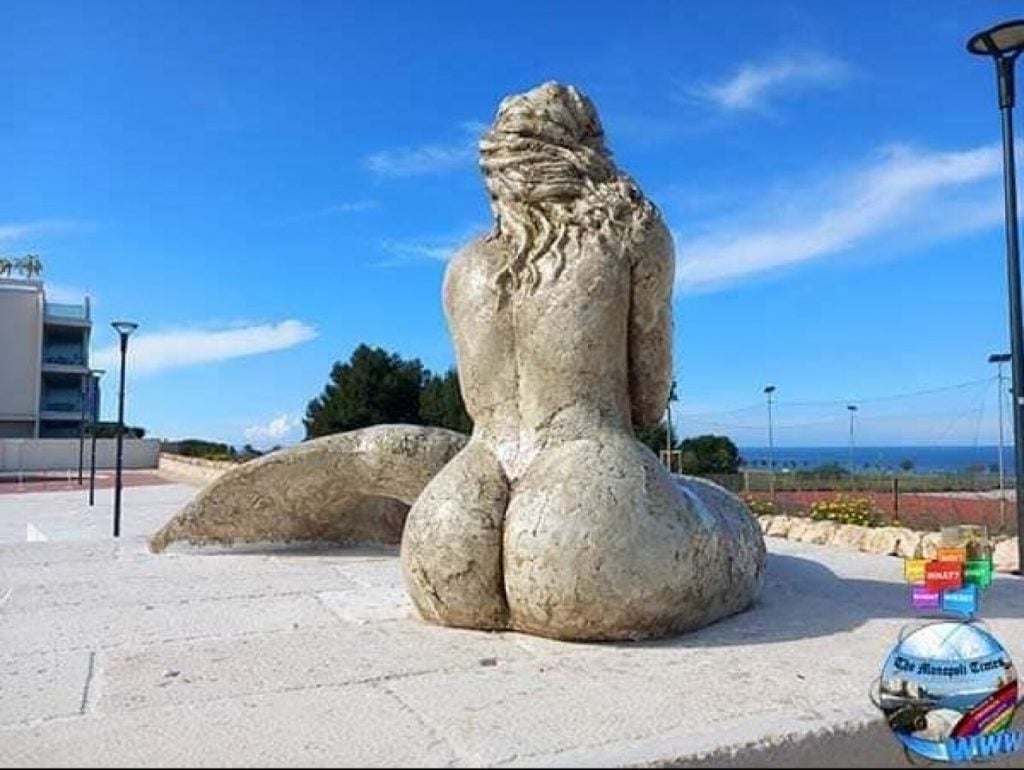
Oh dear. Some of the southern Italians are upset. They’ve decides that a mermaid statue is too provocative. Judge for yourself …

mermaid statue, front

mermaid statue, rear

London’s Courtauld Gallery has released almost a million rarely seen photographs from their collections online anf free.


History, Archaeology, Anthropology

The Mediterranean keeps producing ancient shipwrecks. Now one off Sicily has been found to contain ingots of a rare alloy called orichalcum.

A look at the Port of London in Roman times.

A large Roman temple in France could have been used for the worship of many gods.

So what was the Medieval attitude to cats?


Food, Drink

Emma Beddington asks why we’re unable to give up salt – but doesn’t come up with a good answer.


Lifestyle, Personal Development, Beliefs

This is Local London website runs a series of thoughtful articles by senior school pupils on various topics. One recent such looks at attitudes to gender identity.

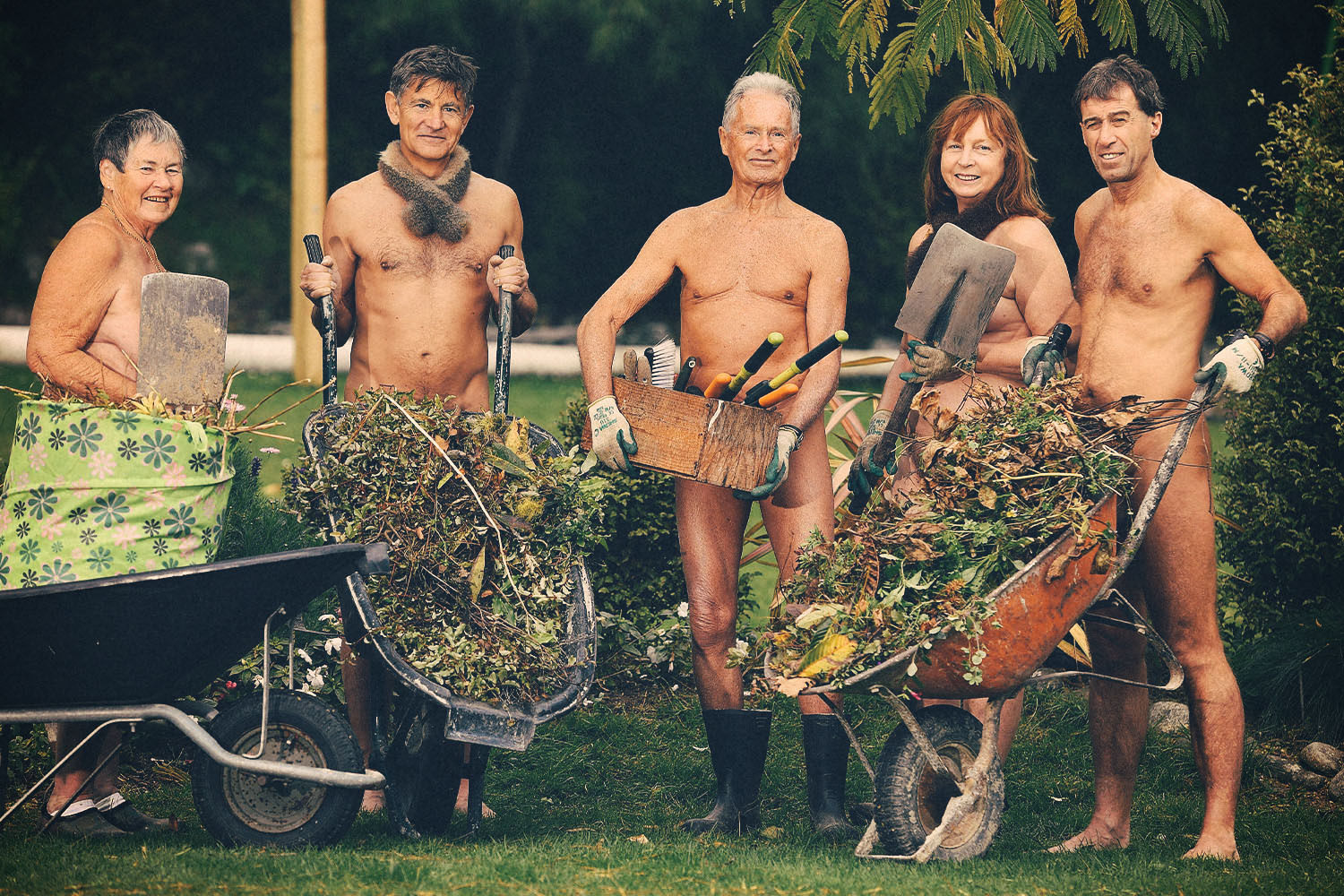
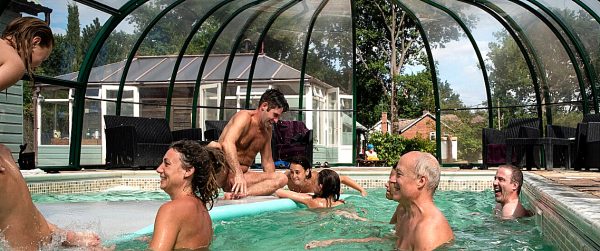
Here are yet another ten reasons to embrace everyday nudity.

normal nudity

normal nudity


Shock, Horror, Humour, Wow!

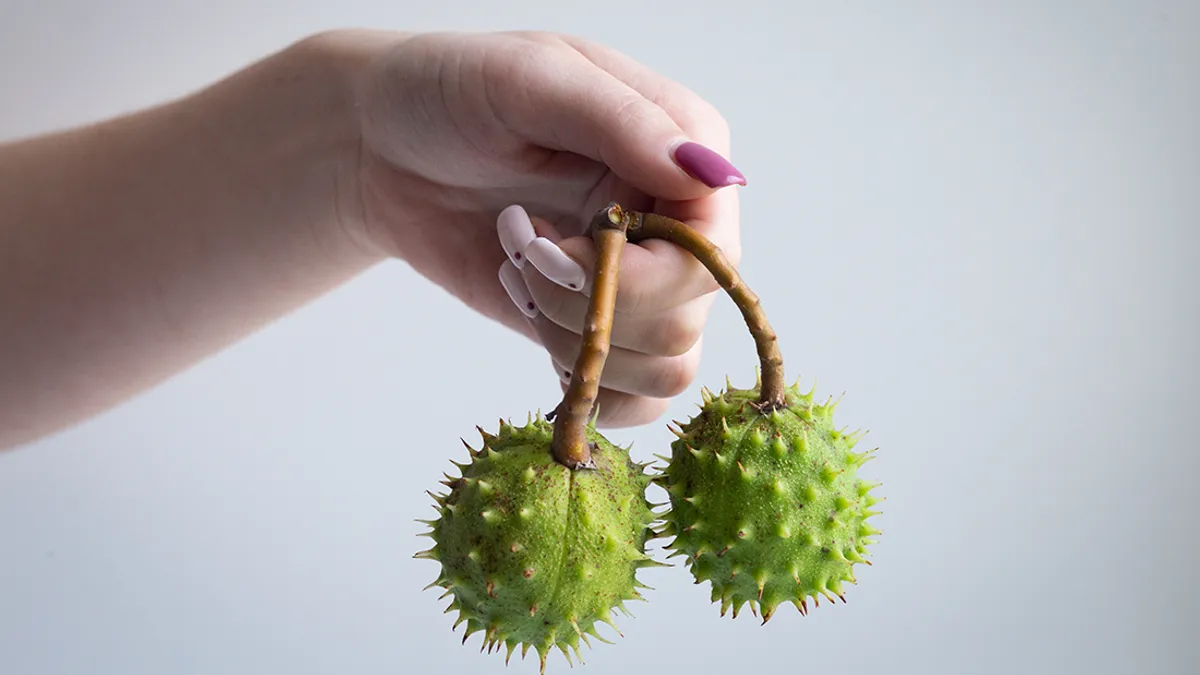
A study – surely a contender for an Ig Nobel Prize – has discovered that it is “barely possible to identify a beautiful scrotum“. [££££]

conker balls


Monthly Links

Welcome to this the first of our 2023 round-ups of links to items you my have missed the first time. There’s plenty here, with a lot of long reads, so let’s get going!


Science, Technology, Natural World

Last year London’s Natural History Museum officially named 351 new species, and surprisingly a quarter of them are wasps.

Still at London’s NHM, Anna Turns in the Guardian visits their secret vault of whale skeletons.

Somewhat differently, palaeontologists have been working out the details of sex with Neanderthals. [LONG READ]
And here’s an interview with Nobel laureate Svante Pääbo on understanding Neanderthals.

Turns out there are human only genes which increase brain size. We need to be very careful with them.

On the improvement of synthetic routes to recreational drugs.

It’s the hidden properties of many rare earth elements which have enabled our modern technology. [LONG READ]

Roman concrete was much different from our modern version, and its self-healing properties could benefit modern construction.

Meanwhile, a volcanic eruption in the wrong place could cause havoc for world trade, much worse than a ship stuck in the Suez Canal ever could. [LONG READ]
So what actually happens when a huge ship sinks? How are the worst effects of a disaster averted? [LONG READ]

From lost ships to lost nuclear weapons which no-one can find. [LONG READ]

Which brings us conveniently to a look at the discovery, properties and politics of uranium. [LONG READ]
There’s long been talk of an undiscovered Planet Nine in our solar system, but if it is there why hasn’t it been seen? [LONG READ]
And finally in this section, one for those who like their brain strained … quantum reality is impossible to measure, so how can we possibly understand it? [£££]


Health, Medicine

All is not always what it seems … it appears there is a mystery virus which confers protection against monkeypox. [LONG READ]
In complete contrast, here’s a brief history of the clitoris.


Environment

Fewer and fewer migrant birds are visiting our shores as the climate crisis takes its toll.


Art, Literature, Language, Music

On the peculiarity of American copyright law.

Against which here are five lesbian expressions from the 19th century to remember when watching Gentleman Jack.


History, Archaeology, Anthropology

What do we know about the lives of Neanderthal women? [LONG READ]

Egyptian researchers have used high-tech digital scanning to to look at a 2300 year old mummified boy.

Archaeologists reckon to have found the world’s oldest runestone in Norway.

It seems there was a medieval habit of dividing the night into “two sleeps“. [LONG READ]

A medieval pendant unearthed in Germany has had its secrets unveiled by neutron imaging.

Here’s our favourite medievalist on the gossiping of the female. [LONG READ]

And again we have said medievalist, this time on medieval standards of beauty. [LONG READ]

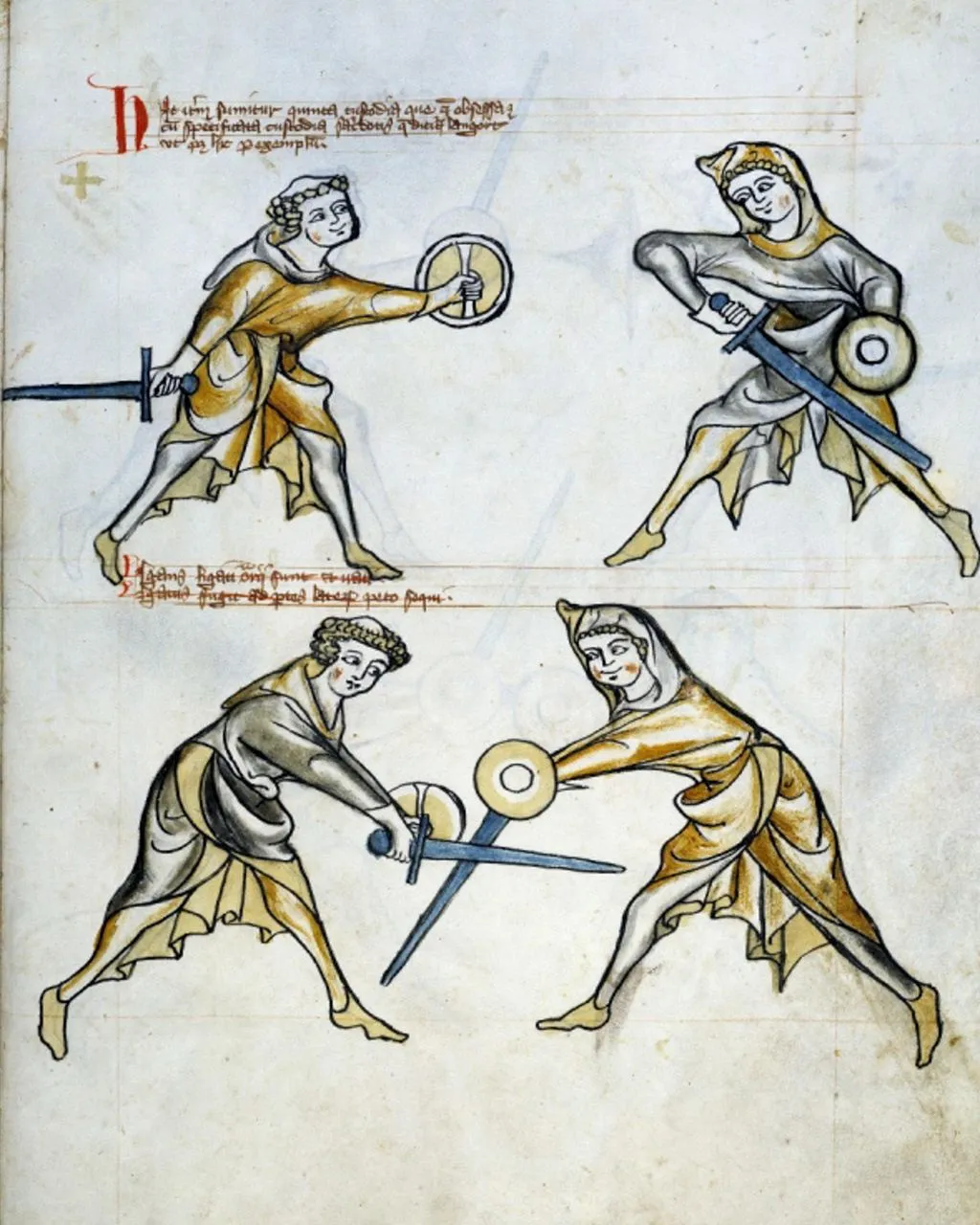
There were many medieval manuals which taught sword-fighting, but modern experts are unable to decode all the tricks. [LONG READ]

Twenty years ago the remains of a medieval trading ship were discovered in Newport, South Wales. The remains have now been preserved and its custodians now have a huge 2500 piece jigsaw.

Here’s a look at the dilemmas in dating old buildings. [LONG READ]

The blog A London Inheritance goes back 300 years and looks at the London events of 1723. [LONG READ]

Coming almost up to date, the Dutch have released a WWII map purporting to show where a hoard of Nazi treasure is hidden.


Lifestyle, Personal Development, Beliefs

Tom Lamont in the Guardian takes a look at some of the UK’s more ribald placenames.

According to the 2021 census, the fastest growing religion in England & Wales is shamanism. But what is it?

The idea of “love languages” – or how we feel nourished by our partners – has been around for 30 years and does seems to help people.

So this is what the experts suggest about how to be the best possible parent, lover, friend, citizen or tourist.

A look at why the right to protest and dissent is so important.


People

Christina Bowen Bravery on becoming a world champion stone skimmer.


Shock, Horror, Humour, Wow!

One young art student discovers that her pubic hair is a capitalist.

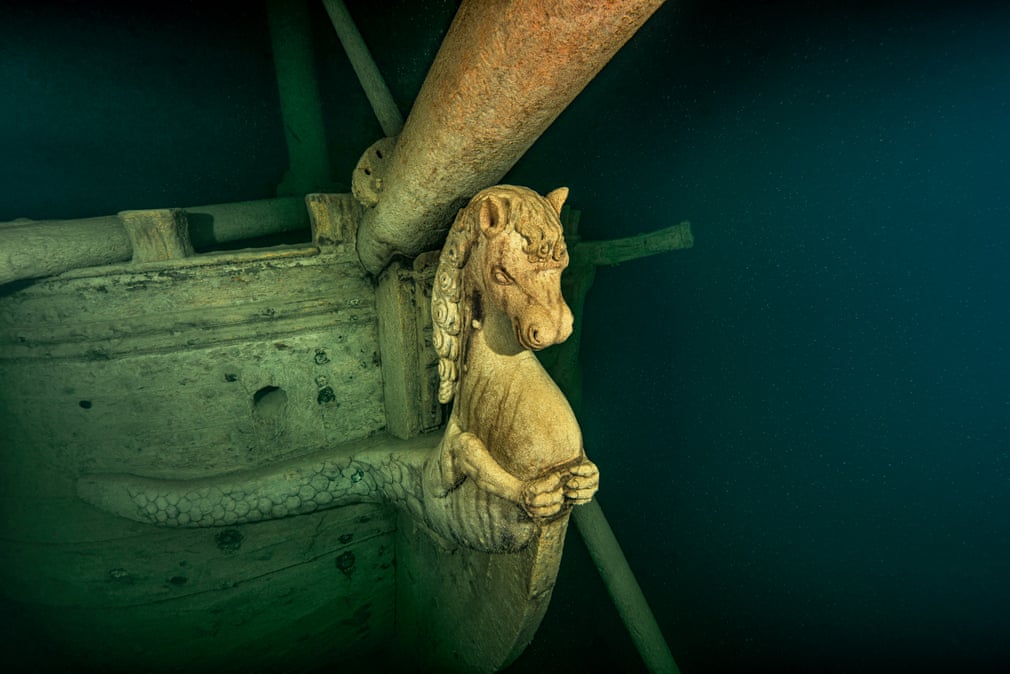
And finally, some incredible images of the eerie shipwrecks in the Baltic Sea.


Mars & the Moon

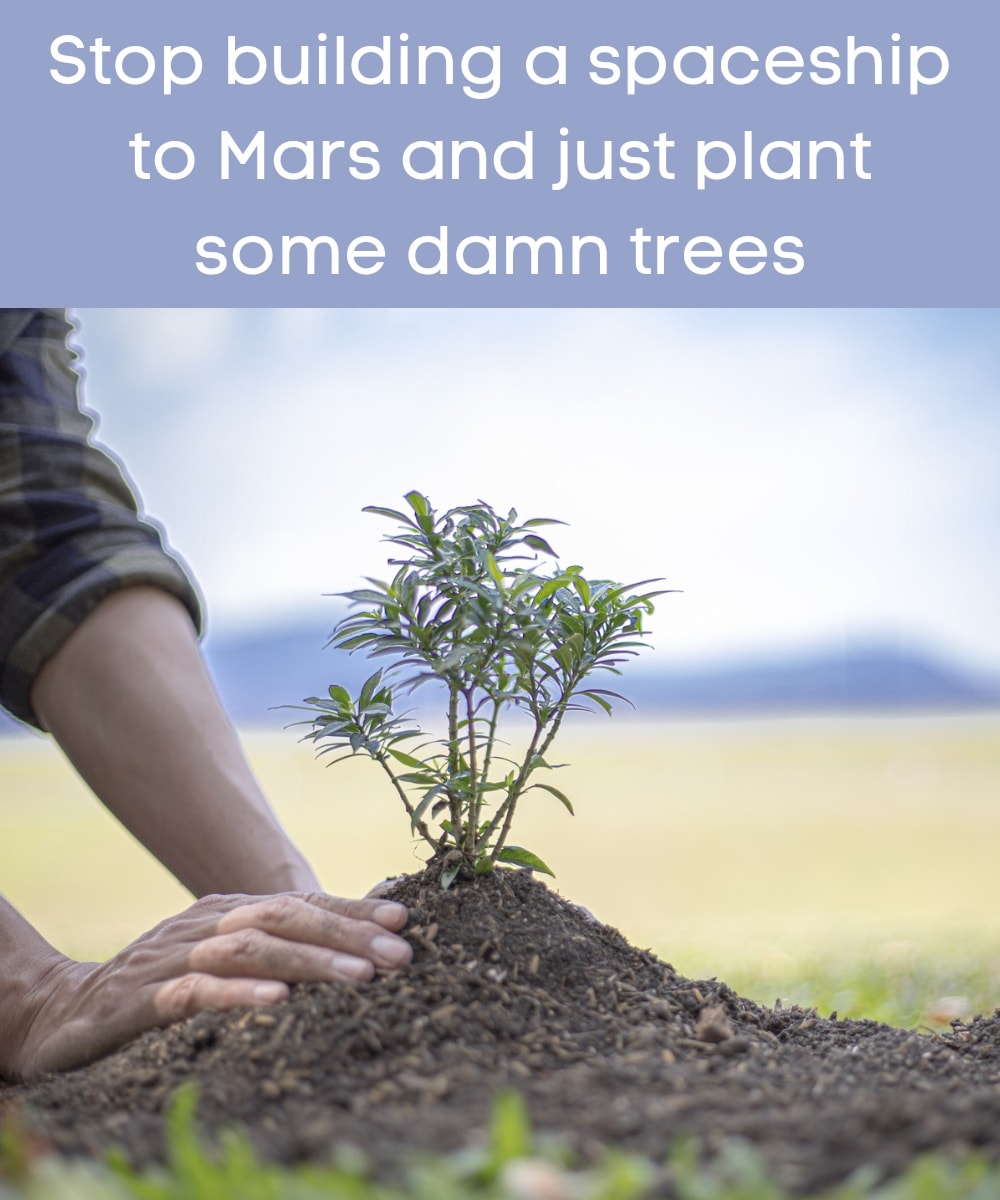
Stop building a spaceship to Mars
(and the Moon too)
and just plant some damn trees.

Stop building a spaceship to Mars and just plants some damn trees
Isn’t it more important that we protect this planet against global worming etc.?
Just think how much good all that money could do, and how much
environmental refurbishment could be done by just 10% of the money.

Monthly Links

Well then, guys & gals, it’s time for our monthly round up of links to items I thought interesting, and you might too. And having missed last month’s collection we have a lot to catch up on!


Science, Technology, Natural World

The latest research suggests that we Brits are not descended from a single group. Apparently the UK had at least two genetically distinct human groups at end of last ice age.

whiskered cat

We, like all apes, have lost our whiskers, but for those animals that still have them they are incredibly important. Here are five things you didn’t know. [VIDEO]

Palaeontologists have been looking at some ancient fish fossils and found they highlight the strangeness of our vertebrate ancestors.

Still with things watery, scientists have discovered living specimens of a clam thought to have gone extinct 40,000 years ago.

Also in the oceans, the denizens of the deep near the Cocos Islands have a array of glassy fangs and glowing fins.

Back on dry land, entomologists are also finding things they thought they’d lost. This time they’ve been searching in Indonesia for surviving colonies of Wallace’s Giant Bee, Megachile pluto. Two stories, first from the Guardian, second from the Smithsonian.

Here’s another oddity … A UK cat charity is looking to find a home for a kitten which is neither male nor female (and no, not intersex either!).

Do we all experience colour in the same way? It’s an intriguing question. Initially you’d say “yes”, but on reflection that would probably change to “no”. So where is the truth?
And here’s another take on colour perception. [LONG READ]

Finally, away from biology … On Saturday 19 November 2022 – yes, that recently! – a tiny asteroid fell from the sky over Ontario, Canada. What’s so special, is that it was spotted just 3½ hours from touchdown, but in that time NASA were able to compute it’s exact impact location.


Health, Medicine

Bird flu (H5N1) is already a huge problem for the poultry industry across Europe with millions of birds being culled. But worryingly a small number of key mutations would make it more easily jump from birds to humans, and to spread between us. And we have no protection beyond lockdown.

Quietly, in their labs, scientists are still working on new Covid-19 vaccines, and they may urn out to work very differently. [LONG READ]

Another approach to controlling Covid-19, and indeed many other infectious diseases, is to use UV light – and scientists think they’ve found a UV wavelength which kills germs but is save for us. [LONG READ]

Now to an old disease … the Black Death of 14th Century is still affecting our health today.


Environment

Conserving the environment and economic progress are not mutually incompatible and dismissing environmentalists as “anti-growth” is wrong. [££££]


Art, Literature, Language, Music

Harry Mount (Editor of The Oldie) takes a look at the importance and joy of rude Latin graffiti.


History, Archaeology, Anthropology

Archaeologists working to reconstruct the ancient Mashki Gate in northern Iraq have unearthed beautiful rock carvings that are about 2,700 years old.

Here’s the latest article looking at the Antikythera Mechanism and what it is. [LONG READ]

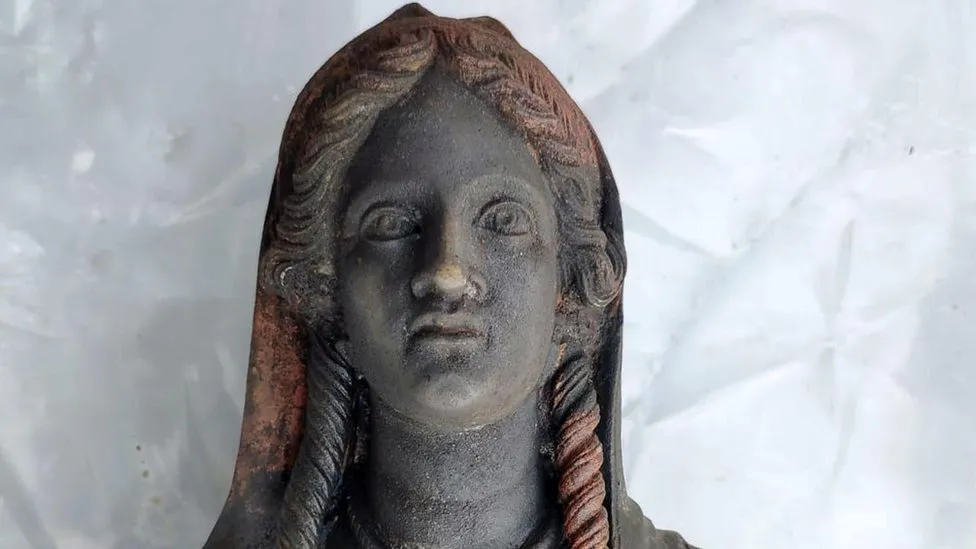
Two stories on an exceptional collection of 24 ancient bronze statues found immersed in a Tuscan spa.

Analysis of gold coins found in Transylvania in 1713 suggest that the “fake” Roman Emperor Sponsian was actually real.

Now here’s our favourite medieval historian on the maintenance of monarchical succession. [LONG READ]

Meanwhile the Mediaeval Mythbusting blog looks at sex, stonemasons and the sacred. [LONG READ]

Just slightly more up to date, History Today takes a look at Tudor beds.


London

It seems the defunct Whitechapel Bell Foundry is up for sale as the American developers cannot fulfil their development plans. The London Bell Foundry are trying to acquire the site and restore it as a bell foundry.


Lifestyle, Personal Development, Beliefs

At times we all hesitate to be kind when opportunity knocks, but psychologist Claudia Hammond maintains we should all be much less hesitant. [LONG READ]

Still on the psychological, British Naturism looks at the role of nudity in improving mental health.

And finally … Two looks at the work of Architect Peter Barber who is designing some extraordinary housing developments which get right way from the “bloody boring brown Lego architecture” (to quote an acquaintance) and high-rise.

Edgewood Mews, Finchley


Monthly Links

Here’s this month’s collection of links to items you may have missed – with minimal reference to last week’s state funeral.


Science, Technology, Natural World

It’s that time of year when we celebrate the Ig Nobel Prizes. [LONG READ]

In yet another round of modelling calculations, based on detailed measurements, scientists are suggesting that Saturn’s tilt and its ring system may be down to a missing moon.

Palaeontologists have studied growth lines and elements preserved in fossil teeth of Pantolambda bathmodon (a sheep-sized mammal and one of the first to expand into large-animal niches left vacant by the extinction of the dinosaurs) to reconstruct its day-to-day life.

Image: Smithsonian

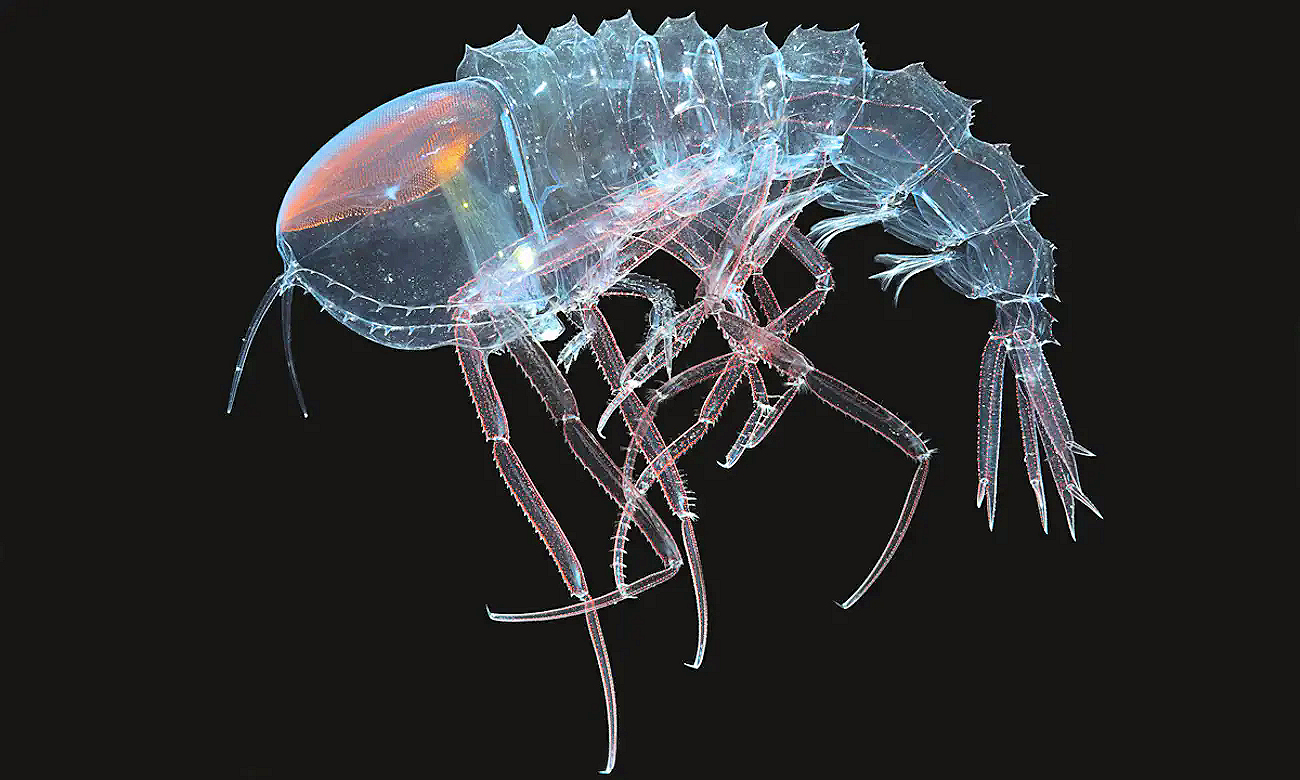
There really are some strange creatures in the ocean depths; here’s one with eyes for a head.

Returning from the depths, Japanese scientists have found that tweezers modelled on a crow’s beak outperform our traditional design. [£££]

It might surprise you to know that bees and ants are both descended from primordial waasps. While we like bees, we mostly dislike ants and wasps. But ants are interesting, and incredibly useful in their own right.


Health, Medicine

Good grief! Archaeologists in Borneo have discovered the remains of a youngster who had a successful foot amputation 31,000 years ago!

I think we’ve been told about this before, but there is a Scottish woman who can smell if people have Parkinson’s disease years before they have symptoms – and she’s helping scientists develop a test.

Good news for some of us! A study has found that drinking tea may be linked to a lower risk of early death.


Sexuality

Scientists in Japan appear to have shown that significant female emission at orgasm is release fluid from the bladder. I cannot get my head round who would do this experiment, and who would willingly consent to being one of the guinea pigs. [£££]


Environment

A camera trap in south west London appears to have captured images of a wild pine marten; the first spotted in London for over 100 years. And it’s a damn good walk from the nearest known population.


Social Sciences, Business, Law

We’ll have just these two items on the Queen’s funeral, both about The Queue. They’re from Prof. Steve Reicher, a specialist in crowd behaviour from St Andrew’s University.
First: Don’t be fooled that everyone queueing in London is mourning the Queen.
Second: How the wait to see the Queen’s coffin transformed people.
Expect a lot more sociology on this in months and years to come.


Art, Literature, Language, Music

Actually, I sort of fibbed to you! Here’s another item related to the late Queen. Five photographers recall what it was like photographing Her Majesty.


History, Archaeology, Anthropology

A fairly thin history section this month with just two items on the medieval.

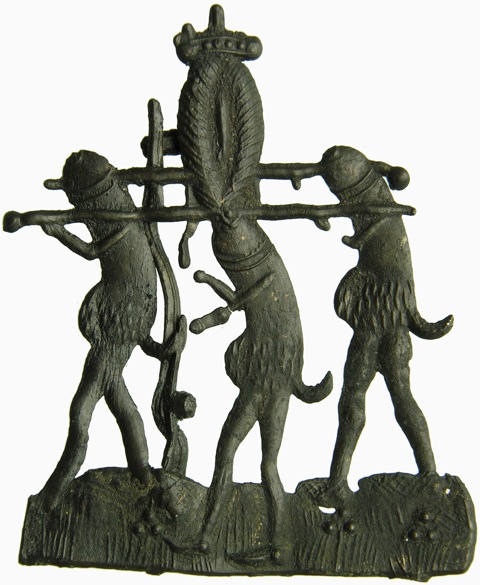
Medieval pilgrim badges were not always entirely wholesome: it seems the pilgrims often used bawdy badges as talismen to protect against plague an the like.

DNA analysis suggests that a significant find of Jewish remains in Norwich are the victims of a medieval pogrom.


London

Here’s one about my childhood stamping grounds. Bell Common, Upshire, Essex which is the alleged site of Boadicea’s last stand – except it isn’t; that obelisk is a conceit.

London blogger Diamond Geezer has been trying to set foot in every one of the 1463 1km grid squares within Greater London. And he’s down to the last few.
First he visits square TQ1575 and the Mogden Sewage Works in Hounslow.
Then he reported that he was down to two unvisited squares – no, make that one, and that last one was unvisitable as it’s in the middle of airside at Heathrow.
Oh but wait! Apparently it isn’t entirely airside, and you can legally set foot in that last square. Result: every one of the 1463 squares visited!
It’s nerdy perhaps, but that has to be some achievement!

Exeter Road


Street Trees

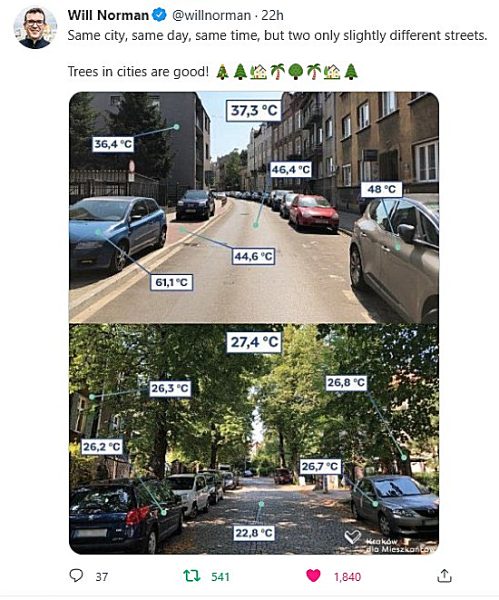
I spotted this on Twitter. It is a perfect illustration of one reason we need street trees, and more of them.

Other reasons include: biodiversity and ecological protection, surface water management, and mental health.

Monthly Links

This month’s collection of links to items you maybe didn’t want to miss.


Science, Technology, Natural World

Let’s start with one of the hard questions … What is Life? [LONG READ]

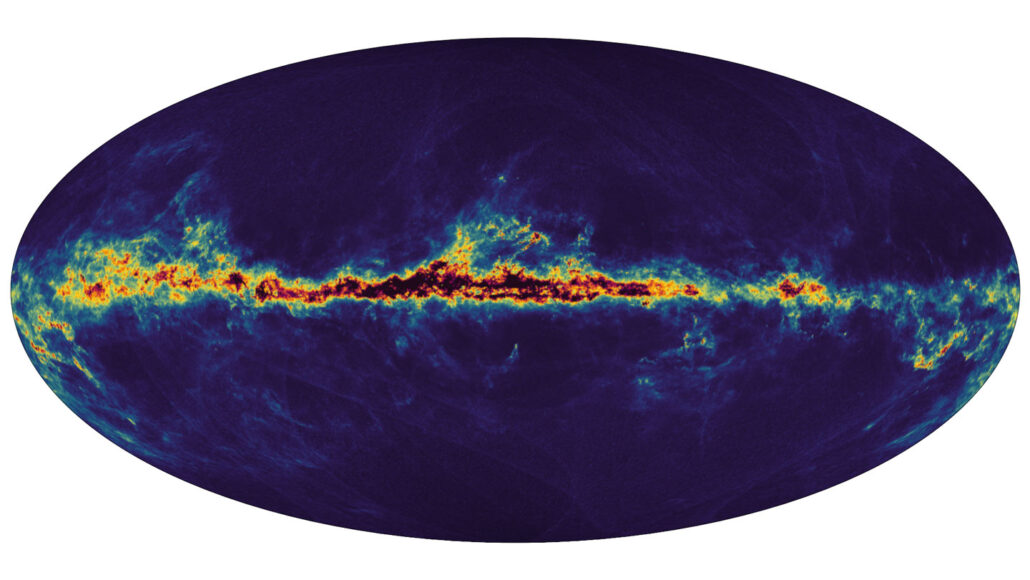
New observations from the Gaia telescope have provided the most detailed picture of the Milky Way to date (above).

At the other end of things, there is much we don’t yet know about the ocean depths and what lives there. [LONG READ]

This is amply demonstrated in ever detailed mapping of the depths of the Southern Ocean

… current investigations of, and hunts for, underwater volcanoes [LONG READ] …

… a flourishing hidden world of marine life discovered under the Antarctic ice

… and the mysterious sea creatures which surface at night but spend the day in the depths. [LONG READ] [££££]

Back on dry land researchers have proposed a new story of the origin of the domestic chicken 3500 years ago in rice fields.

And now two items on one of my recurrent themes: wasps …
What would happen if all the wasps disappeared? [VIDEO]
And secondly how not to let wasps spoil your picinic.

On a totally different tack, apparently trees around art galleries provide the art works with significant protection from pollution.

It turns out dandelions are more interesting that most of us knew. As a kid I learnt that the petals could be used to make very agreeable wine, the leaves could be put in salad and are a diuretic, and the roots could be roasted and used as a coffee substitute. What I didn’t know is that dandelions can be used to make rubber.

Finally in this section, scientists have discovered the world’s largest bacterium – and it’s the size of an eyelash.


Health, Medicine

Here’s the inside story of RECOVERY, the largest Covid-19 clinical trial, which transformed treatment. [LONG READ]

It is estimated that at least 1 in 7 people worldwide have contracted Lyme disease. [££££]

More surprising news is that 1 in 500 men carry an extra sex chromosome, being either XXY or XYY rather than the normal XY – and most don’t know.

[TRIGGER WARNING] From the “I thought we already knew this” file, a large study has confirmed that most miscarriages are caused by genetic errors. [££££}

Monkeypox may not mutate very quickly, but it still does mutate and adapt.

After some scientists object, the WHO is proposing to rename Monkeypox, but the placeholder name “hMPXV” (human MonkeyPoX Virus) doesn’t seem to me to be so much better.

There are tiny mites living in our hair follicles, and they have sex on our faces at night. And you thought your cat was a furry pervert!

Which brings us nicely(!?) to …


Sexuality

Yet more thoughts on how us geriatrics can still have great sex.

An interview with Julia Shaw about Bi, her new book on bisexuality.


Environment

A pair of peregrines have hatched three chicks on the roof of (my local) Ealing Hospital, which is slightly bizarre as the hospital no longer has a birthing unit.


Social Sciences, Business, Law

I’m not quite sure where these next two items should really belong, so I decided they’re “business” …

Cargo vessels are getting ever larger, but how can you rescue one when it gets into trouble?.

What do you do with an unwanted supertanker?

Some thoughts on Artificial Intelligence and the patent system from our favourite drug research chemist.


Art, Literature, Language, Music

I’ve defined this as art, because, south of Brussels, Charleroi has a truly surreal metro system. [LONG READ]


History, Archaeology, Anthropology

You’ll remember that 5300-year-old mummified corpse found in the Alps some years ago … well it seems that he’s told us a lot about ancestral diet, compared with modern diet. [LOND READ]

There’s an Iron Age site near Cambridge where archaeologists have found the burial of a huge number of frogs – and they don’t know the reason for the burial.

The remains of over 140 people have been found at an Anglo-Saxon burial site on the route of the HS2 rail line.

Another from the annals of the “thought already known” … researchers say that the Black Death almost certainly started in Central Asia.

Here’s Dr Eleanor Janega (our favourite medievalist) on drag, femininity and sexuality in the before times.

Queen Elizabeth I commissioned the pirate Sir Francis Drake to chart the west coast of the Americas, disrupt the Spanish colonisation, and naturally bring back booty. In the process Drake, in the Golden Hind, became the first Englishman to circumnavigate the world, taking 1017 days.

And from the same era, here’s a stunning piece of French interior: La grande cheminée du manoir de Coëtcandec, exposée au château des Rohan à Pontivy. [It’s in French, but the images are stunning.]
[LONG READ]

A century later HMS Gloucester was wrecked off the Norfolk coast. It was carrying the future James II at the time; and I seem to recall Samuel Pepys was involved somewhere. The wreck has been located and is being investigated.


London

Here we have three items from IanVisits

There are 13 green huts dotted around London; they’re the remaining Cabman’s Shelters (originally there were at least 61). Now another two have been given listed status, making 12 of the remaining 13 protected.

In Pinner churchyard there’s a strange coffin floating in mid-air (well, sort of!).

And here’s Ian’s report of a recent tour of Harrow School.


Food, Drink

It seems that climate change is altering the chemistry of wine, and not always in a good way. [LONG READ]


Lifestyle, Personal Development, Beliefs

Finally an number of items on one of my core beliefs: naturism and nudism …
12 reasons to be a nudist.
On the many benefits of naturism.
No, nudity is not sexual – unless you make it so.
Three reasons why nudity is not better accepted.


Monthly Links

So here’s this month’s selection of links to items you missed the first time and will wish you hadn’t. And of course it’s the usual mixed bag, starting with the hard stuff.


Science, Technology, Natural World

Researchers think they’ve worked out the origin date for the ancient Antikythera mechanism – although they don’t all agree. I find this whole artefact just mind-boggling.

Antikythera Mechanism

A different set of researchers think they’ve uncovered the fossil remains of a dinosaur and some other creatures killed and entombed on the actual day the Yacatan asteroid hit 66m years ago.

First humans and animals, then trees, and now it seems mushrooms talk to each other.


Health, Medicine

Derek Lowe, our favourite pharmaceutical chemist, looks at why phenylephrine is useless as a decongestant.

Vagina Obscura, a new book by Rachel Gross, reviews the biology of female organs, including the vagina, uterus and ovaries, and how scientists are filling in the gaps in knowledge.

Maybe sometime, maybe soon, medicine will be able to “fix” menstruation.

Here’s a young lady with a very rare and disturbing visual condition.


Sexuality

If you fancy a trip to Italy you have until 15 January next year to see the current exhibition of Pompeii’s sex scenes and erotica.


Environment

It seems that peregrine falcons have have made my local (Ealing) hospital their base – well the appalling building has to be good for something!

Giant Orchid (Himantoglossum robertianum)

Meanwhile in Oxfordshire, Giant Orchids (Himantoglossum robertianum) have been found growing wild for the first time in the UK.

It’s being reported that new government rules will provide extra protection for adders and slowworms; which will be good if it happens.


History, Archaeology, Anthropology

A farmer in Gaza has uncovered a 4,500-year-old statue of Canaanite goddess.

Archaeologists at Uruk in Iraq have unearthed, and are trying to recover, an ancient Sumerian riverboat.

Meanwhile in the Assam region of India archaeologists have found more than a few ancient and mysterious giant stone jars.

Still in the ancient world, the grave has been found of an ancient Peruvian who was buried with tools for cranial surgery.

Nearer to home, and to our time, Dr Eleanor Janega, of Going Medieval, looks at the old moneymaking trick of selling indulgences.

Eleanor Janega also writes about a favourite saint: St Sebastian.

In 1580 there was an earthquake, with an epicentre in the Dover Straits, which damaged London’s (Old) St Paul’s Cathedral; needless to say this spawned a flurry of pamphlets – the Facebook of their day.

And almost right up to date, IanVisits looks at a new exhibition about the history of the UK’s postcodes.


London

On another track, IanVisits takes a look behind the scenes at the huge upgrade project nearing completion at London’s Bank Underground station.


Lifestyle, Personal Development, Beliefs

Dungeness (Image: IanVisits)

Oh no! Not again! Yet another item from IanVisits! This time he takes a day trip to Hythe and Dungeness – to explore both and also ride on the Romney, Hythe & Dymchurch Railway.


Shock, Horror, Humour, Wow!

And finally for this month Tom Lamont in the Guardian takes a look at a day in the life of (almost) every vending machine in the world. [LONG READ]