Click the image for a slightly larger view
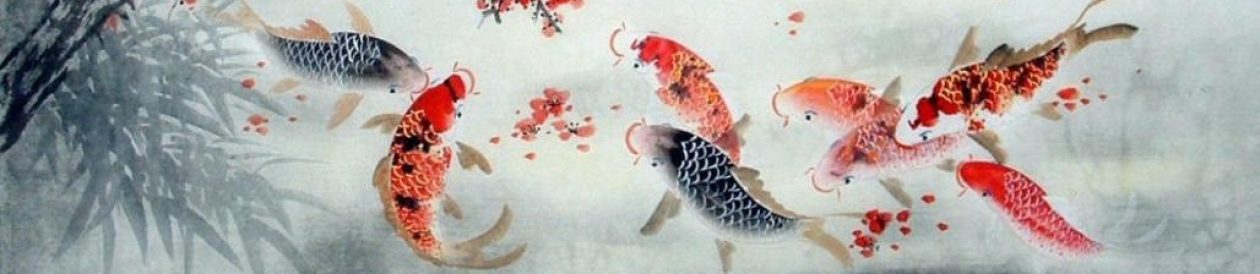
Denmark Gives Student $430,000 for Research on Legendary Underground Trolls
Despite the state of Demark’s economy the country’s government has awarded a $430,000 grant for a study that investigates the existence of underground trolls (that’s the mythical kind, for those in doubt).
Recipient Lars Christian Kofoed Rømer, a PhD student and part-time anthropology lecturer at the University of Copenhagen, plans to research ‘actual relationships’ between humans and trolls on the Danish island of Bornholm.
You just could not get away with this these days!
This is such a wonderful picture! The Rolling Stones at the Adelaide Oval preparatory to recommending their Australian tour. Just which geriatrics home have they been let out of for the day?

We are further away in time from Sid Vicious’s 1977 Sex Pistols than they were from the end of World War 2.

More links to interesting articles you may have missed.
Have you ever wondered how glow sticks work? Well wonder no more because here’s the explanation. I love those aromatic dye molecules; they’re similar to the ones I used when I was a post-grad student.
So chemicals are bad then? Well not so much. Five myths about the chemicals.
Want to avoid getting cancer? The Cancer Code provides a 12 point guide to avoiding unnecessary risk.
OK so let’s have something a bit more light-hearted …
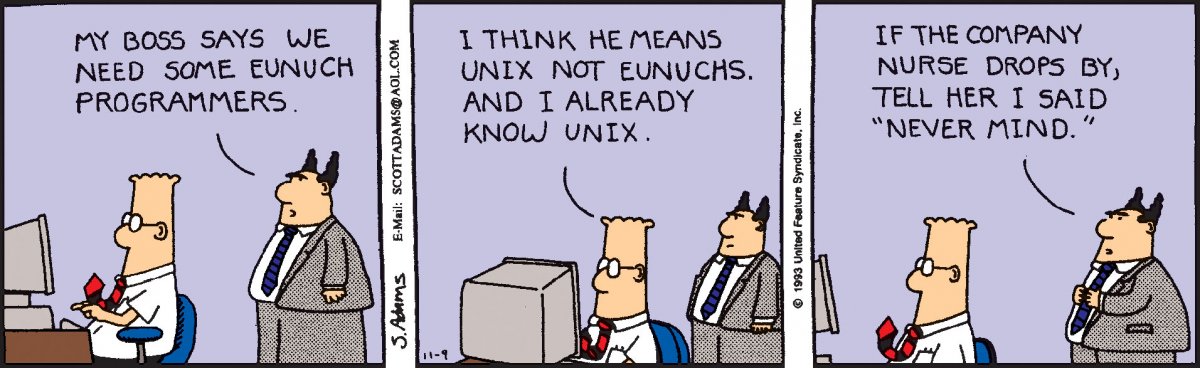
We’ve not had a Dilbert cartoon for a long time, so here’s an old one …
The coffee plant is native to Ethiopia, but the first evidence of coffee beans being turned into a beverage comes from fifteenth-century Yemen. The fashion for this black, bitter drink spread across the Middle East and the Mediterranean, reaching Europe in the late sixteenth century. Although hand-operated spice mills had been in use since the 1400s, coffee beans continued to be ground using the more basic technology of mortar and pestle, or by millstones. Even as late as 1620, when the Pilgrim Fathers sailed for America on the Mayflower, all they brought with them for grinding coffee was an adapted mortar-and-pestle device.
In the 1660s a certain Nicholas Book, ‘living at the Sign of the Frying Pan in St Tulies Street’ in London, publicized himself as the only man known to make mills that could grind coffee to powder, but he was not necessarily the inventor of the machine he manufactured. The first US patent for a coffee grinder was issued in 1798 to Thomas Bruff of Maryland, who, when he was not grinding coffee, was Thomas Jefferson’s dentist.
From William Hartston; The Things that Nobody Knows: 501 Mysteries of Life, the Universe and Everything; Atlantic Books; 2011