So here’s episode four (for days 16 to 20) of my 100 day challenge to find words I don’t know. I’m scraping words from https://randomword.com/ and each day picking one that I find interesting and which is in the OED.
Day
Date
Word
Meaning
16
Saturday 16 November
yeanling
A young lamb or kid
17
Sunday 17 November
yatzy
A dice game popular in Scandinavian countries (h/t Greta Thunberg)
18
Monday 18 November
zabernism
misuse of military authority; bullying
19
Tuesday 19 November
peristeronic
of, like, or pertaining to pigeons
20
Wednesday 20 November
bloomery **
The first forge in an iron-works through which the metal passes after having been melted from the ore, and in which it is made into blooms
As promised here’s episode two (covering days 6 to 10) of my latest 100 day challenge to find words I don’t know. I’m scraping words from https://randomword.com/ and each day picking one that I find interesting and which is in the OED.
Day
Date
Word
Meaning
6
Wednesday 6 November
leucomelanous
having dark hair and eyes but fair skin
7
Thursday 7 November
ishan
a prehistoric Iraqi mound
8
Friday 8 November
traject
a place where boats cross a river, strait, or the like; a ferry
9
Saturday 9 November
hyetometrograph
an automatic instrument for registering the amount of rainfall during successive periods
Last Friday, 1 November, I started on a new 100 day challenge which will take us into early February. Each day I have to find a word I don’t know (aka. a new word). Nothing difficult; I don’t have to write a short story using the word or anything like that; I just have to find a word and understand its meaning. Oh and document it!
That last point is where this blog comes in. Every five days – rather than every week so no-one, including me, gets trapped in “it always happens on a Sunday” – I plan to document here the previous five days words. So here we go with the first five words.
Day
Date
Word
Meaning
1
Friday 1 November
xanthopsia
a visual condition where things appear yellow
2
Saturday 2 November
nevosity
the state of being speckled or spotted
3
Sunday 3 November
alphonsin
an instrument used to extract bullets from bodies
4
Monday 4 November
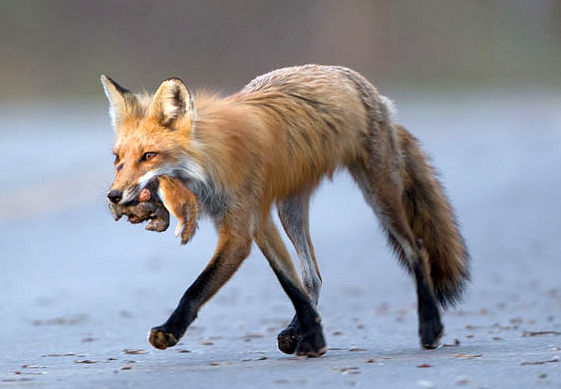
alopecoid **
of, or resembling, a fox
5
Tuesday 5 November
induviae
withered leaves which persist on plants
And in each post I shall asterisk ** my favourite of the words presented.
I’m trawling my words from the seabed using https://randomword.com/ and each day picking one that I find interesting.
At last people are beginning to wake up to what I’ve been saying for many years: we would all be healthier (mentally and physically) if we were OK with talking about body parts, bodily functions and sexuality.
In a Guardian article last week Nicola Heath says Our collective reluctance to say “vagina” shrouds women’s bodies – and their sexuality – in shame. The article goes on to say:
How are women supposed to talk about their health or sexuality if the anatomically correct words used to describe their body parts are taboo?
… … …
A 2015 survey in the UK revealed that 66% of women aged 18 to 24 avoided going to the doctor to talk about gynaecological issues altogether.
… … …
[Doctors] have to spend valuable consultation time trying to get [women] to specify which bit of their genitalia they are [actually] talking about.
… … …
Our unwillingness to correctly label female anatomy contributes to other problems, including a “pleasure gap” that sees men’s sexual needs prioritised over women’s.
… … …
[T]eachers admitted they were willing to say the word “penis” and talk about male masturbation, but none were comfortable talking about vaginas and female pleasure in the same way.
… … …
It’s also essential for kids to know how to talk about their bodies. Sexual health educators argue that teaching children anatomically correct terms for their body parts – genitals included – helps reduce shame and gives them the language they need …
… … …
So, familiarise yourself with the correct terms for the human body’s reproductive bits … After all, knowledge is power.
And actually also because this is in everyone’s interest.
1. Having plagæ, or irregular elongated colour spots.
2. Having a stripe or stripes.
According to the OED the derivation is post-classical Latin use of classical Latin plāga blow, stroke, wound, gash, or a parallel formation, with the first English use being in 1890.
Having a fur or plumage that is soft or fine; fleecy, fluffy, downy.
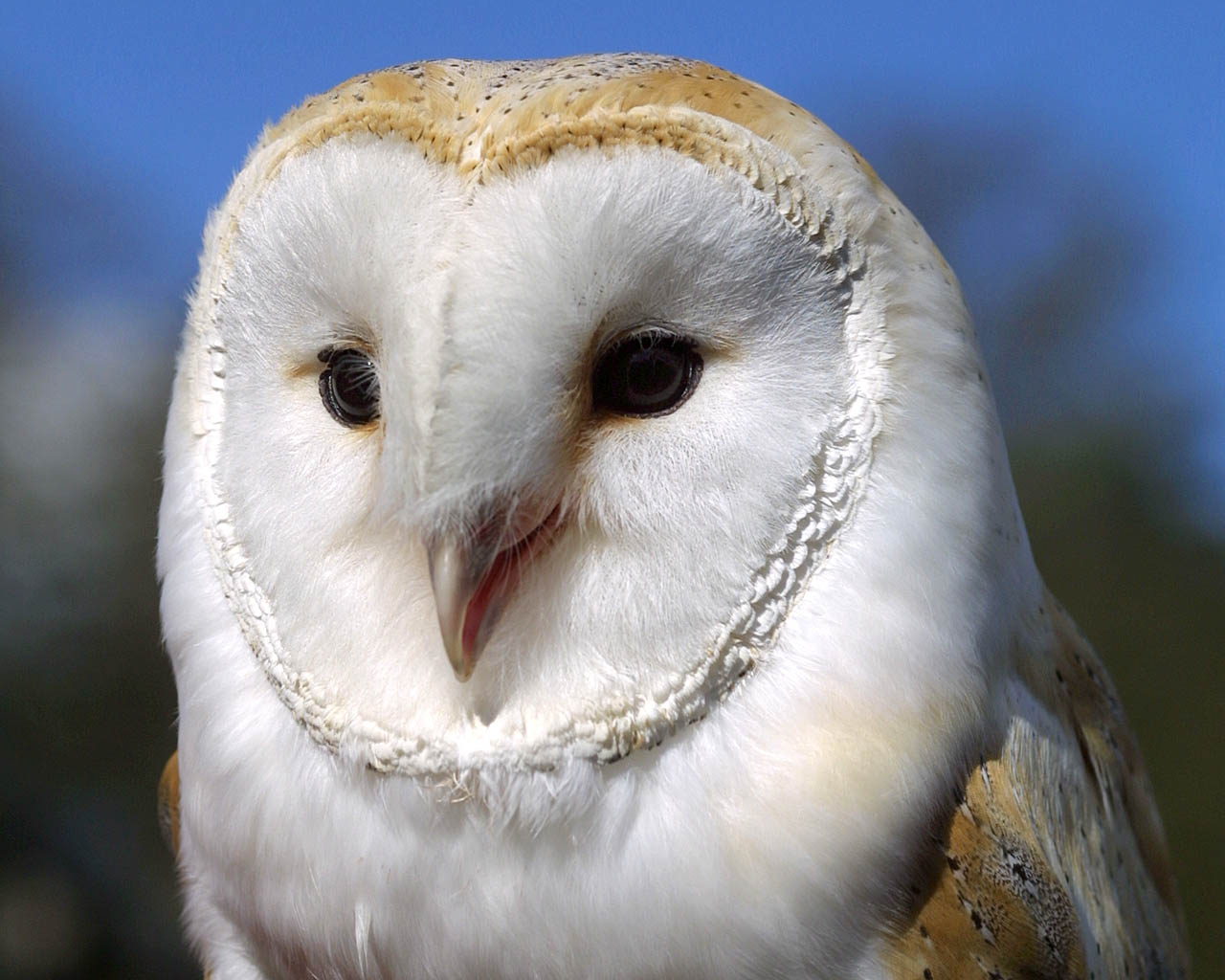
Barn Owl (Tyto alba). If you’ve ever met a Barn Owl up close
you’ll understand why I choose this to illustrate mollipilose: their feathers are just unbelievably soft,
which is why they are so silent in flight.
A surprisingly late first usage in 1890 which is derived from the Latin mollis, soft + pilus, hair.
The time, or season, for a drink.
That time at the end of a long day when you can finally collapse and raise a glass.
Literally: drinking-time.
The OED says it is obsolete and rare with the first usage recorded in 1582. But what a superb word, which deserves better than being obsolete and rare, because … well, isn’t it always quafftide?
The cultivation of edible plants, especially leafy vegetables and herbs.
The branch of horticulture that specializes in the cultivation of edible plants.
The word is a Latin derivative, recorded by the OED as first used in 1886.
Eccentric looks at life through the thoughts of a retired working thinker