Another round of pointers to articles you probably missed the first time …
According to Dan Vergano at BuzzFeed Mars Missions Are A Scam, as I have always suspected. He lays out the opinions of many scientists that, despite claims by NASA and various private outfits, we have neither the know-how nor the funding to send people to the Red Planet.
Also on things celestial, did you know that Earth has a second moon, with a crazy orbit, and that we didn’t know about it until recently.
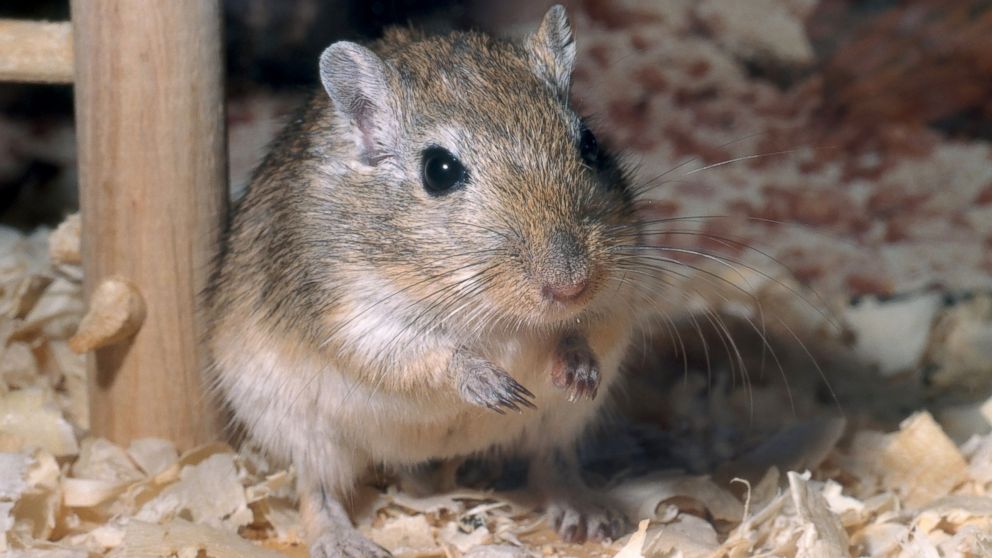
There’s a new theory that it was cute little gerbils and not nasty rats which were to blame for spreading bubonic plague. Yeah right. Maybe in Asia, but we don’t have indigenous gerbils in Europe. [Why is it that rats are nasty and dirty unless they’re gerbils or squirrels?]
How self-aware are animals? Well certainly Asian elephants, magpies and great apes are among the species that can self-recognize. But what do animals see in the mirror?
And then we have to ask whether what they see is blue, because there is another theory that no-one could see the colour blue until modern times. It is a theory which I don’t entirely buy … we must have been able to see blue but we may not have decided what to call it.
And here’s another curiosity about sight … It appears that we have fibre optic cables in our eyes which act to separate different colours of light and direct the colours to the correct cones. But it implies that, contrary to what I had been led to believe, we have only red and green sensitive cones and it is the rods which are blue sensitive.
DON’T PANIC but right now you are breathing a potentially dangerous substance: AIR. Maybe you don’t want to know what floats around in this essential ingredient of life but there are guys who make it their job to find out. [Long read]
Still on human biology, here’s a troubled history of the foreskin — albeit a US-centric history. Curious irony: Americans will campaign vigorously against FGM and yet they routinely circumcise their own male children; somehow this does not compute! [Another long read]
So girls, your turn: there is nothing wrong with your sex drive. Sex educator Emily Nagoski writes an op-ed in the New York Times. Oh and I’m reading her new book Come as You Are: The Surprising New Science That Will Transform Your Sex Life on which her op-ed is based; it’s well written and very interesting.
So why is it that the menstruation taboo just will not go away?
It isn’t as great a step to this next item as one might think … What’s it like to have a form of synaesthesia in which you taste words. Pretty horrible when they taste of ordure.
And here’s another curiosity … it seems that after we shake hands with someone of the same sex we surreptitiously smell the palm of our right hand, presumably for scent markers. But we don’t do it if we shake hands with someone of the opposite sex. Guess it has to be more dignified than dogs smelling each other’s bums.
It seems that Lewis Carroll’s two Alice in Wonderland books reveal some interesting facets of the brain.
Gerardus Mercator was the 16th century cartographer who came up with the projection we mostly still use for mapping the globe onto a sheet of paper. Where it falls down is that it distorts the relative sizes of countries, making those nearer the poles appear larger than they should. There are other projections, of course, but because they are all a 2D mapping of a 3D object all will have distortions somewhere.
From maps to languages … the latest research suggests that Indo-European languages originated about 6000 years ago in the Russian grasslands.
And still on words, here’s a fascinating Guardian piece by Robert Macfarlane on rewilding our language of landscape. [Long read]
And finally here’s a review of Ruth Scurr’s new biography of John Aubrey. Her approach of writing the biography as a sort of diary in Aubrey’s own words is a very interesting approach — I’m reading the book and so far it is a method which works.

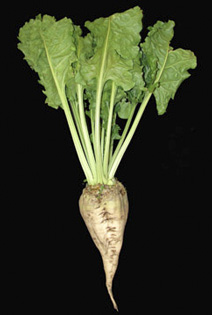 Haemoglobin is best known as red blood cells’ superstar protein — carrying oxygen and other gases on the erythrocytes as they zip throughout the bodies of nearly all vertebrates. Less well known is its presence in vegetables, including the sugar beet … In fact, many land plants — from barley to tomatoes — contain the protein … Scientists first discovered them in the bright-red nodules of soybean roots in 1939 but have yet to determine the proteins’ role in plants in most cases … Plant haemoglobins might … serve as a blood substitute for humans someday … Or they could be exploited to trick our senses … as an ingredient in veggie burgers to make them taste more like bloody steaks.

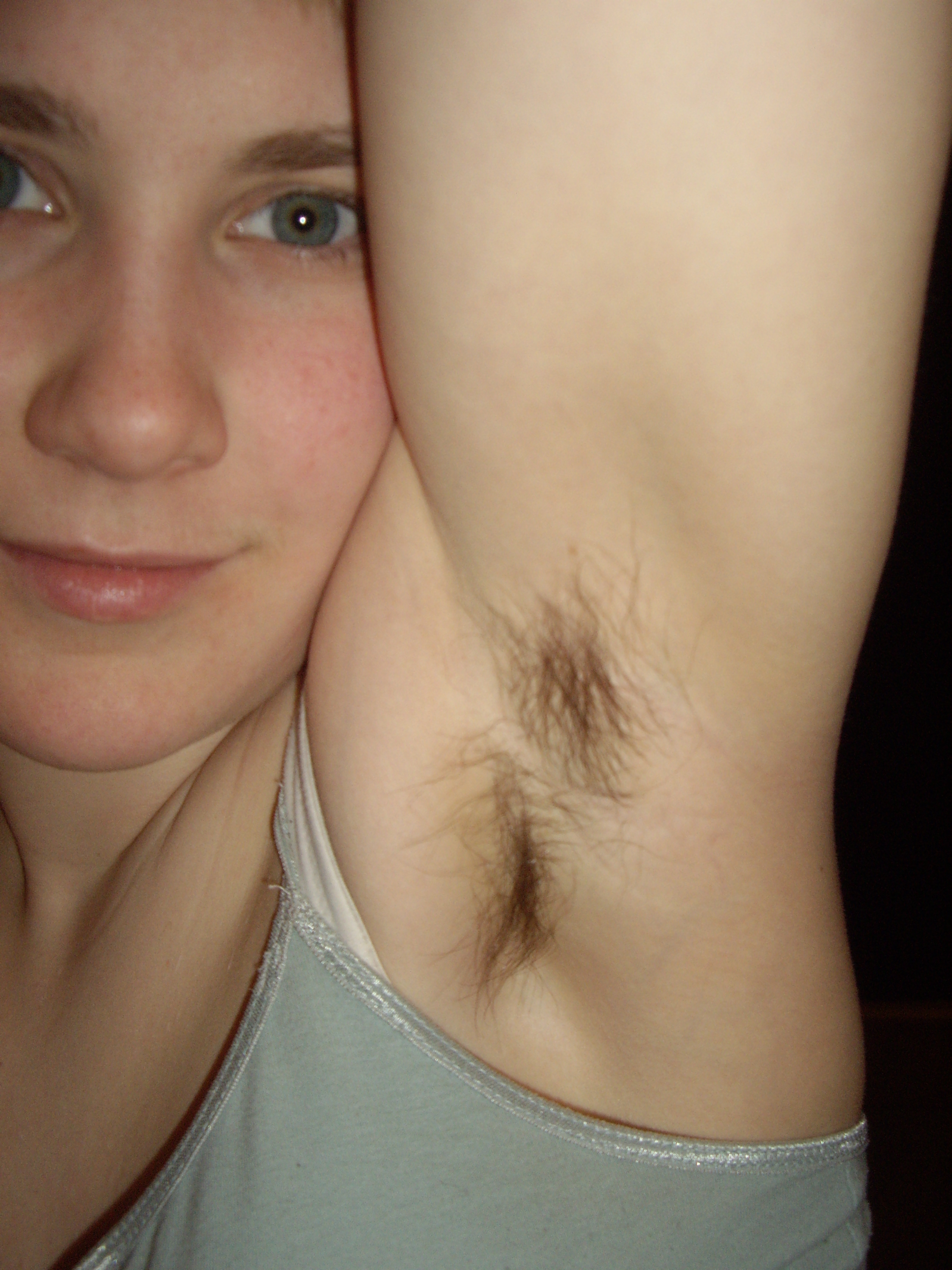 Scientists have discovered that a gene called ABCC11 determines whether people produced wet or dry earwax. What is even more curious is that people who produce the “dry” version of earwax also lack a chemical in their armpits that bacteria feed on to cause underarm odour. And it seems that this gene is the single determinant of whether you do produce underarm odour or not.