More links to items of interest which you may have missed. Quite a science based set this time, although again none of it too deep that non-scientists will get totally lost!
To start off this holiday season, what causes the scent of the sea? And no, it isn’t ozone as everyone believes!

Quickly followed by a quick look at the chemistry of insect repellents.
From insect pests to bacterial pests … A new study suggests that culling badgers is going to have next to no effect on bovine TB and the only way to constrain it is with mass culls of cattle. Sadly there’s probably zero chance the politicians will listen.
Following on from which George Monbiot is (quite rightly) scathing about the way the government is attempting to prevent the reintroduction of wildlife to the UK by using the Infrastructure Bill currently before parliament.
And here’s a piece on how we need to change the way we produce food if we are to be able to feed the ever increasing world population. Basically the whole global food narrative has to change because the current one, even with known tweaks, won’t work!
While we’re on food, here is a piece debunking ten common claims about genetically-modified crops. Yes, I understand the science, but I’m still not entirely comfortable with GMOs.
More food … This time it’s cheese, and a look at the work going on to understand the complex web of bacteria and fungi which turn milk into different types of cheese.
An important article looking at how we have to understand the statistical basis for evaluating actions (medical, social etc.). We have to measure their effectiveness against the background expected death rate (say), rather than against zero deaths.
[Trigger warning, especially for those who may have had miscarriages etc.]
Now let’s slide quietly into the medical arena with a look at the human placenta and the work that is going on to really understand it’s complexity and involvement in gestational and neonatal problems.
Here’s another important piece by the ever-excellent Prof Alice Roberts on how some hormonal contraceptives might be making PMS worse. And apparently this is something many women and lots of GPs do not understand well enough.
Here are twenty things you didn’t know about teeth.
And still on things medical, an interesting article by Carl Zimmer on the mysteries surrounding human blood groups and why we have them.
Now how’s this for a piece of lateral thinking? … A team of scientists are working on a system to use bubble wrap for conducting cheap blood and bacterial tests out in the field, away from the pathology lab, and where cost is a major issue.
The modern bathroom is a wasteful and unhealthy design. But it seems to stay that way because it is space efficient.
So at last we slide into psychology with an article on why the much hated Myers-Briggs test of personality types is totally meaningless.
I don’t pretend to understand Islam, so I found this infographic on the relationship between the various Islamic Sects very illuminating. Now will someone please do the same for Christianity and Buddhism.
And finally … A group of physicists and mathematicians are using mathematical tools to look at the complex social relations in the Icelandic Sagas (as well as other texts) and finding new things that literature specialists haven’t been able to unravel.


 This is the crux of the matter.
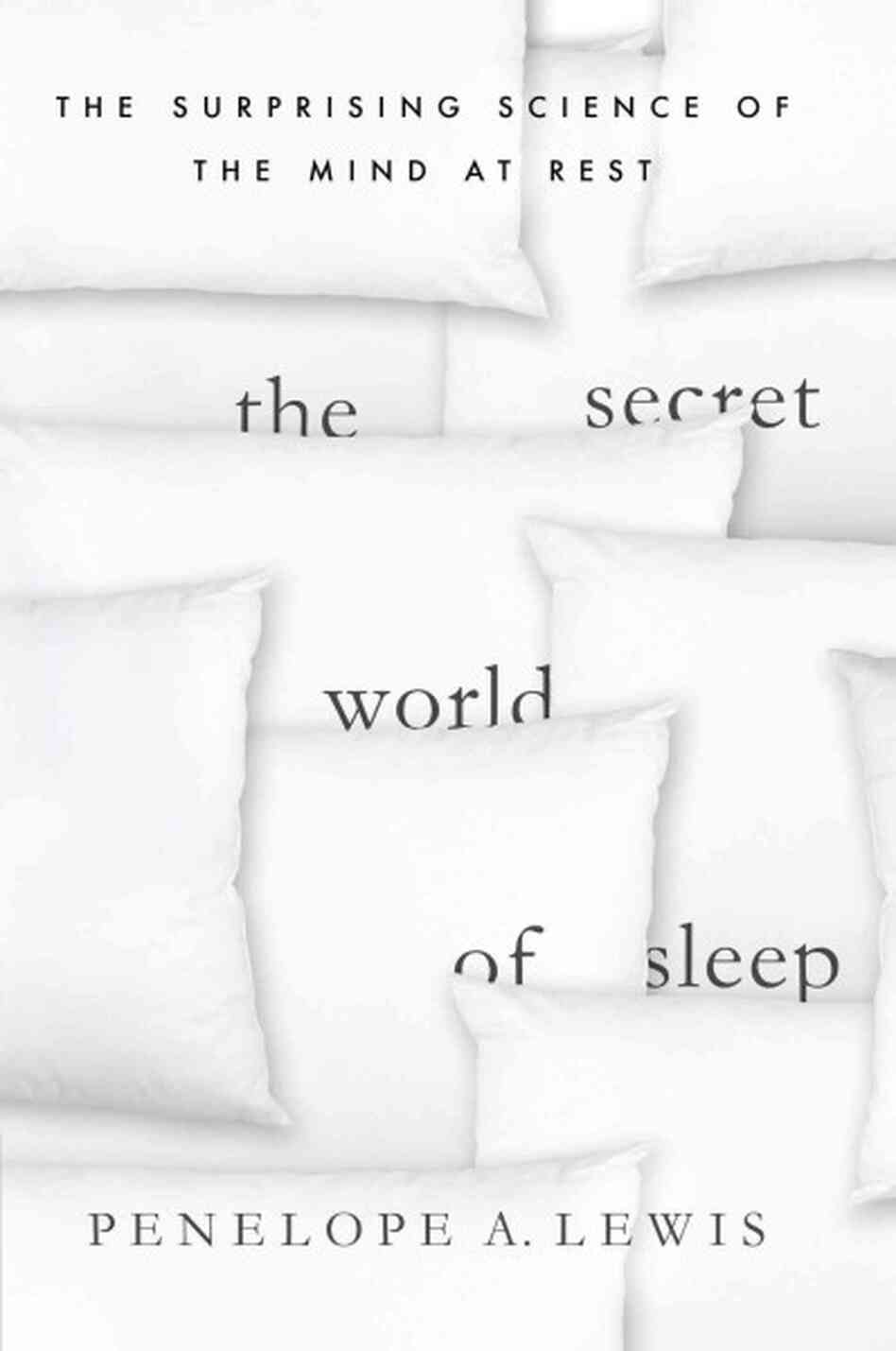 Yes, OK, I guess it does do all of that and at a level which is likely OK for the intelligent layman. But as a scientist I found it somewhat lacking, or maybe more correctly it felt loose, in the details. I don’t profess to be very knowledgeable about the neurology of sleep, but I had the feeling that there was more there which is known and which would tie everything together. I may be wrong, and in fairness to Lewis she does say at a number of points “we don’t know how this works”.