An Advent Calendar of Notable Scientists
Carl Linnaeus
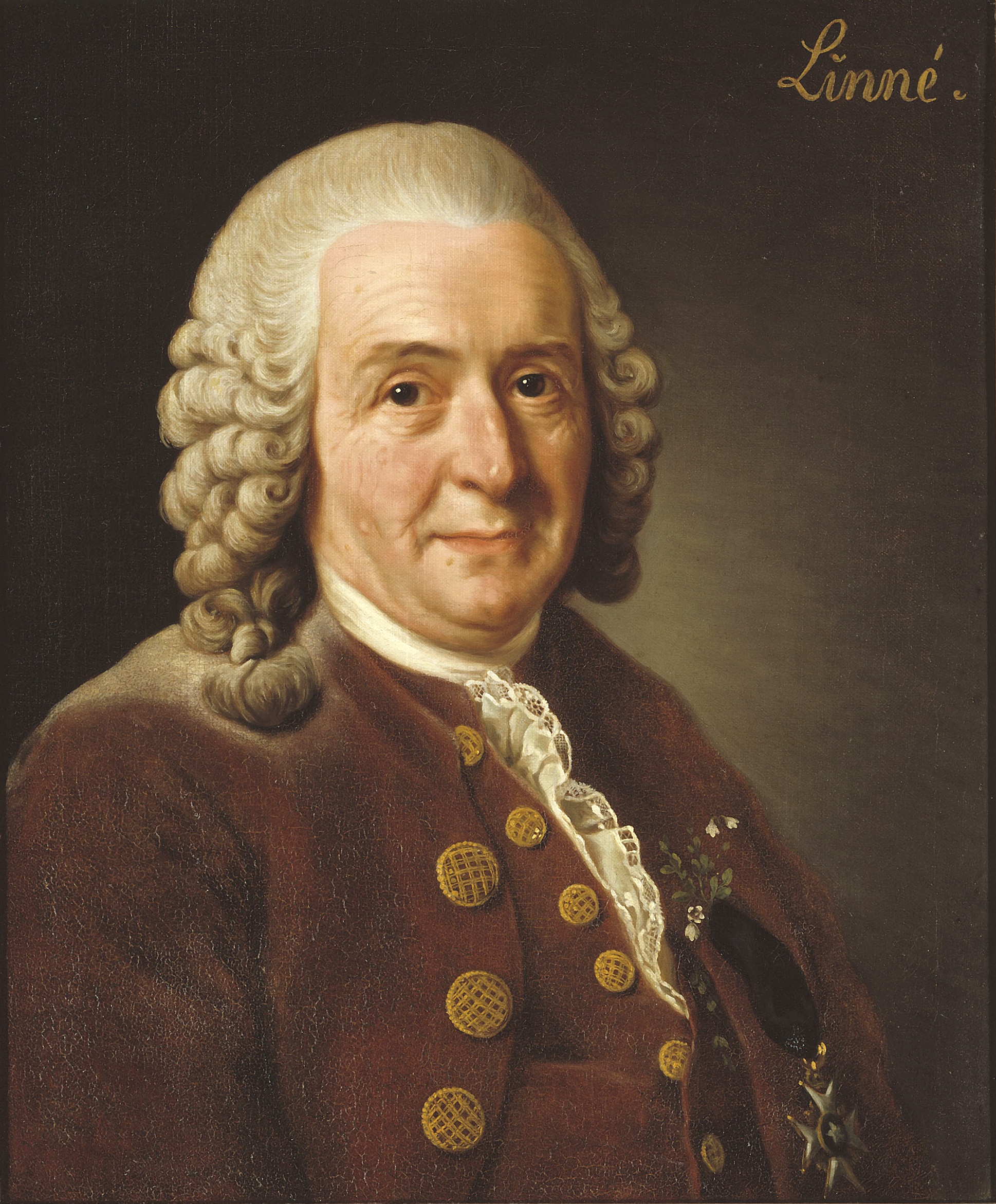
Image from Wikipedia
Swedish botanist, zoologist, and physician who formalised binomial nomenclature, the modern system of naming organisms. He is known as the “father of modern taxonomy”.

Swedish botanist, zoologist, and physician who formalised binomial nomenclature, the modern system of naming organisms. He is known as the “father of modern taxonomy”.
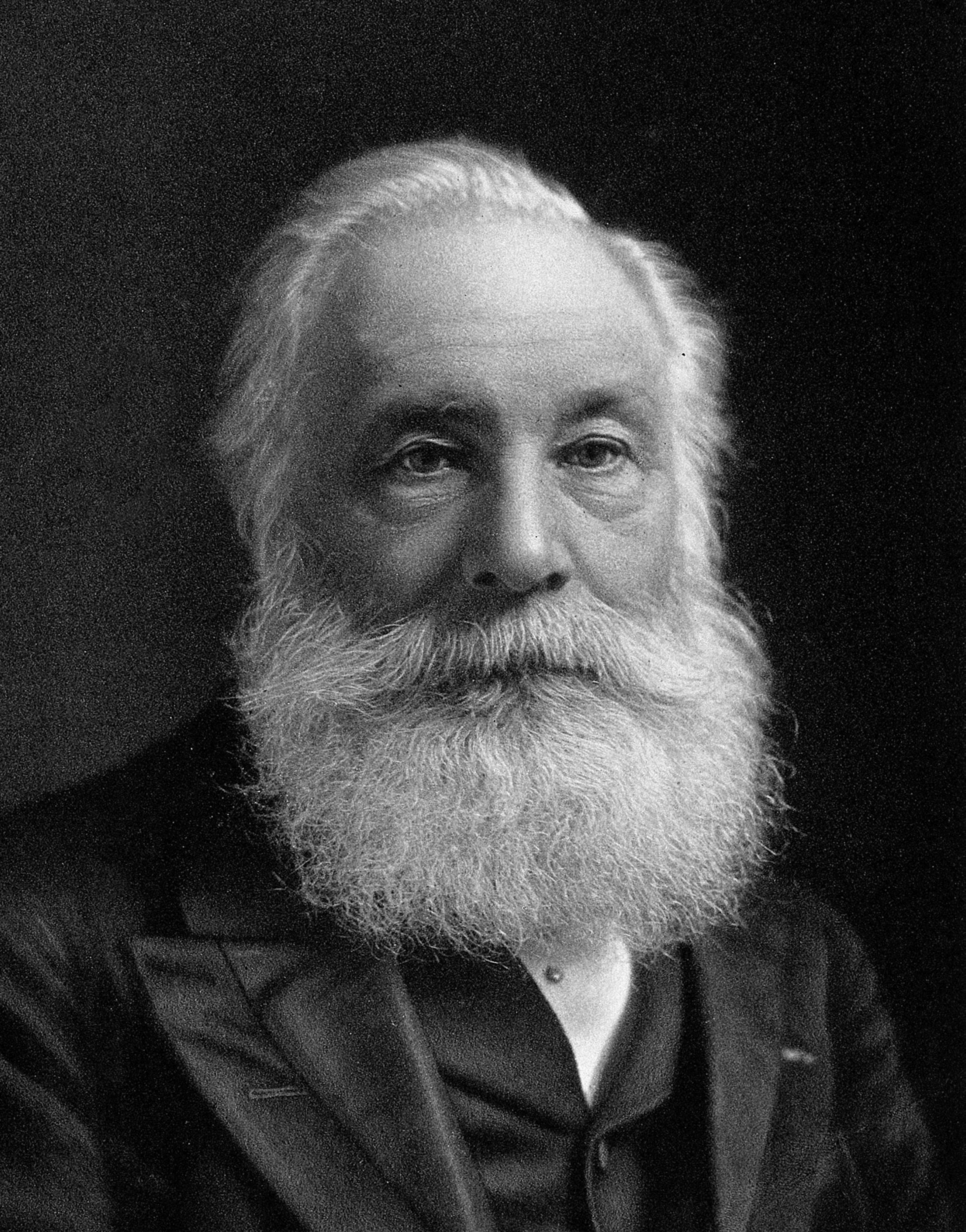
British chemist and entrepreneur best known for his serendipitous discovery of the first synthetic organic dye, mauveine, made from aniline. Though he failed in trying to synthesise quinine for the treatment of malaria, he became successful in the field of dyes.

English naturalist, geologist and biologist, best known for his contributions to the science of evolution. His proposition that all species of life have descended over time from common ancestors is now widely accepted, and considered a foundational concept in science. With Alfred Russel Wallace, he introduced the idea that the branching pattern of evolution resulted from the process of natural selection.
Episode seven (for days 31 to 35) of my 100 day challenge to find words I don’t know. I’m scraping words from https://randomword.com/ and each day picking one that I find interesting and which is also in the OED.
| Day | Date | Word | Meaning |
| 31 | Sunday 1 December | pourpointerie ** | Quilted material with studs at the seams, worn in the Middle Ages as armour |
| 32 | Monday 2 December | pongee | A soft, usually unbleached kind of Chinese silk fabric, woven from uneven threads of raw silk |
| 33 | Tuesday 3 December | scoliograptic | Marked by oblique lines |
| 34 | Wednesday 4 December | zenana | The system of segregating women away from men in harems |
| 35 | Thursday 5 December | selliform | Saddle-shaped |
** My favourite of the words presented.
Next episode in a few days!

Prominent German polymath and one of the most important logicians, mathematicians and natural philosophers of the Enlightenment. As a representative of the seventeenth-century tradition of rationalism, Leibniz’s most prominent accomplishment was conceiving the ideas of differential and integral calculus, independently of Isaac Newton.
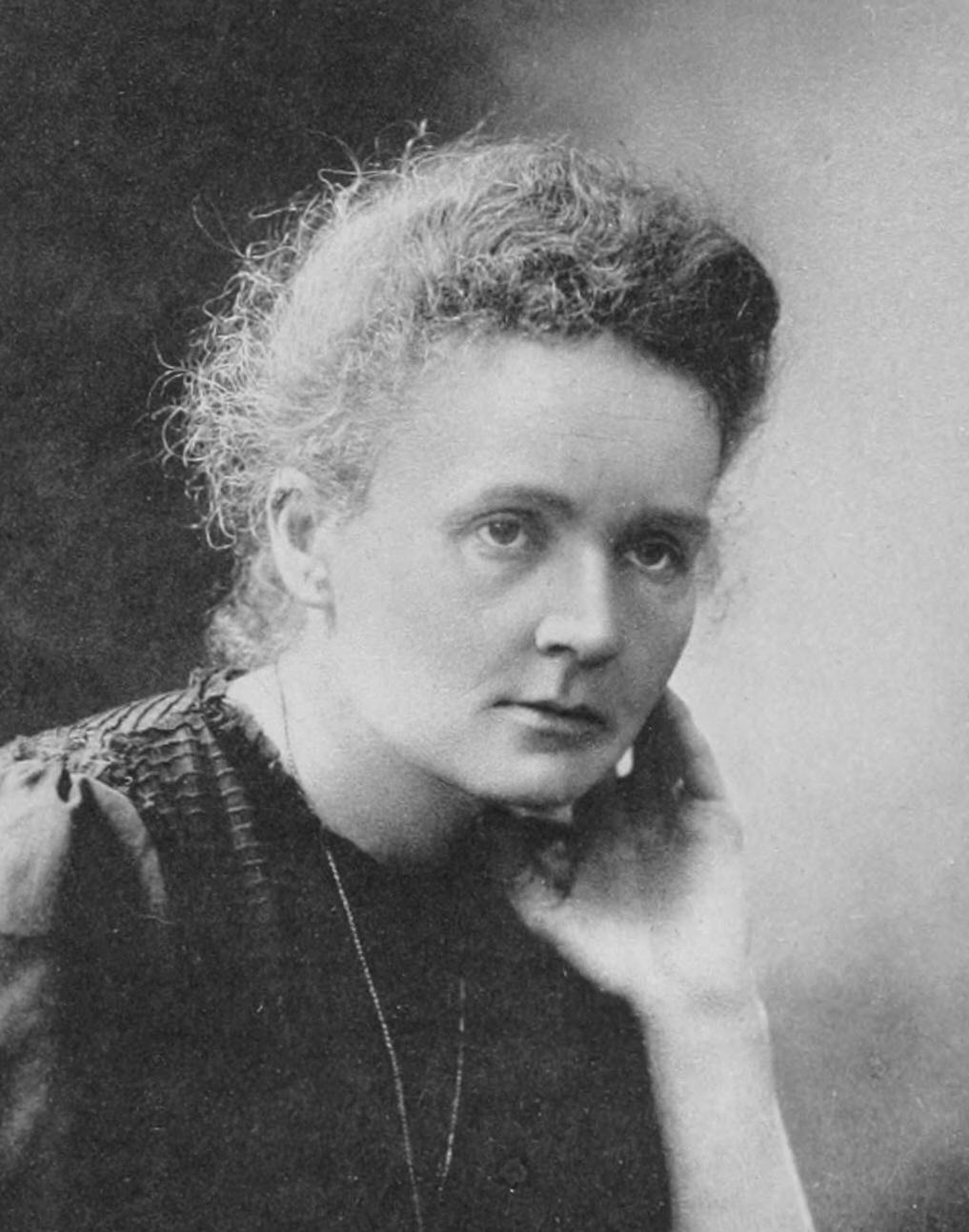
Polish (naturalized-French) physicist and chemist who conducted pioneering research on radioactivity. She was the first woman to win a Nobel Prize, is the only woman to win the Nobel prize twice, and is the only person to win the Nobel Prize in two different scientific fields.
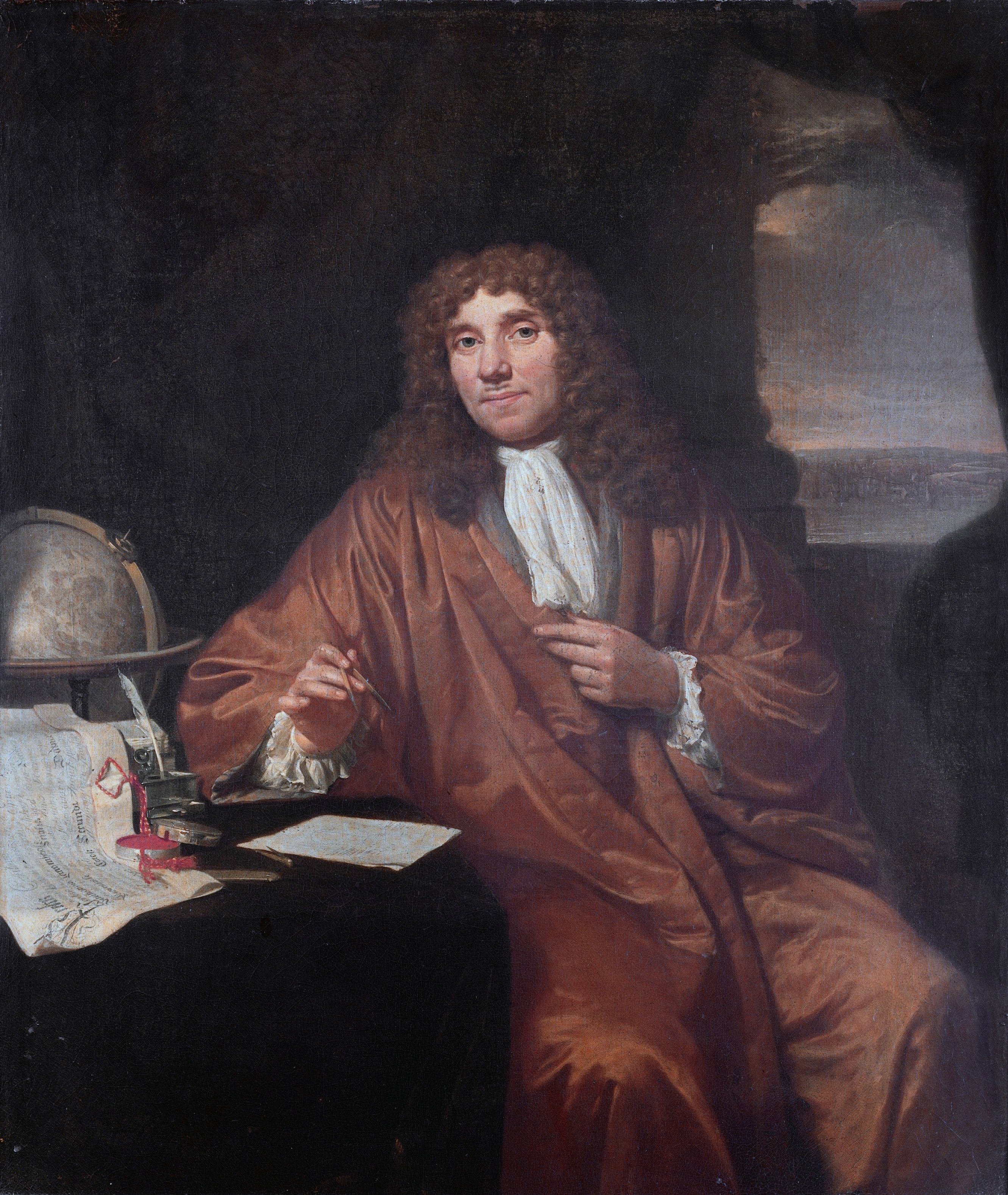
A Dutch businessman and scientist. Largely self-taught in science, he is commonly known as “the Father of Microbiology”, and one of the first microscopists and microbiologists.
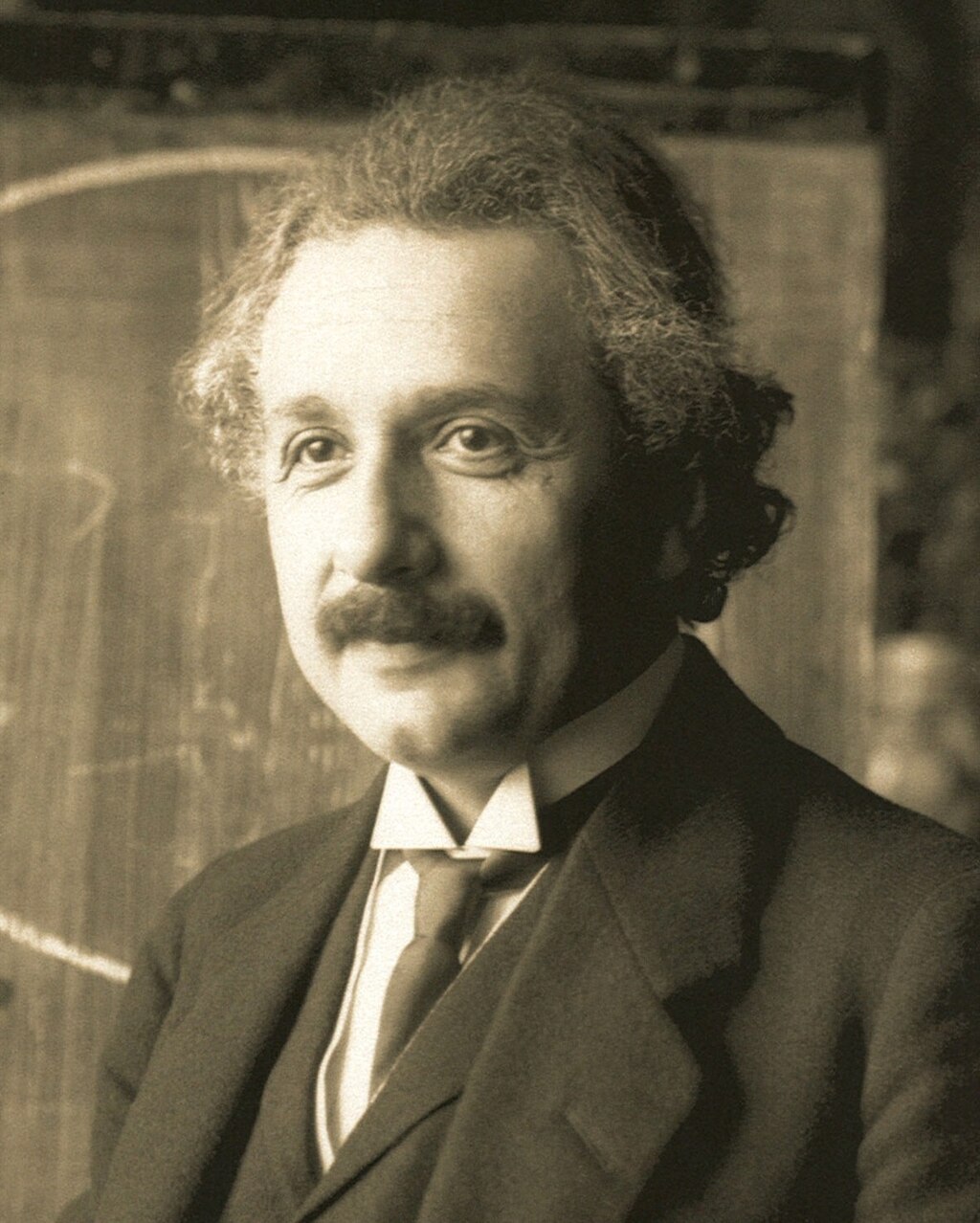
Theoretical physicist who developed the theory of relativity, one of the two pillars of modern physics (alongside quantum mechanics).
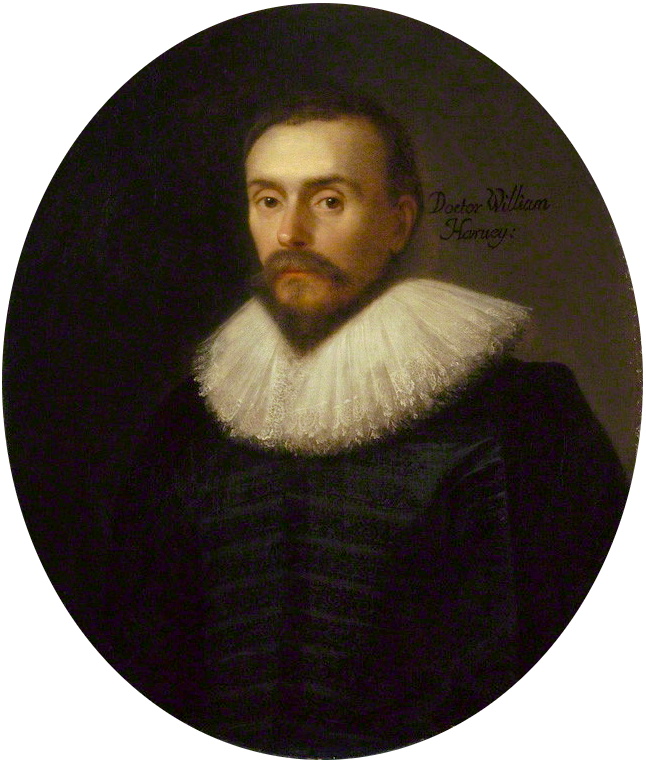
English physician who made seminal contributions in anatomy and physiology. He was the first known physician to describe completely, and in detail, the circulatory system and properties of blood being pumped to the brain and body by the heart.
Each month this year we’re bringing you a post under the general title “Things that Count in [Number]” where [Number] will be the month. And naturally each month’s post will contain the [Number] of items (so just one for January, up to 12 for December).
For our purposes the definition of counting includes things which either come in groups of [Number] (eg. four suits in a pack of playing cards) or things which count in [Number] (eg. decimal coinage counting in tens).

Things which Count in Twelve …