Can’t resist sharing this one …
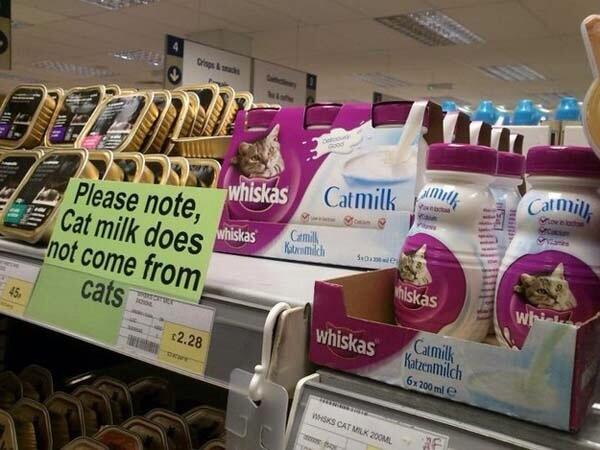
Can’t resist sharing this one …
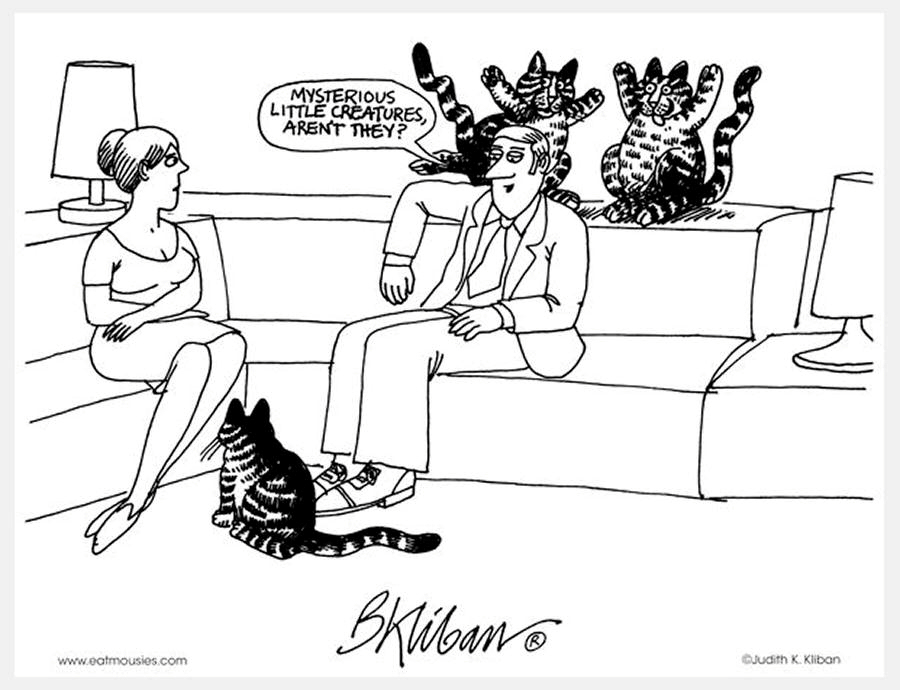
A few days ago I came across this most excellent news cutting from the South African Star, 7 May 2013 …
I happened upon this earlier in the week …
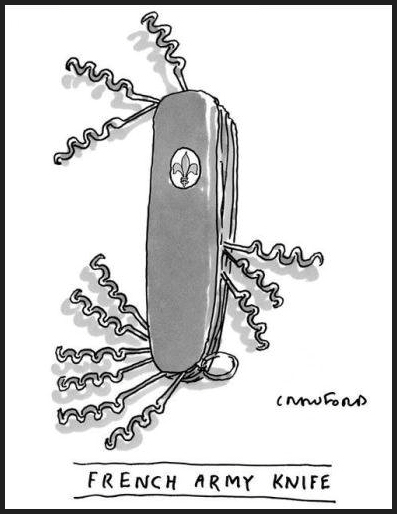

No, Phallic Rock isn’t a new modern music style nor a variety of the traditional British seaside candy stick — though it ought to be both — but this …

Celery [traditionally an aphrodisiac] sends mixed messages. The ancient Greeks associated it with death: tombs were trimmed with it, and the dismal classical catchphrase “He now has need of nothing but celery” meant that some unfortunate Greek was about to kick the bucket.
From “Sex and the Celery: Ancient Greeks Get Busy With Help From Veggies” at http://theplate.nationalgeographic.com/2014/05/20/sex-celery-ancient-greeks-get-busy-help-veggie/
Yet another selection of the weird and wonderful from the catalogue of our local auction house. Nothing really outrageous this time; no mounted walrus heads; cranberry glass figurines of Hitler; stuffed guinea pigs. Just a collection of oddities put together and called a lot.
A still life of a loaf of brad (sic) with cheese and a bottle of beer, oil on canvas, gilt frame
A Dunhill cigar cutter, a Dunhill white metal lighter and a small erotic carving
3 miniature books, a small collection of miniature porcelain gnomes, and a silver-mounted perfume flask
A spring-loaded bone-handled corkscrew inscribed ‘BK&C’, a pair of old field glasses, a boxed pair of Nikon binoculars, a pair of opera glasses, magnifying glasses, and an unusual small candle holder, being held up by a frog on top of a tortoise
A late Victorian ornate silver bachelor milk jug and sugar basin, Birmingham 1896
How do you sex a milk jug, let alone determine its marital status?
A large quantity of miniature souvenir cheese dishes with covers including Margate, Ipswich, Alfriston, Bath, Lincoln, etc.
A White Star Line plate, a quantity of Wedgwood Bournvita cups, plates and coffee pot, a small quantity of commemorative ware including the coronation of 1937 George VI, a small quantity of souvenir ware including Walton-on-the-Naze and Northampton, a Victorian bisque nodding mandarin, a bisque figurine of a girl, etc.
Seven Wade Nat-West piggy banks including two Fathers, a Mother, Baby and three different children.
Clearly a very modern family indeed.
A good quantity of tribal art including masks, crocodile figurine, backbone necklace, carved hardwood bellows, pipes, African wall mask styled as an elephant and decorated with feathers, plus other interesting objects.
A boxed set of six Babycham glasses, a Wedgwood green jasperware box, a Wade dish entitled Wagon Train, a Belleek heart-shaped trinket box and cover, three boxed key rings, four Time-for-Tea boxed miniature collectable teapots, a horn, a figurine of an angel with Jesus, a figurine of a lady, a set of knife rests, three blackbird pie funnels, a quantity of small animal figurines including a Goebels rabbit, a Russian blue and white alligator, and other blue and white Russian figurines including two children on a wolf, a potter, eskimo, ladies, etc., a small quantity of thimbles, a quantity of souvenir ware including a clog advertising Guildford and a pig advertising Hove, a Coalport figurine of an owl and another of a snail, an Avon black cat perfume bottle, a Portmeirion white glazed jug, a Herend dish decorated with flowers, a Russian ceramic bear, a white glazed Naples figurine of a cherub playing a flute, three David Winter cottages, and other collectable items.
… interesting items including Victorian Frister & Rossman sewing machine, a leather briefcase, a Bush radio, Smiths mantel clock, three Oriental embroidered pictures of birds, Old Foley jar and cover, a large wash jug decorated with roses, copper jug and cover, three silver plated jugs, plus other interesting china items including wall plates, jugs, etc.
A quantity of fishing equipment incl. seat, nets, rucksack and fishing rods in a blue carry-all container and a pair of curtains
Two boxes of interesting artefacts incl. an old Oriental metal bell decorated with dragons and masks, a Dinky toy Ensign glass airliner model plane, old brass animal collar, a pair of heavy metal ankle bracelets, old metal pipe, replica pistol, snake candlestick, heavy Oriental brass vase, two heavy metal African figures, a pewter tankard, and a large metal tankard
Two Tanzanian Nyamwezi water divining wooden staffs of figural form, male and female
A huge collection of 75rpm (sic) and LP records
and again …
A collection of LPs, 45s and 75s, (sic) some of which date back to the 60s
A quantity of camping equipment incl. tents, stoves, kettles, plates, in a metal trunk C219CMC 1944, belt, pen, musical dog figure ‘The Last Shout’, a boxed brake lights, a military box, an old BBC Bakelite broadcasting item no. 2 model with adapters for aerial, earth and phone, an old leather suitcase and a trunk containing a leather case, torches, a quantity of Practical Engineering magazines, and various Machinery magazines, a pair of leather driving gloves, etc.
Three cartons of assorted National hats from around the world
and again …
A collection of national hats from around the world … including SE Asian straw hats and a Native American headdress